Capital Punishment
The Capital Punishment Project works toward the repeal of the death penalty in the United States through strategic litigation, advocacy, public education, and training programs for capital defense teams.
What you need to know
The Latest
-
Fatal Flaws: Revealing the Racial and Religious Gerrymandering of the Capital Jury
-


Statement on Tennessee’s Torturous Execution Attempt of Tony Carruthers
-
ACLU Urges Supreme Court to Stop Tennessee’s Wrongful Execution of Tony Carruthers
-
Exonerees, Faith Leaders, and Tennesseans Deliver Petition Urging Governor Lee to Stop the Wrongful Execution of Tony Carruthers
Explore More
What We're Focused On
-

Execution Methods
The ACLU works in courts, legislatures, and communities to defend and preserve the individual rights and liberties that the Constitution and the laws of the United States guarantee everyone in this country.
-
Innocence and the Death Penalty
The ACLU works in courts, legislatures, and communities to defend and preserve the individual rights and liberties that the Constitution and the laws of the United States guarantee everyone in this country.
-
Mental Illness and the Death Penalty
The ACLU works in courts, legislatures, and communities to defend and preserve the individual rights and liberties that the Constitution and the laws of the United States guarantee everyone in this country.
-
Prosecutorial Misconduct and Capital Punishment
The ACLU works in courts, legislatures, and communities to defend and preserve the individual rights and liberties that the Constitution and the laws of the United States guarantee everyone in this country.
-
Racial Disparities and the Death Penalty
The ACLU works in courts, legislatures, and communities to defend and preserve the individual rights and liberties that the Constitution and the laws of the United States guarantee everyone in this country.
What's at Stake
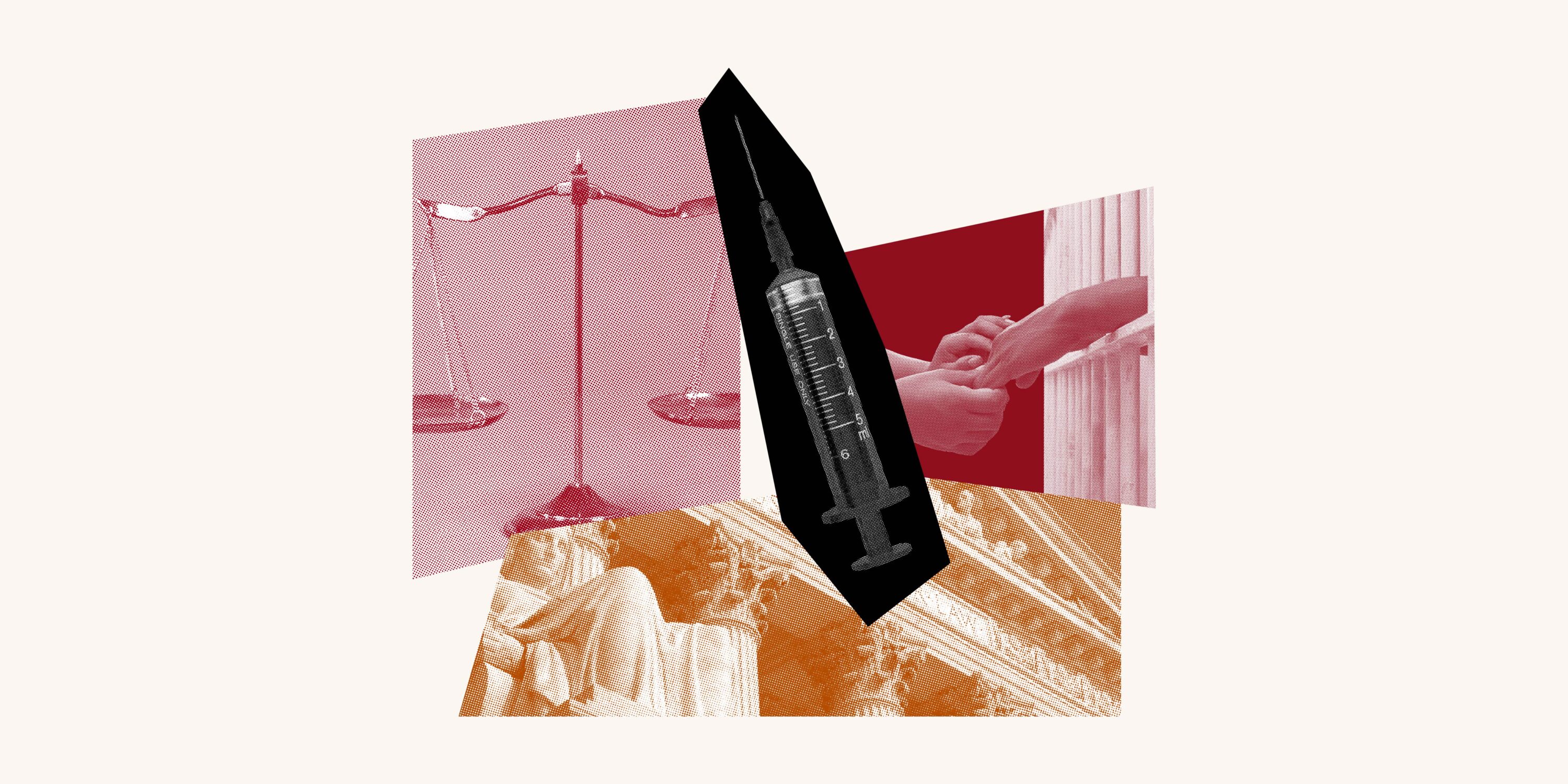
The death penalty in America is a broken process from start to finish. Death sentences are predicted not by the heinousness of the crime but by the poor quality of the defense lawyers, the race of the accused or the victim, and the county and state in which the crime occurred. From 1976 to 2015, 1,392 executions occurred in the United States, and 995 of them took place in the South. Time and time again, we have proven that the criminal justice system fails to protect the innocent and persons with serious mental disabilities and illnesses from execution. Even the administration of executions is utterly flawed: Every method of execution comes with an intolerably high risk of extreme pain and torture.
Public support for the death penalty is falling; the numbers of new death sentences and executions are both rapidly decreasing. The time has come for America to end this failed experiment.
The death penalty in America is a broken process from start to finish. Death sentences are predicted not by the heinousness of the crime but by the poor quality of the defense lawyers, the race of the accused or the victim, and the county and state in which the crime occurred. From 1976 to 2015, 1,392 executions occurred in the United States, and 995 of them took place in the South. Time and time again, we have proven that the criminal justice system fails to protect the innocent and persons with serious mental disabilities and illnesses from execution. Even the administration of executions is utterly flawed: Every method of execution comes with an intolerably high risk of extreme pain and torture.
Public support for the death penalty is falling; the numbers of new death sentences and executions are both rapidly decreasing. The time has come for America to end this failed experiment.