Cell Phones & Smartphones

Apple’s Persistent Device ID is a Threat to Privacy

By Chris Soghoian, Principal Technologist and Senior Policy Analyst, ACLU Speech, Privacy and Technology Project at 7:14pm

Today, a group known as Antisec released a collection of one million UDIDs—serial numbers associated with Apple mobile devices, such as iPhones and iPads—which they claim came from a trove of 12 million UDIDs pilfered from an FBI agent’s laptop.

The FBI has issued a statement denying that an agency device was compromised or that “the FBI either sought or obtained the information.” Clearly, there are a lot of open questions, and few solid facts relating to this alleged breach.

Keeping the Government Out of Your Smartphone

By Chris Soghoian, Principal Technologist and Senior Policy Analyst, ACLU Speech, Privacy and Technology Project at 11:48am

Smartphones can be a cop's best friend. They are packed with private information like emails, text messages, photos, and calling history. Unsurprisingly, law enforcement agencies now routinely seize and search phones. This occurs at traffic stops, during raids of a target's home or office, and during interrogations and stops at the U.S. border. These searches are frequently conducted without any court order.

Several courts around the country have blessed such searches, and so as a practical matter, if the police seize your phone, there isn't much you can do after the fact to keep your data out of their hands.

New Document Sheds Light on Government’s Ability to Search iPhones

By Chris Soghoian, Principal Technologist and Senior Policy Analyst, ACLU Speech, Privacy and Technology Project & Naomi Gilens, ACLU Speech, Privacy and Technology Project at 10:11am

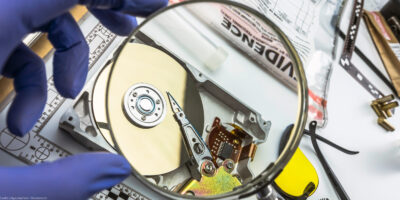
Cell phone searches are a common law enforcement tool, but up until now, the public has largely been in the dark regarding how much sensitive information the government can get with this invasive surveillance technique. A document submitted to court in connection with a drug investigation, which we recently discovered, provides a rare inventory of the types of data that federal agents are able to obtain from a seized iPhone using advanced forensic analysis tools. The list, available here, starkly demonstrates just how invasive cell phone searches are—and why law enforcement should be required to obtain a warrant before conducting them.

If It’s Reasonable in Denver: Lessons in Location Tracking from Colorado

By Allie Bohm, Advocacy & Policy Strategist, ACLU at 12:00am


In April, ACLU of Colorado filed public records requests seeking to learn about their local law enforcement agencies’ policies, procedures, and practices for tracking cell phones, bringing the total count of ACLU-filed cell phone location tracking public records requests to over 400. (We’ve written about what we’ve learned nationwide here, here, here, here, and here, and our findings were featured in a front page story in the New York Times in April). What Colorado learned is particularly interesting because a remarkable number of law enforcement agencies in Colorado are getting probable cause warrants before tracking cell phone location information—Arvada, Boulder, Colorado Springs, Denver, and El Paso County always get warrants in investigative circumstances—and because Denver’s practices pretty much follow existing legislative proposals, proving these bills totally workable.

The President Reads His Daily Brief on an iPad (and Other Lessons From the NSA)

By Jay Stanley, Senior Policy Analyst, ACLU Speech, Privacy and Technology Project at 11:10am

(Updated below)

I was invited to give a talk on surveillance at the Information Security Systems Association (ISSA) Baltimore Chapter yesterday, and the keynote speaker was Dr. John Levine of the NSA. He works on the “information assurance” side of the agency (charged with securing communications rather than breaking them) and had some interesting things to say on the NSA’s work trying to make mobile devices more secure for the military and other government users who need to exchange classified information.

ACLU Asks Appeals Court to Reconsider Cell Phone Tracking Decision

By Catherine Crump, Staff Attorney, ACLU Speech, Privacy and Technology Project at 2:22pm

Yesterday we asked the full Sixth Circuit Court of Appeals to consider the arguments in our amicus brief that it should rehear a case decided by a three-judge panel in a ruling last month that undermined the privacy rights of everyone who carries a cell phone.

In the case, law enforcement agents required Melvin Skinner’s cell phone company to provide them with his GPS coordinates continuously for three days as he drove across the country. The agents did not get a warrant or demonstrate probable cause. Using the data, the agents tracked Skinner down, searched his motor home, and arrested him for his alleged role as a drug courier. On appeal, Skinner argued that the warrantless GPS phone tracking violated his Fourth Amendment rights.

ACLU Files FTC Complaint Over Android Smartphone Security

By Chris Soghoian, Principal Technologist and Senior Policy Analyst, ACLU Speech, Privacy and Technology Project at 9:55am

Yesterday, we filed a complaint with the Federal Trade Commission (FTC) asking the agency to investigate the major wireless carriers for failing to warn their customers about unpatched security flaws in the software running on their phones. These companies—AT&T, Verizon, Sprint and T-Mobile—have sold millions of smartphones to consumers running versions of Google’s Android operating system. Unfortunately, the vast majority of these phones never receive critical software security updates, exposing consumers and their private data to significant cybersecurity-related risks.

New Public Safety Broadband Network: Tool For A Domestic Secret Police?

By Jay Stanley, Senior Policy Analyst, ACLU Speech, Privacy and Technology Project at 6:19pm

Police in Tampa used smartphones and tablets to spy on protesters at the Republican National Convention, according to a report today from the National Journal.

Smartphones have proven to be an excellent tool for empowering individuals faced with sometimes unprofessional or abusive law enforcement officers, thanks to their built-in cameras and the constitutional right to record the police. But they also allow the police, according to the article, to blend in and transmit live video of protesters:

New Results From Our Nationwide Cell Phone Tracking Records Requests

By Allie Bohm, Advocacy & Policy Strategist, ACLU at 2:04pm

It’s been over a year since 35 ACLU affiliates filed over 380 public records requests with state and local law enforcement agencies seeking information about their policies, procedures, and practices for tracking cell phones. And 13 months later (and in the wake of this front page article in the New York Times), we’re still handling responses. We’ve posted the latest batch of documents received on our interactive webmap; here are highlights:

Court Ruling Gives FBI Too Much Leeway on Surveillance Technology

By Linda Lye, Staff Attorney, ACLU of Northern California at 5:09pm

Today, a federal district judge in Arizona issued a very disappointing decision concerning the government’s obligations to be candid with courts about new technologies they are seeking a warrant to use.

The case involves Daniel Rigmaiden, who is being criminally prosecuted for an alleged electronic tax fraud scheme. The government used a surveillance device known as a stingray to locate Mr. Rigmaiden. A stingray operates by simulating a cell tower and tricking all wireless devices on the same network in the immediate vicinity to communicate with it, as though it were the carrier’s cell tower. In order to locate a suspect, a stingray scoops up information not only of the suspect, but all third parties on the same network in the area. This means that when the government uses a stingray to conduct a search, it is searching not only the suspect, but also tens or hundreds of third parties who have nothing to do with the matter. When the FBI sought court permission to use the device to locate Mr. Rigmaiden, it didn’t explain the full reach of stingrays to the court.

The ACLU and the Electronic Frontier Foundation filed an amicus brief arguing that when the government wants to use

Statistics image