Elderly Prisoners
The ACLU works in courts, legislatures, and communities to defend and preserve the individual rights and liberties that the Constitution and the laws of the United States guarantee everyone in this country.

The Latest
-

While Trump Protects His Cronies, Governors can Use That Same Power to Protect the Most Vulnerable
-

New York Prisons: A Human Rights Crisis in Our Own Backyard
-
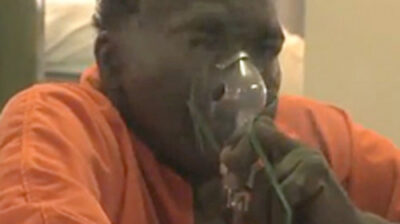
A more Cost-Effective Way to Deal with the Elderly Prisoner Boom
-
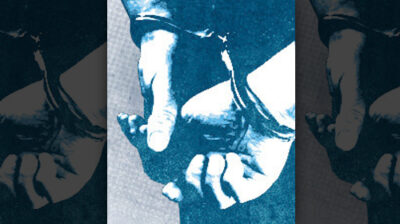
Why Are We Spending So Much To Lock Up Elderly Prisoners Who Pose Little Threat?
Explore More
What's at Stake
Some people behind bars are so frail because of old age or illness that they can barely walk. By 2030, one-third of all incarcerated individuals will be over 55. The recidivism rate of adults over 65 is only 4 percent, yet compassionate release laws are rarely used. We need to rethink the costly practice of keeping these people, who pose little or no risk to public safety, behind bars.
Some people behind bars are so frail because of old age or illness that they can barely walk. By 2030, one-third of all incarcerated individuals will be over 55. The recidivism rate of adults over 65 is only 4 percent, yet compassionate release laws are rarely used. We need to rethink the costly practice of keeping these people, who pose little or no risk to public safety, behind bars.