Racial Profiling
The ACLU’s work on racial profiling encompasses major initiatives in litigation, public education, and advocacy, including lobbying for passage of data collection and anti-profiling legislation and litigating on behalf of individuals who have been victims of racial profiling.
What you need to know
FAQ

The Latest



Explore More
What's at Stake
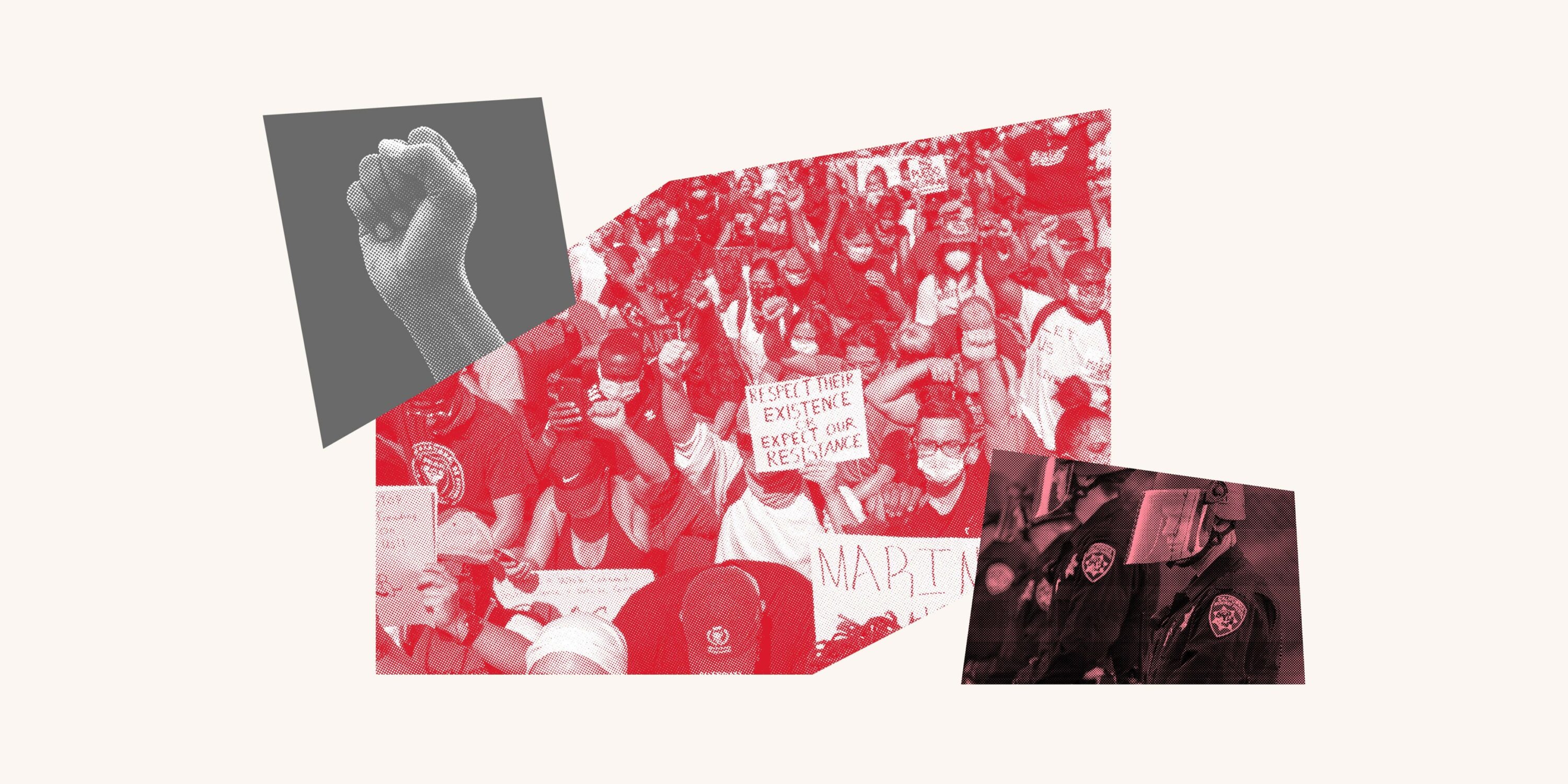
Racial profiling is a longstanding and deeply troubling national problem despite claims that the United States has entered a “post-racial era.” It occurs every day, in cities and towns across the country, when law enforcement and private security target people of color for humiliating and often frightening detentions, interrogations, and searches without evidence of criminal activity and based on perceived race, ethnicity, national origin, or religion. Racial profiling is patently illegal, violating the U.S. Constitution’s core promises of equal protection under the law to all and freedom from unreasonable searches and seizures. Just as importantly, racial profiling is ineffective. It alienates communities from law enforcement, hinders community policing efforts, and causes law enforcement to lose credibility and trust among the people they are sworn to protect and serve.
“National security” has long been used to justify the unconstitutional profiling of, and discrimination against, Muslim, Black, Brown, and other historically marginalized communities. Since September 11, 2001, Arab, Middle Eastern, Muslim, and South Asian communities have been discriminatorily profiled by federal law enforcement, local police, and border officers. We have also seen federal agencies use race, ethnicity, national origin, and/or religious beliefs to profile and target Asian Americans, particularly Chinese American scientists and academics.
The federal government’s encouragement of unprecedented raids on immigrant communities and workplaces by local law enforcement in cooperation with federal agencies has targeted Latine communities in particular. These policies have unjustly expanded the purview of and undermined basic trust in local law enforcement, alienated immigrant communities, and created an atmosphere of fear. Anti-immigrant rhetoric has led to a dramatic increase in hate crimes against and racial profiling of people of color.
The ACLU’s work on racial profiling encompasses major initiatives in litigation, public education, and advocacy, including lobbying for passage of data collection and anti-profiling legislation and litigating on behalf of individuals who have been victims of racial profiling by airlines, police, and government agencies.
Racial profiling is a longstanding and deeply troubling national problem despite claims that the United States has entered a “post-racial era.” It occurs every day, in cities and towns across the country, when law enforcement and private security target people of color for humiliating and often frightening detentions, interrogations, and searches without evidence of criminal activity and based on perceived race, ethnicity, national origin, or religion. Racial profiling is patently illegal, violating the U.S. Constitution’s core promises of equal protection under the law to all and freedom from unreasonable searches and seizures. Just as importantly, racial profiling is ineffective. It alienates communities from law enforcement, hinders community policing efforts, and causes law enforcement to lose credibility and trust among the people they are sworn to protect and serve.
“National security” has long been used to justify the unconstitutional profiling of, and discrimination against, Muslim, Black, Brown, and other historically marginalized communities. Since September 11, 2001, Arab, Middle Eastern, Muslim, and South Asian communities have been discriminatorily profiled by federal law enforcement, local police, and border officers. We have also seen federal agencies use race, ethnicity, national origin, and/or religious beliefs to profile and target Asian Americans, particularly Chinese American scientists and academics.
The federal government’s encouragement of unprecedented raids on immigrant communities and workplaces by local law enforcement in cooperation with federal agencies has targeted Latine communities in particular. These policies have unjustly expanded the purview of and undermined basic trust in local law enforcement, alienated immigrant communities, and created an atmosphere of fear. Anti-immigrant rhetoric has led to a dramatic increase in hate crimes against and racial profiling of people of color.
The ACLU’s work on racial profiling encompasses major initiatives in litigation, public education, and advocacy, including lobbying for passage of data collection and anti-profiling legislation and litigating on behalf of individuals who have been victims of racial profiling by airlines, police, and government agencies.