Treaty Ratification
The ACLU works in courts, legislatures, and communities to defend and preserve the individual rights and liberties that the Constitution and the laws of the United States guarantee everyone in this country.

The Latest
-

ACLU Statement on United Nations Permanent Forum on People of African Descent
-
ACLU Urges Biden Administration to Heed UN Racial Justice Committee Recommendations
-
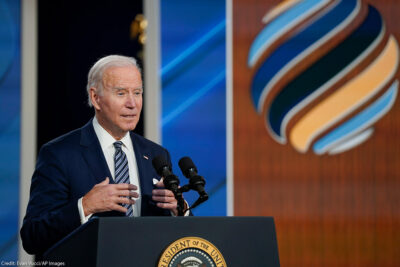
Over a Year After His Election, President Biden’s Human Rights Commitments Fail to Meet the Moment
-
ACLU Urges Biden Administration to Prioritize Human Rights in Domestic Policy Following Uncontested Election to United Nations Human Rights Council
Explore More
What's at Stake
The United States has played a critical role in drafting numerous international treaties and documents on human rights. However, it has ratified or is otherwise bound to only a handful of treaties in their entirety, including the following:
- Convention on the Prevention and Punishment of the Crime of Genocide (Genocide Convention)
- International Covenant on Civil and Political Rights (ICCPR)
- International Convention on the Elimination of All Forms of Racial Discrimination (ICERD)
- Convention against Torture and Other Cruel, Inhuman or Degrading Treatment or Punishment (CAT)
Despite its ostensible position as an international human rights champion, the United States has failed to ratify crucial human rights documents, such as the Convention on the Elimination of All Forms of Discrimination against Women (CEDAW), the Convention on the Rights of the Child (CRC), the Convention on the Rights of Persons with Disabilities (CRPD), and the American Convention on Human Rights, notwithstanding its endorsement of the American Declaration of the Rights and Duties of Man.
Furthermore, the United States has consistently utilized the U.N. treaty mechanism of attaching Reservations, Understandings, and Declarations (RUDs) to its ratifications, which dilutes the effect and enforceability of these universal human rights documents.
Through its domestic and international advocacy work, the ACLU continues to push for full U.S. ratification and compliance with international human rights treaties at all levels of government.
The United States has played a critical role in drafting numerous international treaties and documents on human rights. However, it has ratified or is otherwise bound to only a handful of treaties in their entirety, including the following:
- Convention on the Prevention and Punishment of the Crime of Genocide (Genocide Convention)
- International Covenant on Civil and Political Rights (ICCPR)
- International Convention on the Elimination of All Forms of Racial Discrimination (ICERD)
- Convention against Torture and Other Cruel, Inhuman or Degrading Treatment or Punishment (CAT)
Despite its ostensible position as an international human rights champion, the United States has failed to ratify crucial human rights documents, such as the Convention on the Elimination of All Forms of Discrimination against Women (CEDAW), the Convention on the Rights of the Child (CRC), the Convention on the Rights of Persons with Disabilities (CRPD), and the American Convention on Human Rights, notwithstanding its endorsement of the American Declaration of the Rights and Duties of Man.
Furthermore, the United States has consistently utilized the U.N. treaty mechanism of attaching Reservations, Understandings, and Declarations (RUDs) to its ratifications, which dilutes the effect and enforceability of these universal human rights documents.
Through its domestic and international advocacy work, the ACLU continues to push for full U.S. ratification and compliance with international human rights treaties at all levels of government.