Voting Rights Act: Major Dates in History
A History of the Voting Rights Act
The Voting Rights Act is a historic civil rights law that is meant to ensure that the right to vote is not denied on account of race or color.
1866
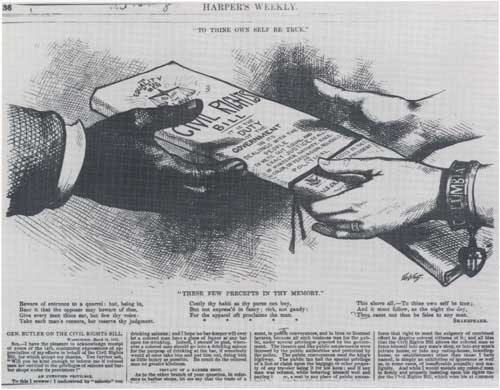
Civil Rights Act of 1866
Civil Rights Act of 1866 grants citizenship, but not the right to vote to all native-born Americans.
1869
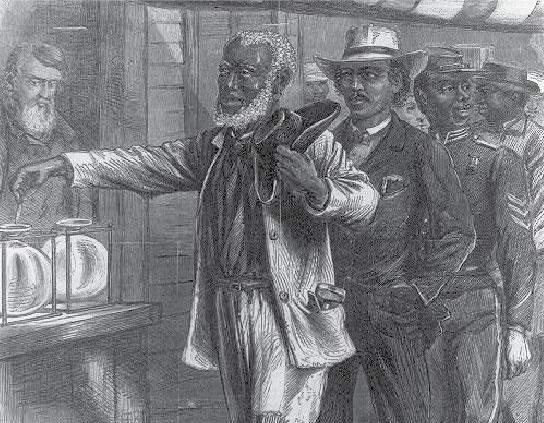
Fifteenth Amendment passes
Congress passes the Fifteenth Amendment, giving African American men the right to vote.
1896
Louisiana's "grandfather clauses"
Louisiana passes "grandfather clauses" to keep former slaves and their descendants from voting. As a result, registered black voters drops from 44.8% in 1896 to 4.0% four years later. Mississippi, South Carolina, Alabama, and Virginia follow Louisiana's lead by enacting their own grandfather clauses.
1940
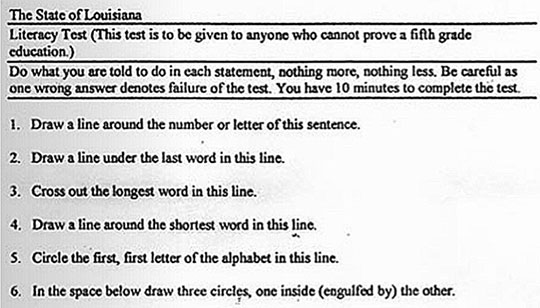
Obstacles to voting
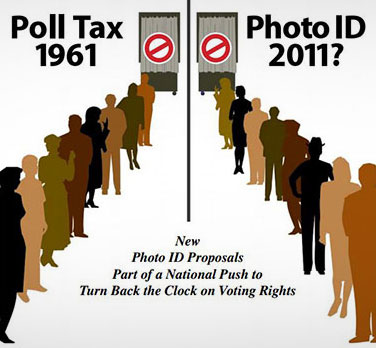
Only 3% of eligible African Americans in the South are registered to vote. Jim Crow laws, like literacy tests and poll taxes, were meant to keep African Americans from voting.
1964
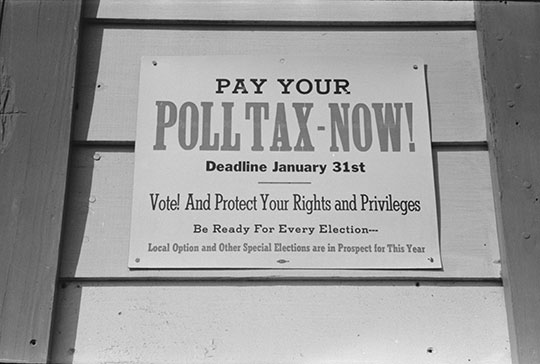
24th Amendment is adopted
Poll taxes are outlawed with the adoption of the 24th Amendment.
1965
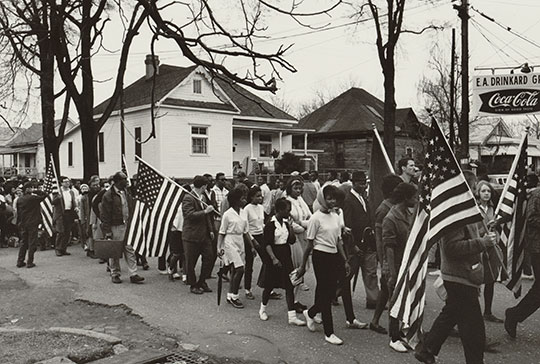
Selma to Montgomery March
More than 500 non-violent civil rights marchers are attacked by law enforcement officers while attempting to march from Selma to Montgomery, Alabama to demand the need for African American voting rights.
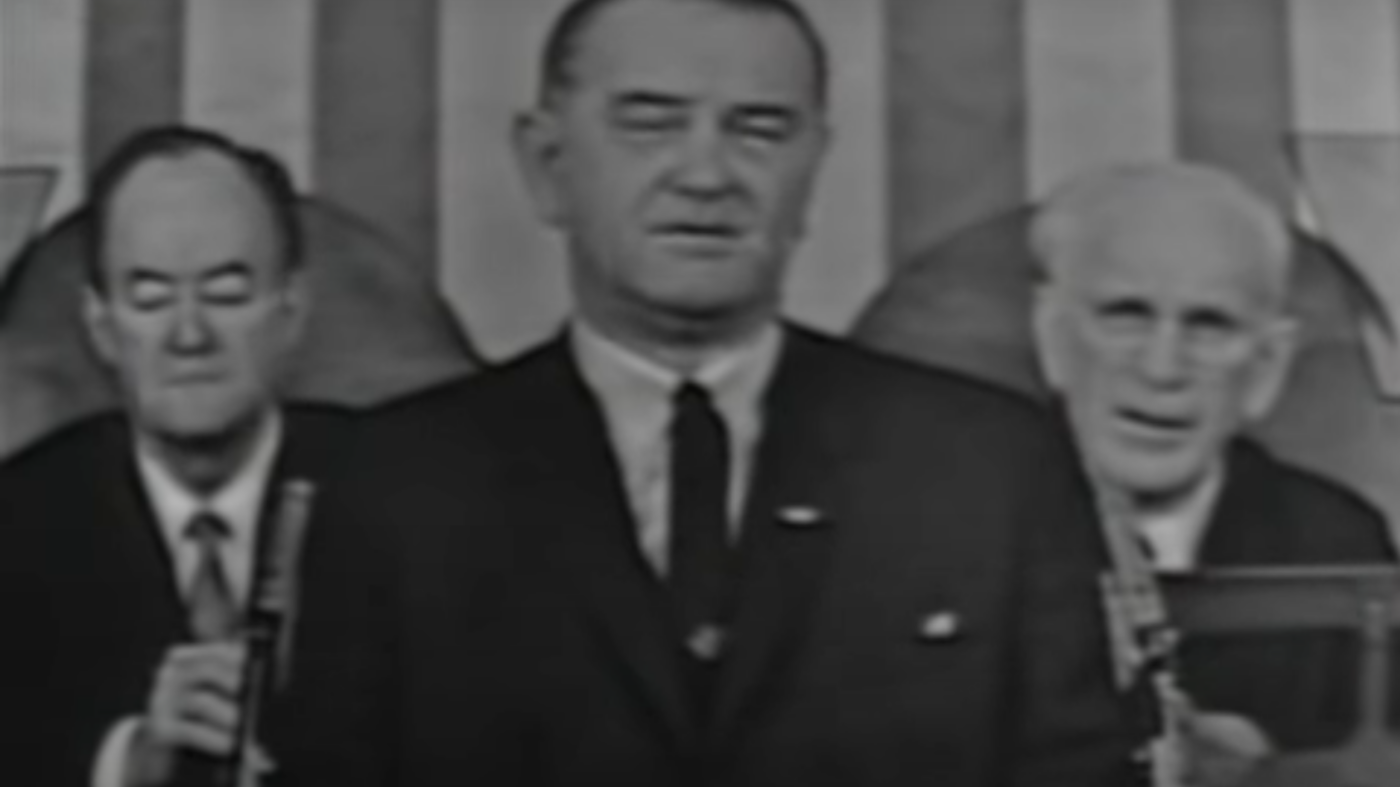
The Voting Rights Act is signed into law
President Lyndon B. Johnson signs the Voting Rights Act into law, permanently barring barriers to political participation by racial and ethnic minorities, prohibiting any election practice that denies the right to vote on account of race, and requiring jurisdictions with a history of discrimination in voting to get federal approval for changes in their election laws before they can take effect.
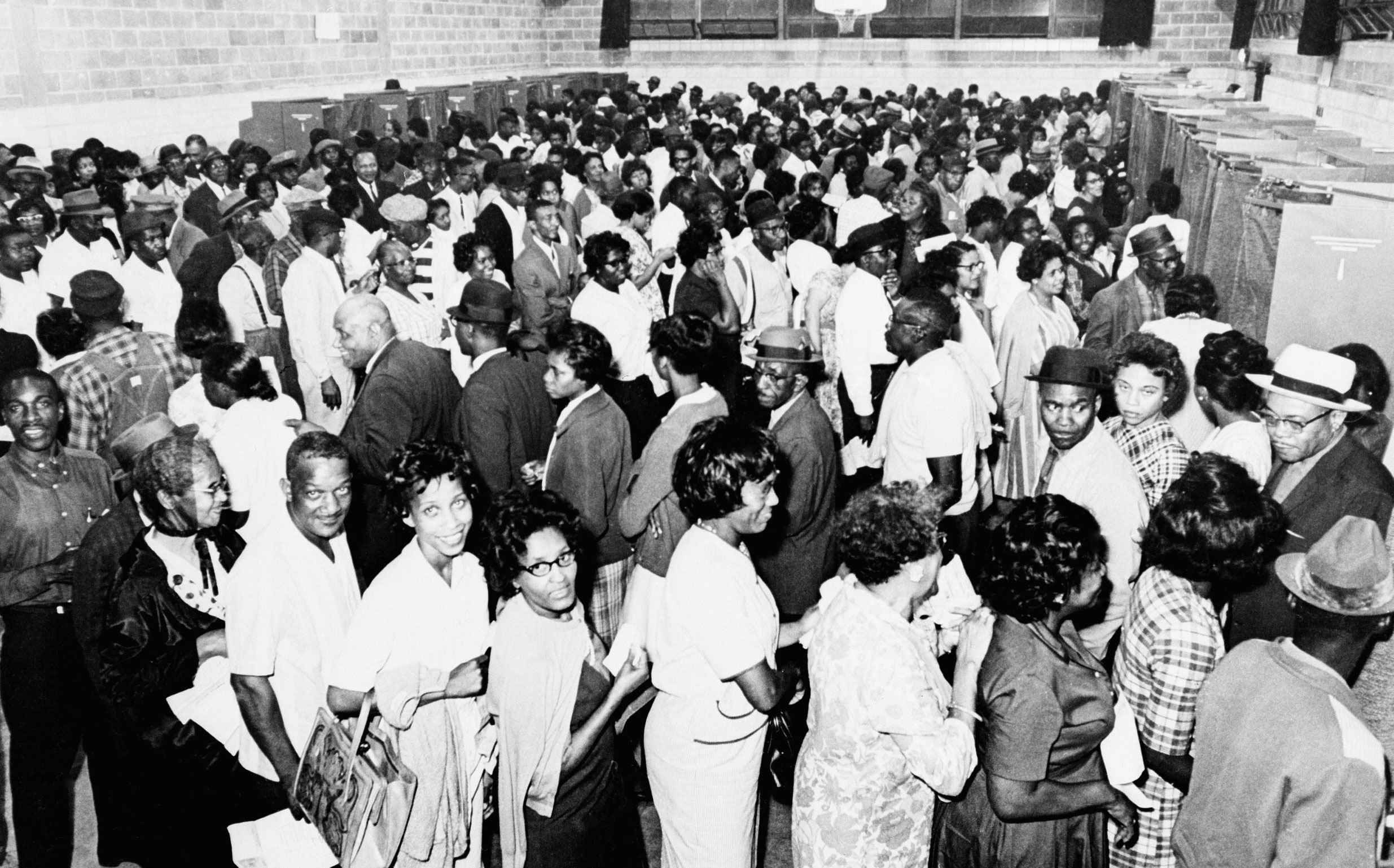
Growing numbers of registered Black voters
By the end of 1965, 250,000 new black voters are registered, one third of them by federal examiners.
1970
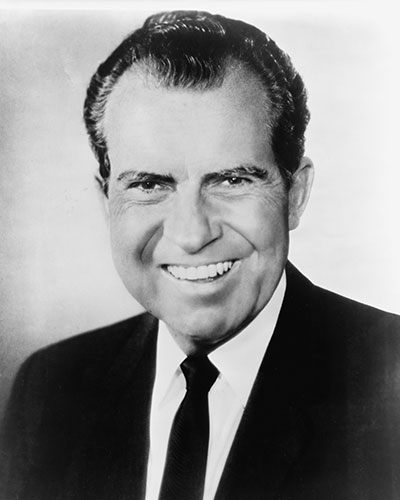
An extension of the Voting Rights Act is signed
President Richard Nixon signs an extension of the Voting Rights Act.
Nixon: "The Voting Rights Act of 1965 has opened participation in the political process."
1972
A congressional milestone
Barbara Jordan of Houston and Andrew Young of Atlanta are the first African Americans elected to Congress from the South since Reconstruction.
1975
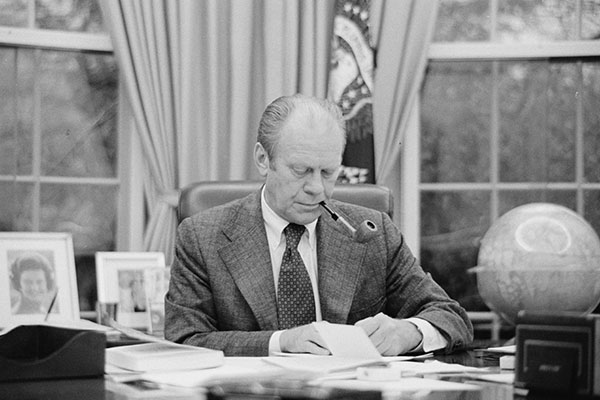
An extension of the Voting Rights Act is signed
President Gerald Ford signs an extension of the Voting Rights Act.
1982

A 25-year extension of the Voting Rights Act is signed
President Ronald Reagan signs a 25-year extension of the Voting Rights Act.
1990
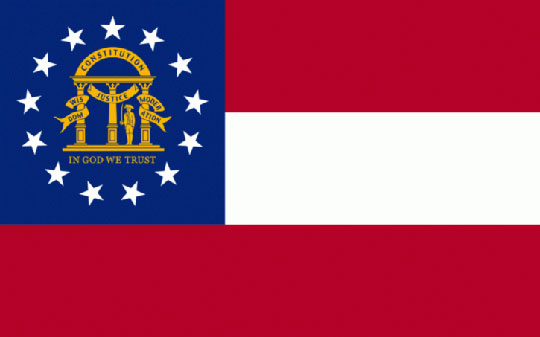
Growing numbers of Black elected officials thanks in part to the VRA
Due, in part, to the enforcement of the Voting Rights Act, the number of black elected officials in Georgia grows to 495 in 1990 from just three prior to the VRA.
2006
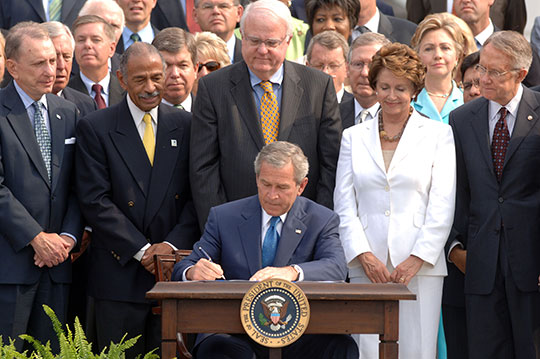
Extension of Section 5
Congress extends Section 5 of the Voting Rights Act for an additional 25 years.
2010-2016
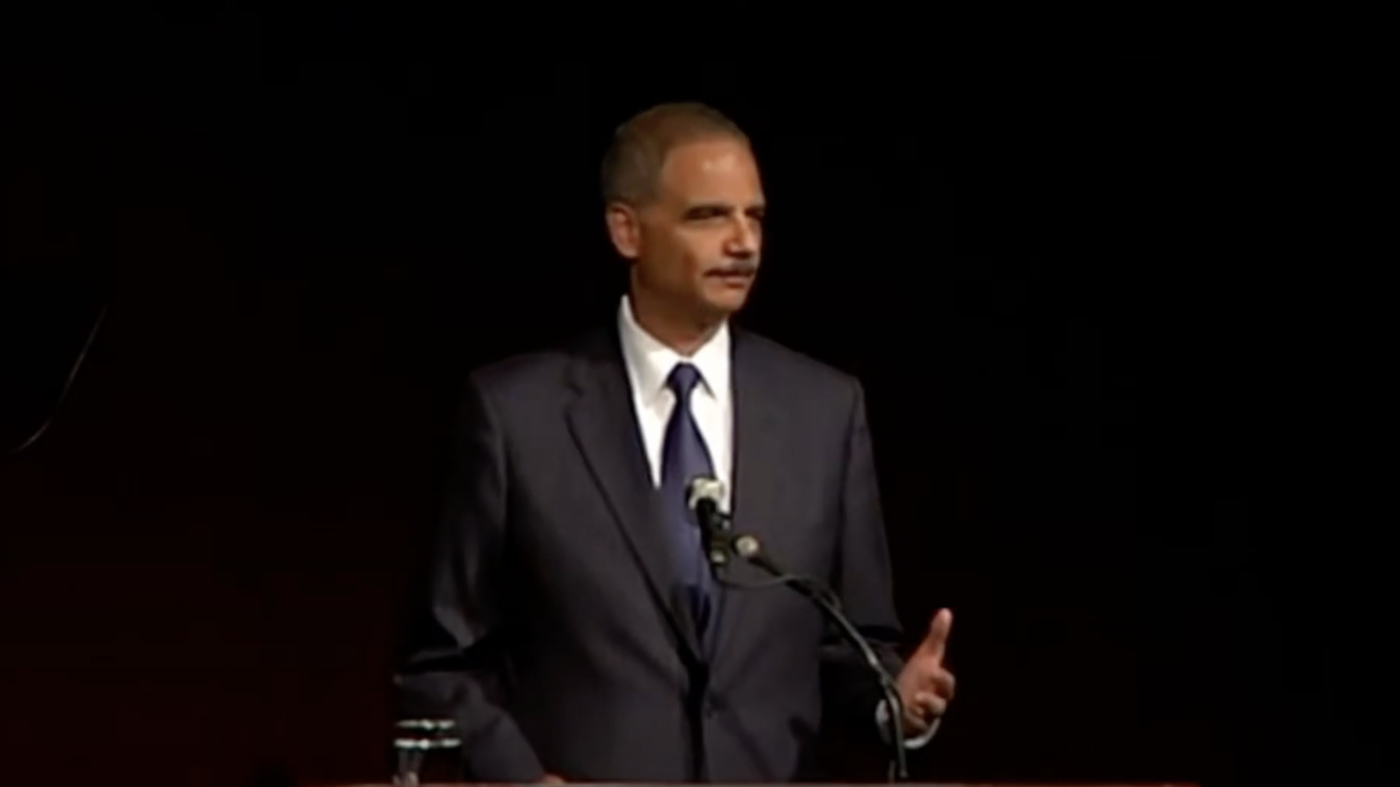
Objections to voting laws
Since 2010 alone, the Department of Justice has had 18 Section 5 objections to voting laws in Texas, South Carolina, Georgia, North Carolina, Mississippi and Louisiana.
In the video below, Attorney General Eric Holder discusses voting rights.
2011
Voter suppression on the rise
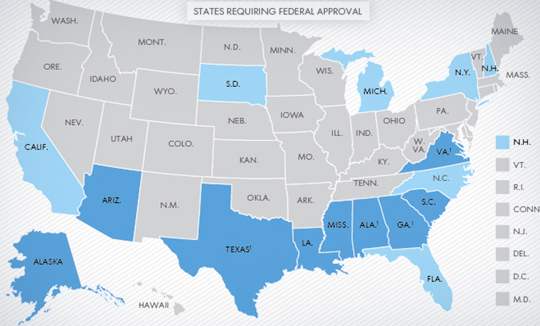
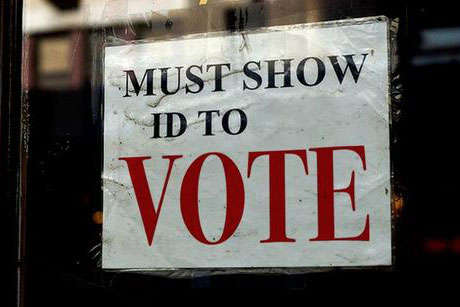
A record number of restrictions to voting are introduced in state legislatures nationwide, including photo ID requirements, cuts to early voting and restrictions to voter registration. Many of these states have histories of voter discrimination and are covered under the VRA.
States requiring federal approval: New Hampshire, New York, Virginia, North Carolina, South Carolina, Georgia, Florida, Alabama, Mississippi, Louisiana, Texas, Arizona, South Dakota, California, Alaska.
Minority voters face restrictions
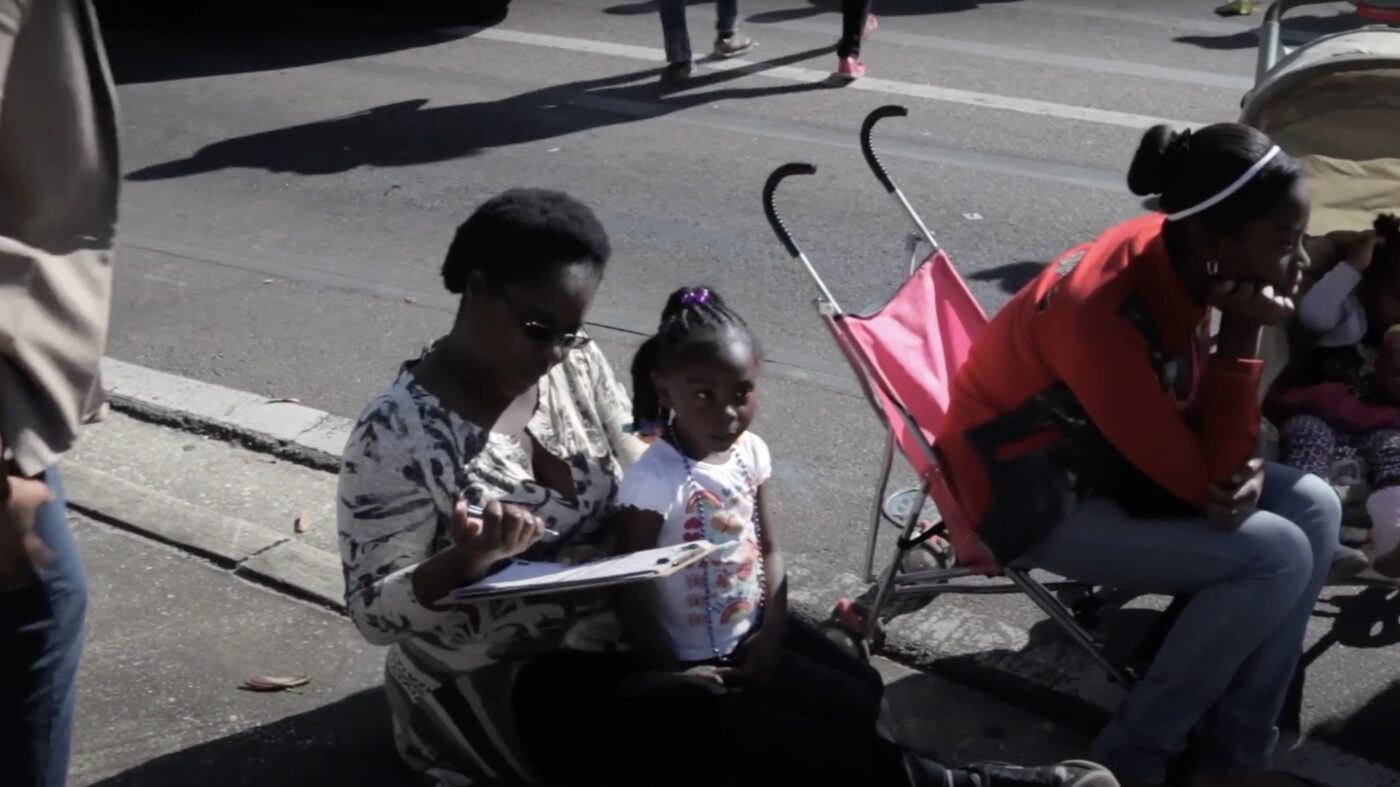
Laws restricting voting access are passed in South Carolina, Texas and Florida and are found to disproportionately impact minority voters.
Voting restrictions in Florida
Florida passes a law that restricts voter registration and cuts early voting. The majority of African Americans in Florida rely on early voting to cast a ballot, and register to vote through community based registration.
Texas v. Holder
Texas passes one of the nation's most restrictive voter ID laws. Under the VRA, the state was required to submit the law to the Justice Department or the DC federal district court for approval. The court blocks the law, citing racial impact.
South Carolina's controversial voter ID law
South Carolina passes a restrictive voter ID law that would keep more than 180,000 African Americans from casting a ballot.
Voter ID law is blocked by the Justice Department
Under the VRA, the DOJ blocks South Carolina's voter ID law, saying it discriminates against minority voters. The DC federal district court later preclears the law but only because the state agreed that an ID was not required for voting.
2013
Shelby v. Holder
The ACLU represents the NAACP's Alabama chapter in Shelby v. Holder. In the decision, the Supreme Court cripples one of the most effective protections for the right to vote by rendering ineffective the requirement that certain jurisdictions with a history of voting discrimination get pre-approval for voting changes. States waste no time, enacting potentially discriminatory laws including Texas, Mississippi, North Carolina, Florida, Virginia, South Dakota, Iowa, and Indiana.
2014
Voting Rights Amendment Act
In January 2014, a bipartisan group of lawmakers introduces the Voting Rights Amendment Act to repair the damage done by the Shelby decision. Congress can pass a new, flexible and forward-looking set of protections that work together to guarantee our right to vote — and it's not just wishful thinking. Since 2006, Congress has extended the key sections of the Voting Rights Act on four occasions in overwhelming, bipartisan votes. The last three extensions have been signed by Republican presidents.
Although we have made significant gains in voting rights, discrimination at the polls persists today and cannot be dismissed as a relic of the past. Minority voters still face significant obstacles in registering to vote and casting ballots.
2016
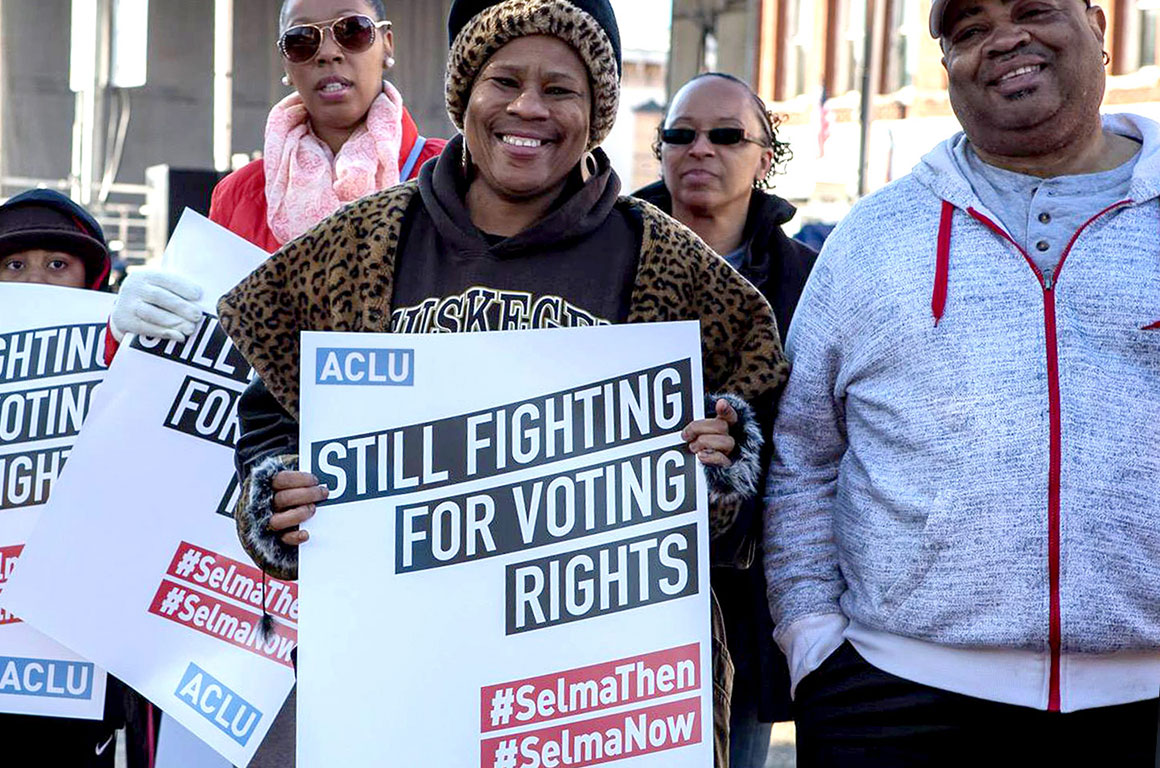
Victories in four key states
2016 sees four sweeping victories for voting rights, with courts ruling that North Carolina, Kansas, North Dakota, and Texas must remove discriminatory restrictions that silence voters of color. Restrictions still remain in place in 13 other states.
Related Stories
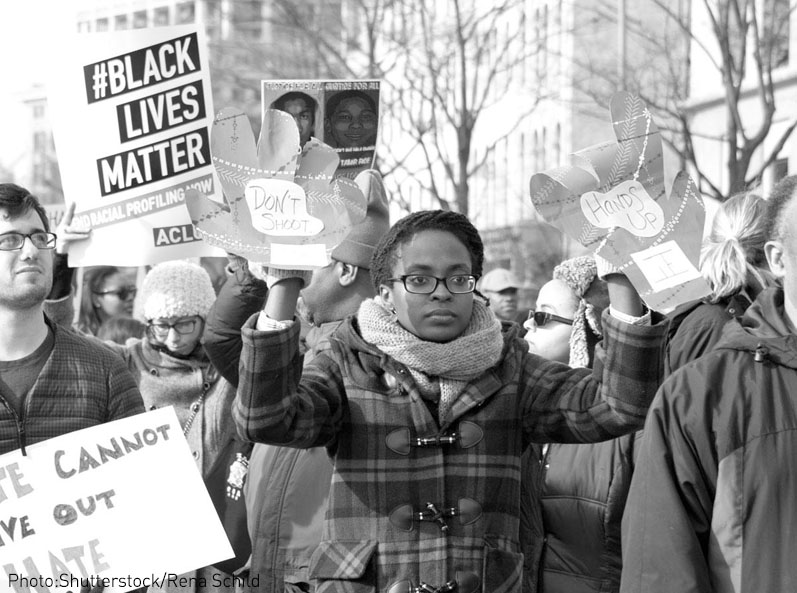
Voting Rights Trial in Ferguson
On December 18, 2014, the ACLU filed a federal lawsuit challenging the Ferguson-Florissant School District’s at-large electoral system used to...
Source: American Civil Liberties Union
Voter Suppression Laws: What’s New Since the 2012 Presidential Election
In the 2016 presidential election, up to 17 states may have restrictive voting laws in place. Collectively, these 17 states are home to over 110...
Source: American Civil Liberties Union

Shelby County v. Holder
The Voting Rights Act of 1965 is one of our nation’s most critical federal civil rights statutes. Section 5 of the Voting Rights Act, which is a...
Source: American Civil Liberties Union