Take an Action Today
Join the over one million action-takers who have made their voices heard.

Volunteer Actions and Events
Here are some ways you can get involved and show your support for civil liberties at the state and national level.
Volunteer

Civil Liberties
+3 Issues
People Power
People power is the ACLU’s grassroots network of activists, volunteers, and supporters organizing in their communities to protect our rights and demand change.
Volunteer
Civil Liberties
Join our Volunteer Teams
Help us mobilize communities across the country to defend and advance civil liberties.
More Digital Actions
Here are some ways you can get involved and show your support for civil liberties at the state and national level.
33 Actions
Message Action
Human Rights
FIFA: Defend human rights
Millions are coming to the United States for the FIFA Men's World Cup this year. Urge FIFA to demand an end to the Trump administration's human rights abuses.
Send message
Message Action
Human Rights
FIFA: Defend human rights
Millions are coming to the United States for the FIFA Men's World Cup this year. Urge FIFA to demand an end to the Trump administration's human rights abuses.
Petition
Voting Rights
Stop President Trump's unconstitutional attacks on our elections
President Trump is once again abusing his power, attempting to undermine our democracy and disenfranchise eligible voters.
Act Now
Petition
Voting Rights
Stop President Trump's unconstitutional attacks on our elections
President Trump is once again abusing his power, attempting to undermine our democracy and disenfranchise eligible voters.
Message Action
National Security
Tell Congress: No Unconstitutional War with Iran
President Trump does not have the power to declare war on another country.
Send message
Message Action
National Security
Tell Congress: No Unconstitutional War with Iran
President Trump does not have the power to declare war on another country.
Petition
Immigrants' Rights
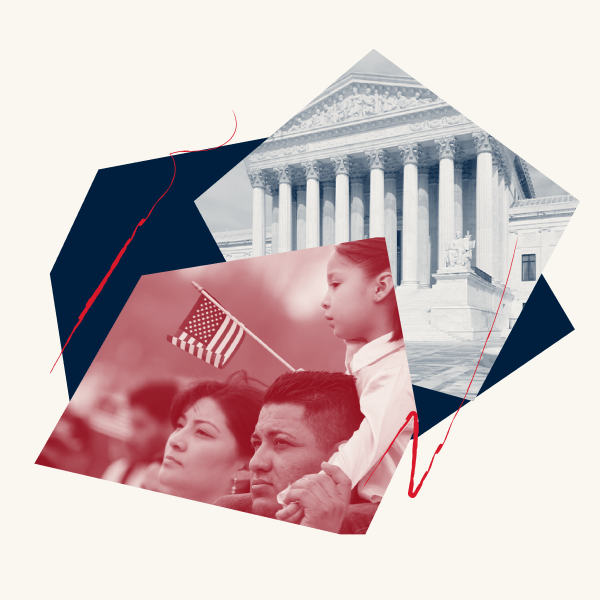
Birthright Citizenship at SCOTUS: Your Voice Matters
Add your name in support of safeguarding citizenship for all babies born in the U.S.
Act Now
Petition
Immigrants' Rights
Birthright Citizenship at SCOTUS: Your Voice Matters
Add your name in support of safeguarding citizenship for all babies born in the U.S.
Petition
LGBTQ Rights
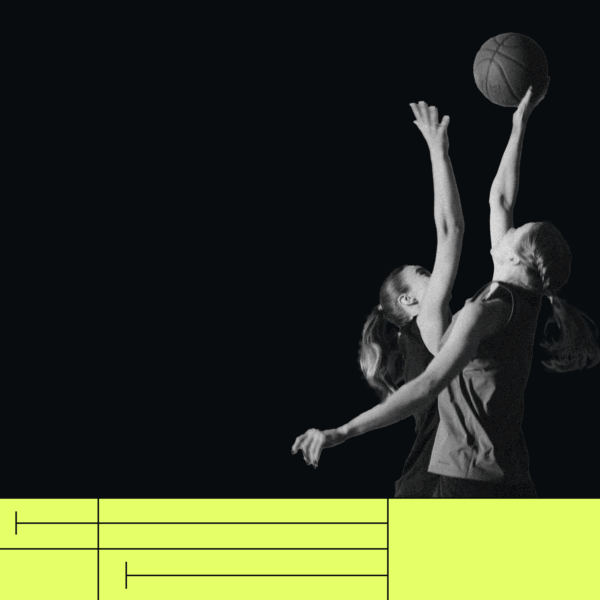
Trans Kids at SCOTUS: Our Freedom Is More Than A Game
Every kid should be allowed to grow up with the freedom to be themselves, on and off the field.
Act Now
Petition
LGBTQ Rights
Trans Kids at SCOTUS: Our Freedom Is More Than A Game
Every kid should be allowed to grow up with the freedom to be themselves, on and off the field.