Campaigns & Initiatives
Learn more about and support the ACLU's work to defend civil liberties and civil rights in every corner of the country.
Featured
Initiative
Jun 2026

Voting Rights
Defending Our Vote: The ACLU’s election safeguarding program
Across the country, we’re already organizing and mobilizing with our neighbors as part of our largest ever election safeguarding initiative, investing more than $24.5 million to protect our right to vote and empower voters across the country to participate fully in our democracy.
Campaign
Jun 2026
Civil Liberties
Free Speech
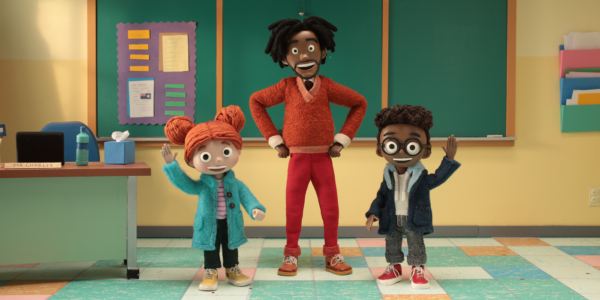
ACLU's Know Your Rights University!
Know Your Rights University (KYR-U) is an animated series that teaches kids lessons about civics, constitutional rights, and free expression! KYR-U makes learning fun, and comes at a time when being able to fully engage in our communities couldn’t be more critical.
Campaign
Mar 2026
Immigrants' Rights
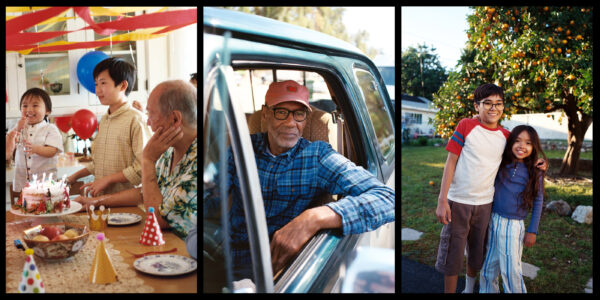
Born in the USA: Defending Birthright Citizenship
President Trump has targeted immigrants since his first day in office, and his efforts to eliminate birthright citizenship are at the center of his cruel agenda to redefine who gets to be an American. But the 14th Amendment guarantees citizenship to children born in the United States — and President Trump is not above the Constitution.
All Campaigns & Initiatives

Campaign
Oct 2025
Free Speech
Banned Books Week 2025
Find an event or learn more about your First Amendment freedoms.
Explore campaign
Campaign
Oct 2025
Free Speech
Banned Books Week 2025
Find an event or learn more about your First Amendment freedoms.
Campaign
Jun 2025
Immigrants' Rights
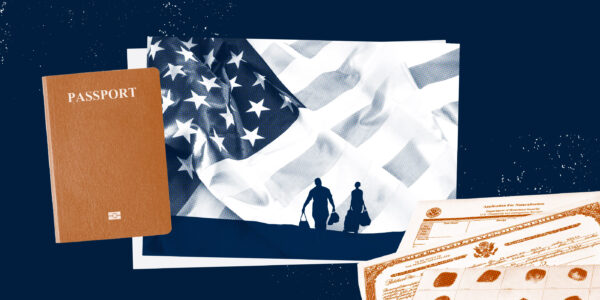
Documenting Stories of Cruelty, Fear, and Resilience
Immigrants, families, and communities share how Trump’s unlawful immigration policies and rhetoric have taken a toll on their lives.
Explore campaign
Campaign
Jun 2025
Immigrants' Rights
Documenting Stories of Cruelty, Fear, and Resilience
Immigrants, families, and communities share how Trump’s unlawful immigration policies and rhetoric have taken a toll on their lives.
Campaign
May 2025
LGBTQ Rights
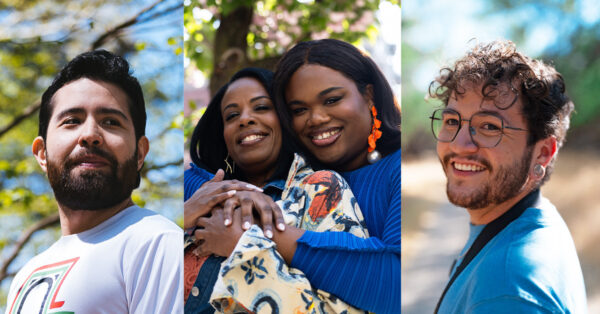
Freedom To Be: Joy, Family, & Transgender Rights
The Freedom To Be Monument is a powerful, living testament to trans resilience, community, and joy. Explore the monument, witness these powerful stories, and join us in the fight to defend trans freedom.
This installation took over the National Mall in Washington, D.C., on May 17 as a bold act of resistance to transphobia, trans erasure, and anti-trans legislation. It stands as a declaration that trans people deserve the freedom to be—loved, safe, and in control of our own health care decisions.
Inspired by the legacy of the AIDS Memorial Quilt, this installation combats erasure and ensures that trans voices, stories, and existence are seen and honored. It directly challenges those who seek to strip away trans rights, boldly affirming that trans lives are here to stay.
Spelling out the words “Freedom To Be,” the monument consists of 250 panels—each 6 feet by 6 feet—created by hundreds of trans folks and allies across the country. Every panel is a response to the question: What does freedom to be mean to me? Over the past year, in partnership with the ACLU, trans storytellers and allies have poured their hopes, fears, and dreams into this collective work of art.
Explore campaign
Campaign
May 2025
LGBTQ Rights
Freedom To Be: Joy, Family, & Transgender Rights
The Freedom To Be Monument is a powerful, living testament to trans resilience, community, and joy. Explore the monument, witness these powerful stories, and join us in the fight to defend trans freedom.
This installation took over the National Mall in Washington, D.C., on May 17 as a bold act of resistance to transphobia, trans erasure, and anti-trans legislation. It stands as a declaration that trans people deserve the freedom to be—loved, safe, and in control of our own health care decisions.
Inspired by the legacy of the AIDS Memorial Quilt, this installation combats erasure and ensures that trans voices, stories, and existence are seen and honored. It directly challenges those who seek to strip away trans rights, boldly affirming that trans lives are here to stay.
Spelling out the words “Freedom To Be,” the monument consists of 250 panels—each 6 feet by 6 feet—created by hundreds of trans folks and allies across the country. Every panel is a response to the question: What does freedom to be mean to me? Over the past year, in partnership with the ACLU, trans storytellers and allies have poured their hopes, fears, and dreams into this collective work of art.

Campaign
Jan 2025
Civil Liberties
+7 Issues
The Trump Memos
President Trump’s second term agenda and The Heritage Foundation’s extreme Project 2025 are blatantly enmeshed. Read our memos on how to fight back!
Explore campaign
Campaign
Jan 2025
Civil Liberties
+7 Issues
The Trump Memos
President Trump’s second term agenda and The Heritage Foundation’s extreme Project 2025 are blatantly enmeshed. Read our memos on how to fight back!
Campaign
Dec 2024
Racial Justice
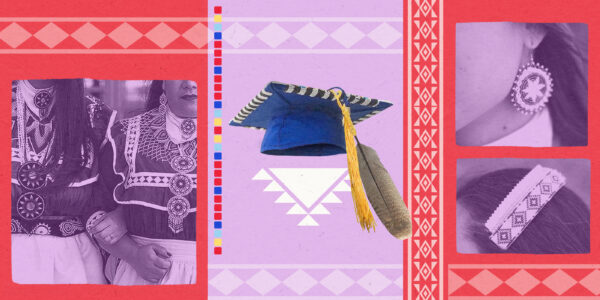
Protecting Indigenous Students' Right to Wear Tribal Regalia
Graduation is a time of celebration and community. After centuries of attempted genocide and erasure of Indigenous culture and tradition, the ability to celebrate commencement in a culturally appropriate way is deeply important for Indigenous students. Tribal regalia worn at commencement are a symbol of resistance, resilience, and reclamation by students of their right to an education that honors their culture and heritage. But for some Indigenous students, graduation can be fraught with uncertainty or controversy over their ability to wear tribal regalia during commencement ceremonies. Some schools still prohibit Indigenous students from wearing items at graduation, claiming that it would violate the school’s dress code and speculating, without any basis, that it would disrupt the ceremony.
Explore campaign
Campaign
Dec 2024
Racial Justice
Protecting Indigenous Students' Right to Wear Tribal Regalia
Graduation is a time of celebration and community. After centuries of attempted genocide and erasure of Indigenous culture and tradition, the ability to celebrate commencement in a culturally appropriate way is deeply important for Indigenous students. Tribal regalia worn at commencement are a symbol of resistance, resilience, and reclamation by students of their right to an education that honors their culture and heritage. But for some Indigenous students, graduation can be fraught with uncertainty or controversy over their ability to wear tribal regalia during commencement ceremonies. Some schools still prohibit Indigenous students from wearing items at graduation, claiming that it would violate the school’s dress code and speculating, without any basis, that it would disrupt the ceremony.