ACLU Back-To-School Bookshelf 2026: Artists, Authors, and Creators Share Their Favorite Reads About Civil Liberties
As the new school year begins, the ACLU has teamed up with your favorite authors and influencers to curate a list of books that do more than inform; they challenge us to build a more equitable future.
Since 2021, thousands of book titles have been challenged or removed from school libraries, often targeting BIPOC authors, LGBTQ+ creators, and other marginalized voices. These efforts to ban books and restrict discussions — especially on race, gender, sexuality, and systemic injustice — are both unlawful and a serious threat to our freedom to learn.
The ACLU and our partners are fighting back. We’re challenging censorship in military schools and in classrooms across the country. Artists, authors, and content creators have joined us in this fight by sharing their favorite reads about civil liberties, civil rights, and some of the most pressing issues of today. A number of the recommendations below have been banned or challenged in schools across the country.
Our series, “ACLU Bookshelf,” lets you join our fight and pick up the texts, novels, nonfiction stories, essays and more that help us form a more perfect union — one page at a time.
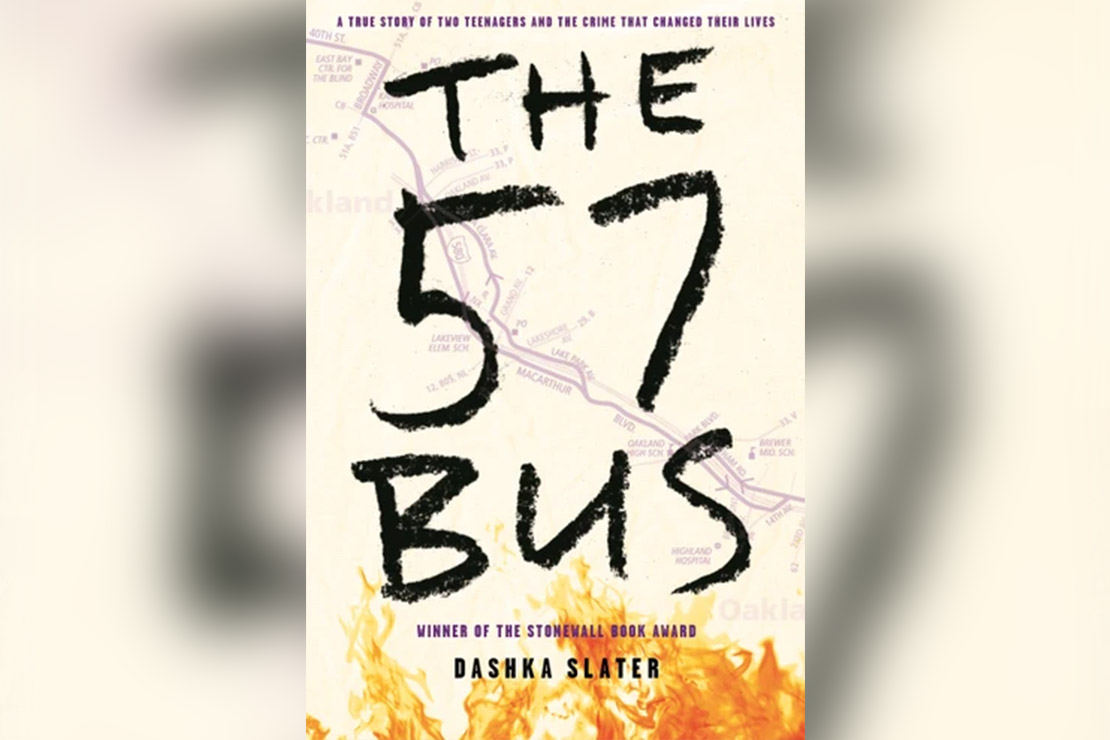
Alyssa Milano: “The 57 Bus” by Dashka Slater
In this true story, award-winning journalist Dashka Slater writes about two teenagers from Oakland, California who ride the bus together: Sasha, a white, middle-class teen who goes to a small private school and Richard, a Black teen who goes to public school.
One afternoon, a single reckless act leaves Sasha severely burned. Richard then receives charges for two hate crimes and faces life imprisonment. In “The 57 Bus,” Slater writes about what happened in a complex case that gained international attention.
In Alyssa’s Words: “The 57 Bus by Dashka Slater begins with one terrible act and refuses to give us the comfort of a simple villain. In telling the true story of two teenagers whose lives collide across lines of race, class, gender identity, and privilege, Slater asks us to consider what justice looks like when punishment alone cannot repair the harm. It’s the kind of book young people deserve: honest about the world they are inheriting and brave enough to trust them with its complexity.”
Vibe: Thought-provoking, heart-wrenching, and balanced.
One afternoon, a single reckless act leaves Sasha severely burned. Richard then receives charges for two hate crimes and faces life imprisonment. In “The 57 Bus,” Slater writes about what happened in a complex case that gained international attention.
In Alyssa’s Words: “The 57 Bus by Dashka Slater begins with one terrible act and refuses to give us the comfort of a simple villain. In telling the true story of two teenagers whose lives collide across lines of race, class, gender identity, and privilege, Slater asks us to consider what justice looks like when punishment alone cannot repair the harm. It’s the kind of book young people deserve: honest about the world they are inheriting and brave enough to trust them with its complexity.”
Vibe: Thought-provoking, heart-wrenching, and balanced.
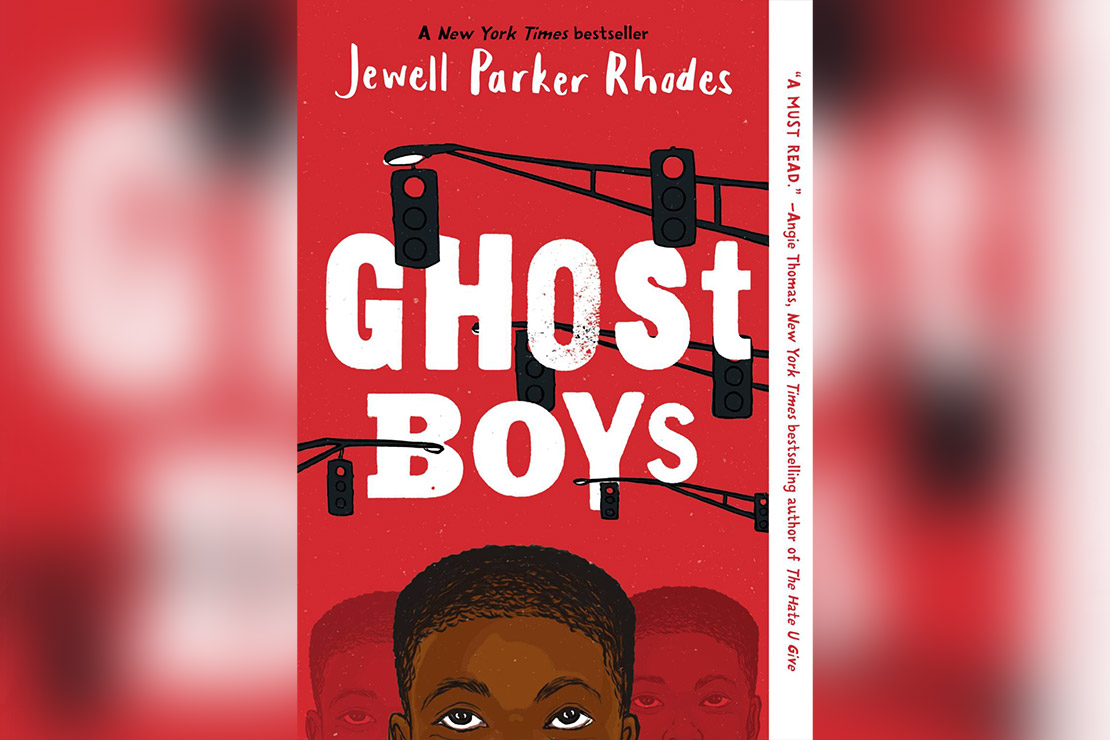
Jason Reynolds: “Ghost Boys” by Jewell Parker Rhodes
“Ghost Boys” is about Jerome, a 12-year-old Black boy in Chicago, who is shot and killed by a white police officer who mistakes his toy gun for a real one.
After his death, Jerome remains on Earth as a ghost and encounters other the ghosts of Black children unjustly killed across American history — including Emmett Till, the young boy who was lynched in 1955. The book has faced temporary bans and challenges in multiple school districts.
In Jason’s Words: “It’s one of my favorite books ever. It’s about a young boy named Jerome who is unfortunately killed by a cop, because he has a toy gun and the cop thinks it’s a real gun. And he’s killed in Chicago. And then, there’s this connection from that moment to the historic moment of Emmett Till’s death where this young man in the afterlife gets to then talk to Emmett Till. And it’s mind-boggling to even consider that. And then his spirit, the same deceased young man, gets to talk to the cop’s daughter. She can see him, she can see his ghost. And they have a relationship and are talking about the father’s actions, the police officer’s actions. It’s a brilliant complex take on some of the really unfortunate social injustices that happened.”
Vibe: Heartbreaking and somber, with a metaphysical angle.
After his death, Jerome remains on Earth as a ghost and encounters other the ghosts of Black children unjustly killed across American history — including Emmett Till, the young boy who was lynched in 1955. The book has faced temporary bans and challenges in multiple school districts.
In Jason’s Words: “It’s one of my favorite books ever. It’s about a young boy named Jerome who is unfortunately killed by a cop, because he has a toy gun and the cop thinks it’s a real gun. And he’s killed in Chicago. And then, there’s this connection from that moment to the historic moment of Emmett Till’s death where this young man in the afterlife gets to then talk to Emmett Till. And it’s mind-boggling to even consider that. And then his spirit, the same deceased young man, gets to talk to the cop’s daughter. She can see him, she can see his ghost. And they have a relationship and are talking about the father’s actions, the police officer’s actions. It’s a brilliant complex take on some of the really unfortunate social injustices that happened.”
Vibe: Heartbreaking and somber, with a metaphysical angle.
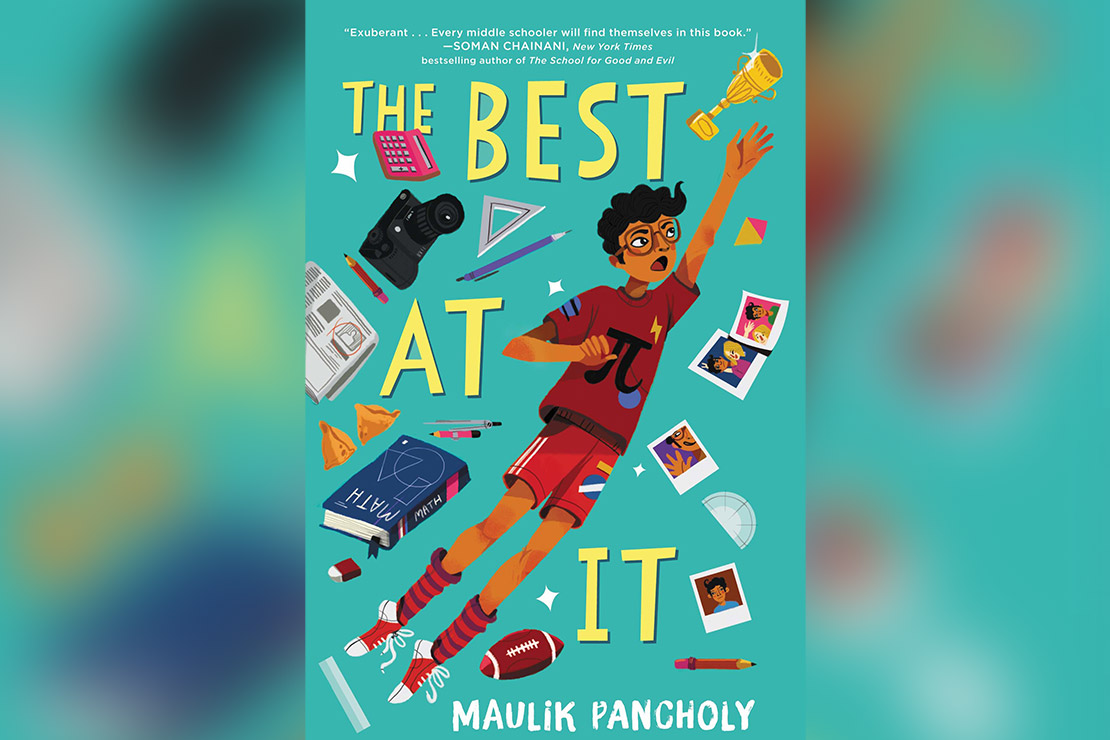
Maulik Pancholy: “The Best at It” by Maulik Pancholy
Rahul Kapoor is a 12-year-old Indian American boy who is just beginning to realize that he might be gay. He starts to doubt his self-worth, so he sets off on a mission to prove that he is the best at something.
“The Best at It” explores themes of sexuality, cultural identity, and mental health. The children’s book has also been challenged or banned from classrooms in multiple states.
In Maulik’s Words: “I recommend it because it is full of heart, it’s very funny, and it’s about discovering that it is okay to be exactly who you are.”
Vibe: For young readers looking for a coming-of-age story that’s funny yet heartfelt.
“The Best at It” explores themes of sexuality, cultural identity, and mental health. The children’s book has also been challenged or banned from classrooms in multiple states.
In Maulik’s Words: “I recommend it because it is full of heart, it’s very funny, and it’s about discovering that it is okay to be exactly who you are.”
Vibe: For young readers looking for a coming-of-age story that’s funny yet heartfelt.
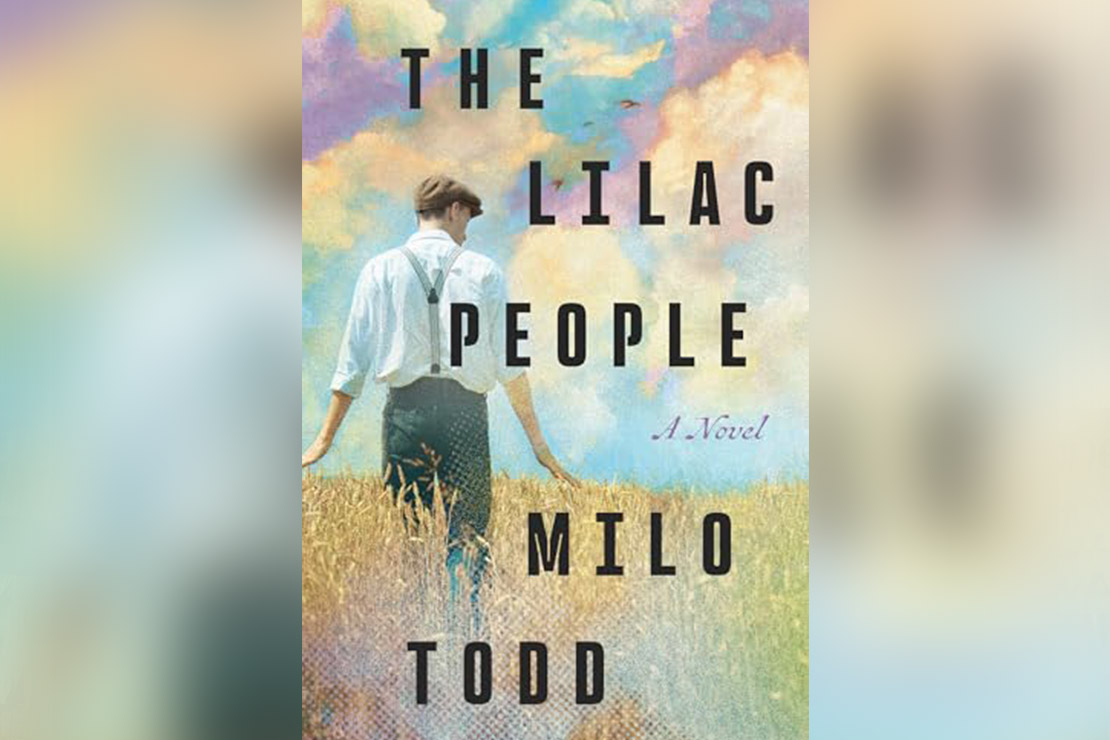
Damian Terriquez: “The Lilac People” by Milo Todd
In “The Lilac People,” Milo Todd writes about Bertie, a trans man who works to improve queer rights in 1932 Germany and beyond.
He lives in the thriving queer community of Berlin. But everything changes when Hitler rises to power. Bertie’s workplace, the Institute of Sexual Science, is raided. The Eldorado Club, the hub for Berlin’s queer community, is closed. As queer people are rounded up, Bertie escapes with his girlfriend. What follows is life in isolation during the war, the continued persecution of queer people after the war, and Bertie’s eventual journey to the United States.
In Damian’s Words: “‘The Lilac People’ by Milo Todd is a powerful reminder that queer and trans people have always been here — and have always had to fight for the right to exist safely and openly. This book reminds us that our community has survived persecution, erasure, and attempts to rewrite our history before, and it reminds us that we are not walking this path alone.”
Vibe: Melancholic with interwoven moments of queer joy. For fans of “All the Light We Cannot See” by Anthony Doerr.
He lives in the thriving queer community of Berlin. But everything changes when Hitler rises to power. Bertie’s workplace, the Institute of Sexual Science, is raided. The Eldorado Club, the hub for Berlin’s queer community, is closed. As queer people are rounded up, Bertie escapes with his girlfriend. What follows is life in isolation during the war, the continued persecution of queer people after the war, and Bertie’s eventual journey to the United States.
In Damian’s Words: “‘The Lilac People’ by Milo Todd is a powerful reminder that queer and trans people have always been here — and have always had to fight for the right to exist safely and openly. This book reminds us that our community has survived persecution, erasure, and attempts to rewrite our history before, and it reminds us that we are not walking this path alone.”
Vibe: Melancholic with interwoven moments of queer joy. For fans of “All the Light We Cannot See” by Anthony Doerr.
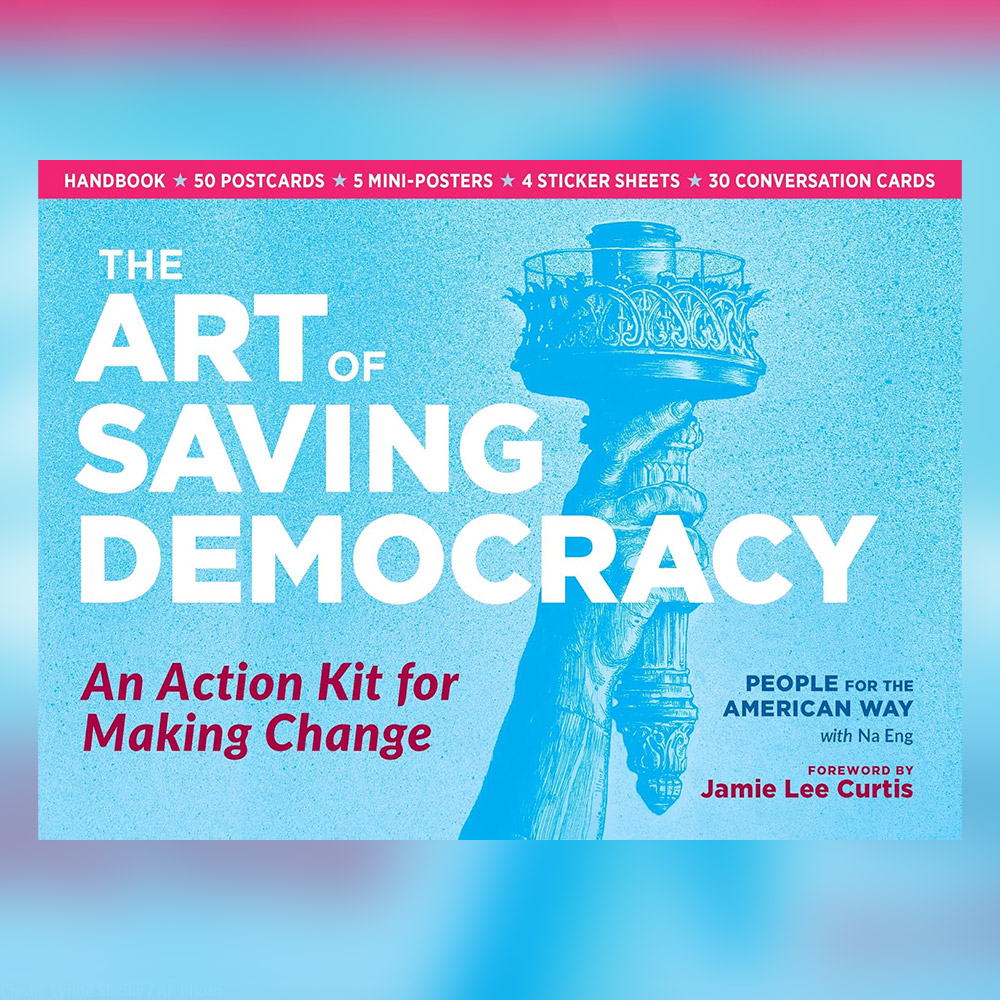
Na Eng: “The Art of Saving Democracy: An Action Kit for Making Change” by Na Eng
In this toolkit, advocacy organization People For the American Way share their wisdom and empower all of us to actively participate in our democracy.
The Art of Saving Democracy features the work of 20 renowned American artists, such as Roy Lichtenstein, Shepard Fairey, Carrie Mae Weems, Vincent Valdez, and Deborah Kass. Whether you’re taking to the streets or taking up a pen, The Art of Saving Democracy can help you be more effective when you express yourself, champion our shared rights and freedoms, and resist hate and authoritarianism.
In Na’s Words: “While social media feeds and news alerts barrage us with a relentless series of crises, ‘The Art of Saving Democracy’ offers welcome relief and a strong bias toward action. Beautifully presented, the kit is full of hope, inspiration, and practical advice on how to rally for a more just America.”
Vibe: Interactive yet accessible. For readers looking for ways to take action.
The Art of Saving Democracy features the work of 20 renowned American artists, such as Roy Lichtenstein, Shepard Fairey, Carrie Mae Weems, Vincent Valdez, and Deborah Kass. Whether you’re taking to the streets or taking up a pen, The Art of Saving Democracy can help you be more effective when you express yourself, champion our shared rights and freedoms, and resist hate and authoritarianism.
In Na’s Words: “While social media feeds and news alerts barrage us with a relentless series of crises, ‘The Art of Saving Democracy’ offers welcome relief and a strong bias toward action. Beautifully presented, the kit is full of hope, inspiration, and practical advice on how to rally for a more just America.”
Vibe: Interactive yet accessible. For readers looking for ways to take action.
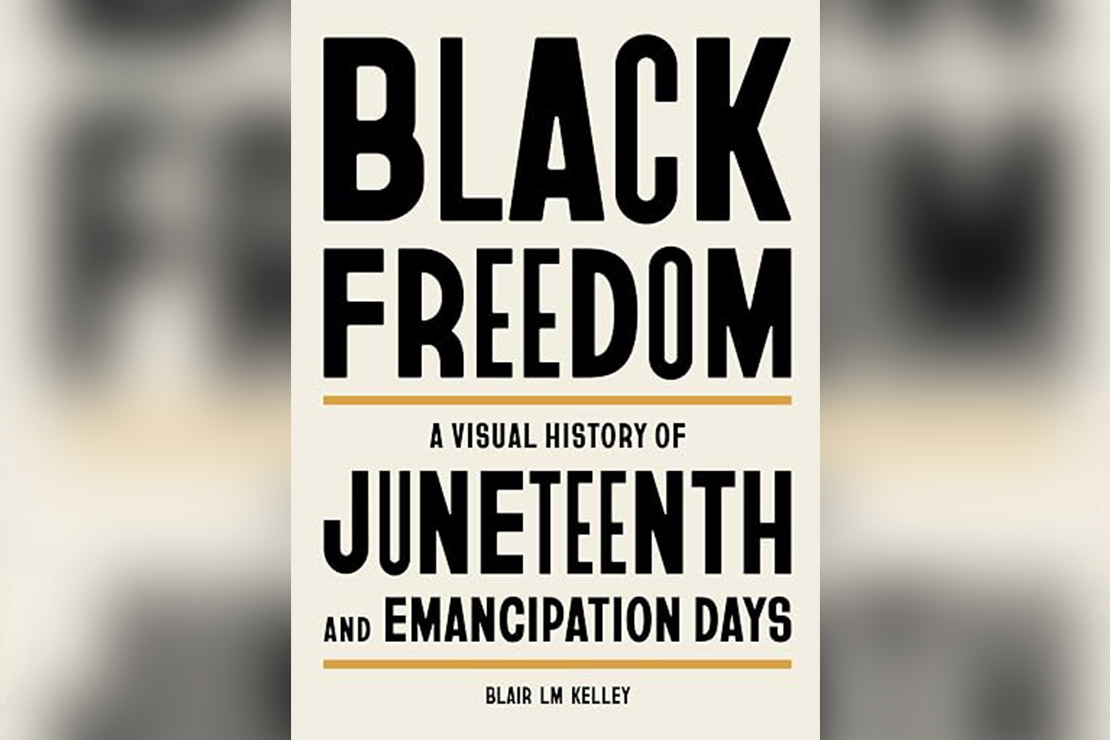
Blair Kelley: “Black Freedom” by Blair Kelley
“Black Freedom” is the first fully illustrated history of Juneteenth and other Emancipation Day celebrations created by an award-winning historian.
For more than 150 years, Black communities have gathered on Juneteenth to honor the ongoing struggle for liberation. The holiday has since become more widely observed across the United States. The book brings together essays, photographs, and art to show how Black people have created and sustained Juneteenth traditions as rituals of remembrance.
In Blair’s Words: “I’d recommend ‘Black Freedom’ because it explores a history that feels particularly urgent right now. At a moment when the honest explorations of Black history are under attack in our museums and in our schools, I wanted to do more to remind the nation how generations of Black people claimed their freedom and then continued to celebrate their history. Their vision of emancipation pushed the nation to live up to its promises. That history feels essential to understanding what we have survived and what is at stake now.”
Vibe: For readers interested in a deep dive through the archives.
For more than 150 years, Black communities have gathered on Juneteenth to honor the ongoing struggle for liberation. The holiday has since become more widely observed across the United States. The book brings together essays, photographs, and art to show how Black people have created and sustained Juneteenth traditions as rituals of remembrance.
In Blair’s Words: “I’d recommend ‘Black Freedom’ because it explores a history that feels particularly urgent right now. At a moment when the honest explorations of Black history are under attack in our museums and in our schools, I wanted to do more to remind the nation how generations of Black people claimed their freedom and then continued to celebrate their history. Their vision of emancipation pushed the nation to live up to its promises. That history feels essential to understanding what we have survived and what is at stake now.”
Vibe: For readers interested in a deep dive through the archives.
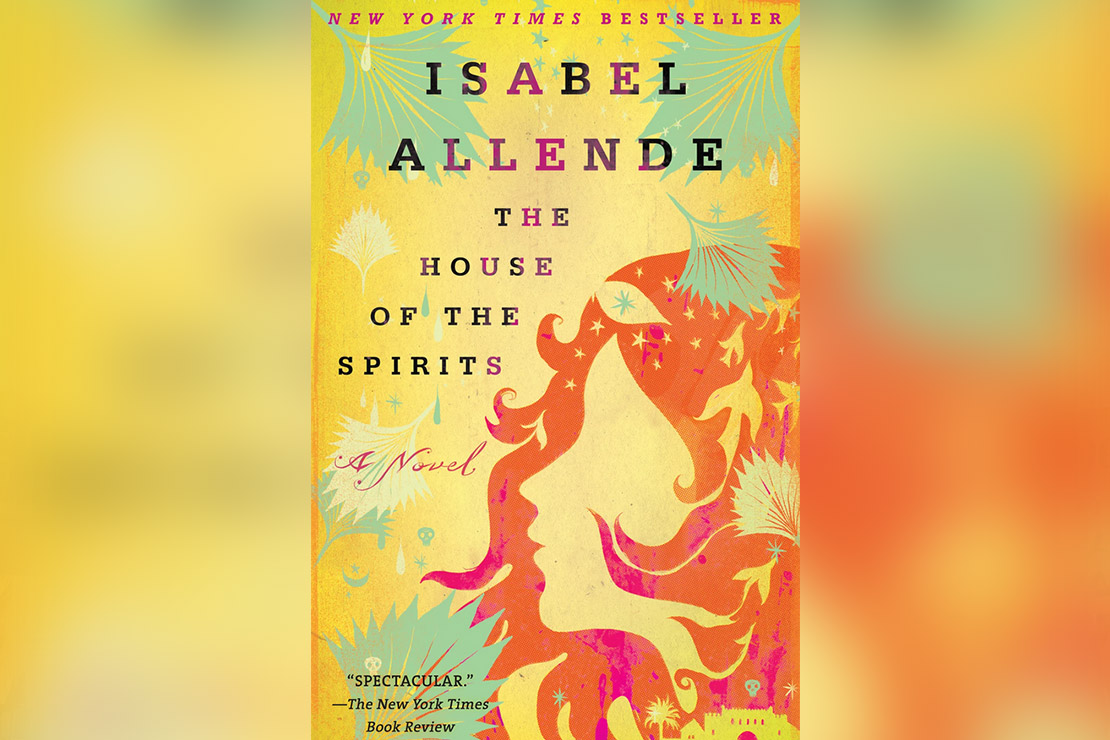
Nhora Lucía Serrano: “The House of the Spirits (La Casa De Los Espíritus)” by Isabel Allende
In one of the most important Latin American works of the 20th century, Isabel Allende writes about multiple generations of the Trueba family in Chile.
It explores the impact of political power, social inequality, and authoritarianism on their lives. “The House of the Spirits” translated from “La Casa De Los Espíritus” is an epic family saga blending magical realism with historical turmoil. The book has faced numerous challenges in local school districts across the country and the world.
In Nhora’s Words: “Through the intertwined stories of Clara, Blanca, and Alba, Allende centers women’s voices and their remarkable acts of resistance, showing how memory, storytelling, and solidarity can become forms of survival and defiance. Originally banned in Chile under General Augusto Pinochet and later challenged in U.S. schools, The House of the Spirits reminds us why the freedom to read — and the freedom to tell difficult stories — matters.”
Vibe: For fans of magical realism and the supernatural.
It explores the impact of political power, social inequality, and authoritarianism on their lives. “The House of the Spirits” translated from “La Casa De Los Espíritus” is an epic family saga blending magical realism with historical turmoil. The book has faced numerous challenges in local school districts across the country and the world.
In Nhora’s Words: “Through the intertwined stories of Clara, Blanca, and Alba, Allende centers women’s voices and their remarkable acts of resistance, showing how memory, storytelling, and solidarity can become forms of survival and defiance. Originally banned in Chile under General Augusto Pinochet and later challenged in U.S. schools, The House of the Spirits reminds us why the freedom to read — and the freedom to tell difficult stories — matters.”
Vibe: For fans of magical realism and the supernatural.
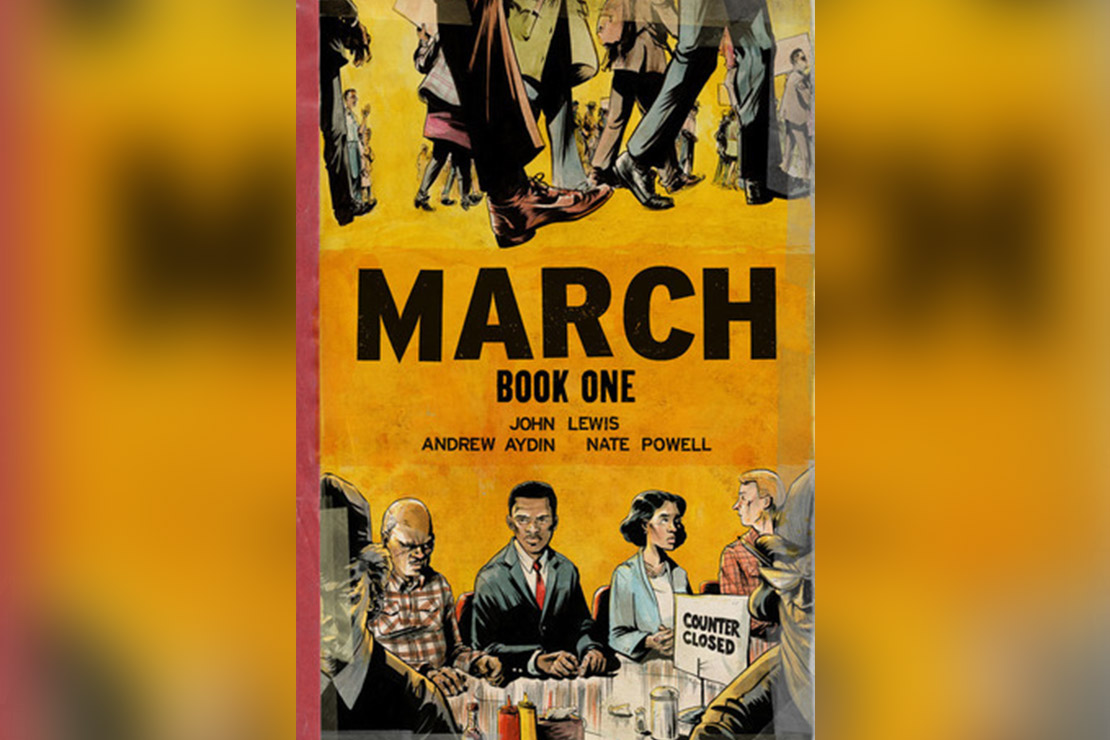
Susan Kirtley: “March” by John Lewis, Andrew Aydin, and Nate Powell
“March” is a trilogy of nonfiction graphic novels that portrays the civil rights movement through the perspective of legendary civil rights icon and member of Congress John Lewis.
It starts with Lewis’s childhood living on a family farm in Alabama and continues through the Bloody Sunday march in 1965. The graphic novels even portray key moments in more recent history, such as Barack Obama’s presidential inauguration in 2009. The trilogy has been challenged or banned in some school districts, and has even been banned from some prisons and jails.
In Susan’s Words: “Powell’s compelling, black-and-white art pairs perfectly with the recollections of Lewis to create an unforgettable text, inviting readers to enter into the legacy of ‘good trouble’ that changed the United States for the better.”
Vibe: Grounded and honest. For fans of graphic novels.
It starts with Lewis’s childhood living on a family farm in Alabama and continues through the Bloody Sunday march in 1965. The graphic novels even portray key moments in more recent history, such as Barack Obama’s presidential inauguration in 2009. The trilogy has been challenged or banned in some school districts, and has even been banned from some prisons and jails.
In Susan’s Words: “Powell’s compelling, black-and-white art pairs perfectly with the recollections of Lewis to create an unforgettable text, inviting readers to enter into the legacy of ‘good trouble’ that changed the United States for the better.”
Vibe: Grounded and honest. For fans of graphic novels.
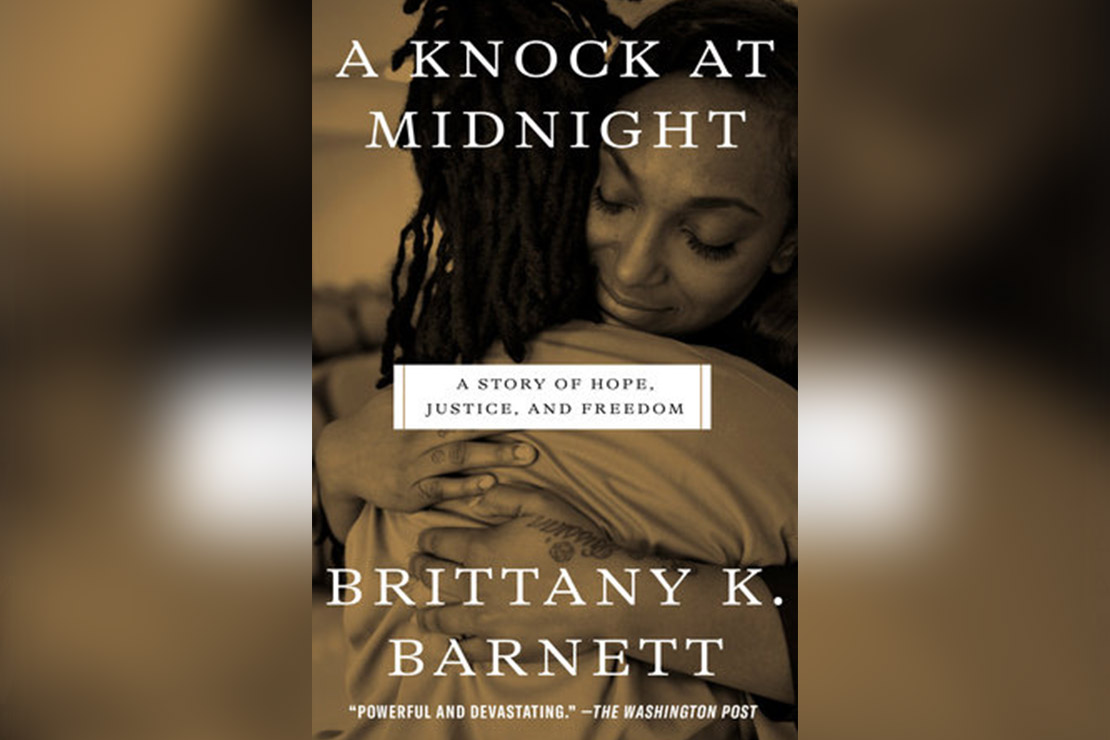
Chris Young: “A Knock at Midnight: A Story of Hope, Justice, and Freedom” by Brittany K. Barnett
Written from the perspective of a lawyer, “A Knock at Midnight” follows the case of Sharanda Jones, single mother, business owner, and a Black woman in the rural South, who was serving a life sentence without parole for a first-time drug offense.
While working in corporate law during the day, Brittany K. Barnett became moved by Jones's story and worked to help gain her freedom. This book follows a harrowing course through the criminal justice system. This book is both Barnett’s memoir, coming-of-age story, and a powerful account of bringing justice to those impacted by America’s legal system.
In Chris’s Words: “‘A Knock at Midnight’ is more than a book about injustice — it is about the human cost of laws that sends people to prison for decades, and sometimes for life, for drug offenses. Brittany K. Barnett takes us inside the lives of people buried beneath America’s federal drug laws, and inside her own work to bring them home despite being a corporate attorney by trade, showing what love, courage, and refusing to give up can make possible. I recommend this book because it reminds us that civil liberties are promises that only mean something if they belong to everyone.”
Vibe: For fans of “The New Jim Crow” by Michelle Alexander looking to dive deeper into the stories of people impacted by the American justice system.
While working in corporate law during the day, Brittany K. Barnett became moved by Jones's story and worked to help gain her freedom. This book follows a harrowing course through the criminal justice system. This book is both Barnett’s memoir, coming-of-age story, and a powerful account of bringing justice to those impacted by America’s legal system.
In Chris’s Words: “‘A Knock at Midnight’ is more than a book about injustice — it is about the human cost of laws that sends people to prison for decades, and sometimes for life, for drug offenses. Brittany K. Barnett takes us inside the lives of people buried beneath America’s federal drug laws, and inside her own work to bring them home despite being a corporate attorney by trade, showing what love, courage, and refusing to give up can make possible. I recommend this book because it reminds us that civil liberties are promises that only mean something if they belong to everyone.”
Vibe: For fans of “The New Jim Crow” by Michelle Alexander looking to dive deeper into the stories of people impacted by the American justice system.
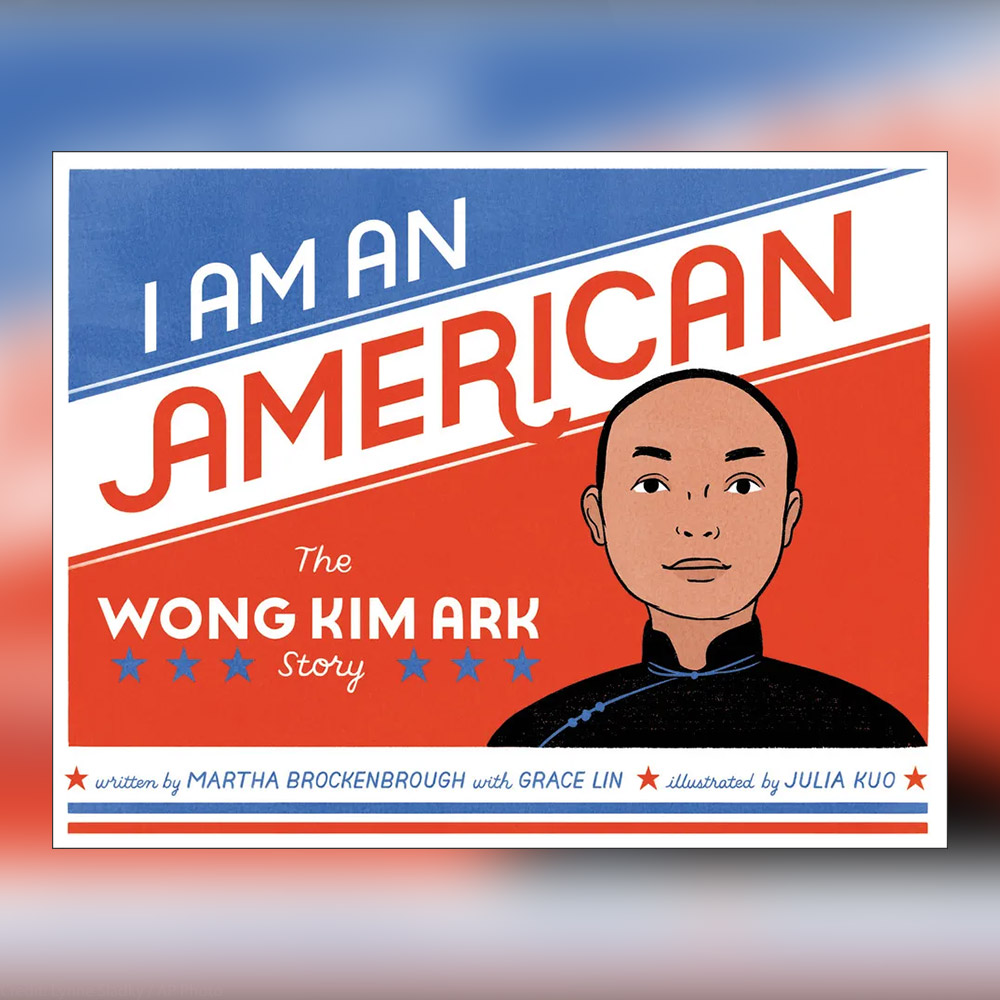
Grace Lin: “I Am an American: The Wong Kim Ark Story” by Martha Brockenbrough, Grace Lin, Julia Kuo (Illustrator)
This picture book tells the true historical story of Wong Kim Ark, who fought the U.S. government to prove his birthright citizenship — and won.
His fight against the Supreme Court affirmed access to birthright citizenship for children who were born on U.S. soil. His fight remains relevant today as the ACLU recently challenged President Donald Trump’s executive order attempting to get rid of birthright citizenship. As a result, the Supreme Court struck down President Donald Trump’s executive order attacking birthright citizenship in June.
In Grace’s Words: “Almost everyone knows that if you are born in the United States, you are a U.S. citizen, regardless of your parents’ country of origin. But most people don’t know that it almost wasn’t that way. Wong Kim Ark, an American with parents of Chinese origin, had to fight all the way to the Supreme Court to establish birthright citizenship. This book tells this often overlooked but so important piece of history to children (and adults) and shows how Asian Americans are truly a part of American history; but I personally like how it shows how one can make great change simply by standing up for what you know to be true.”
Vibe: For young readers ages 4-8 years old.
His fight against the Supreme Court affirmed access to birthright citizenship for children who were born on U.S. soil. His fight remains relevant today as the ACLU recently challenged President Donald Trump’s executive order attempting to get rid of birthright citizenship. As a result, the Supreme Court struck down President Donald Trump’s executive order attacking birthright citizenship in June.
In Grace’s Words: “Almost everyone knows that if you are born in the United States, you are a U.S. citizen, regardless of your parents’ country of origin. But most people don’t know that it almost wasn’t that way. Wong Kim Ark, an American with parents of Chinese origin, had to fight all the way to the Supreme Court to establish birthright citizenship. This book tells this often overlooked but so important piece of history to children (and adults) and shows how Asian Americans are truly a part of American history; but I personally like how it shows how one can make great change simply by standing up for what you know to be true.”
Vibe: For young readers ages 4-8 years old.
Related Issues
Related Content
-
News & CommentaryOct 2026
Civil Liberties
What 'let The Record Show' Reveals About A 200-year-old Petty Paperwork Problem That Gave Courts Its Power Today. Explore News & Commentary.What 'Let the Record Show' Reveals About a 200-Year-Old Petty Paperwork Problem That Gave Courts Its Power Today
In "Let the Record Show," the ACLU's newest podcast, we discuss how office politics gave courts the power to decide if political decisions are constitutional. It's led to an array of landmark decisions that continue to protect our civil liberties today.By: Vanessa Mbonu, Hibah Ansari -
Press ReleaseOct 2026
Civil Liberties
Aclu And Aclu Of North Carolina Launch Over $3.5 Million Campaign To Educate North Carolina Voters Ahead Of Midterm Elections. Explore Press Release.ACLU and ACLU of North Carolina Launch Over $3.5 Million Campaign to Educate North Carolina Voters Ahead of Midterm Elections
RALEIGH, N.C. – The American Civil Liberties Union of North Carolina and American Civil Liberties Union, Inc. today announced the launch of a joint campaign that will spend over $3.5 million to educate and engage North Carolina voters ahead of the Nov. 3 midterm elections. “For years, voters in North Carolina have watched as extreme politicians try over and over again to strip us of our rights – from our right to bodily autonomy to our right to fair representation,” said Liz Barber, ACLU of North Carolina director of policy and advocacy. “The ACLU is committed to ensuring that North Carolinians understand how state officials – like state supreme court justices and state legislators – can protect our rights, and where candidates for office this cycle stand on these important issues.” The organizations are spending $3.5 million on a series of statewide advertisements on social and digital media platforms and direct-to-voter mailers during the final weeks of the state Supreme Court race and key state legislative races. The advertisements will focus on educating voters about where candidates stand on key issues, including abortion rights and voting rights. This is the organizations’ largest electoral spend in North Carolina to date and will reach over 2.3 million voters. The spending is part of a multi-cycle strategy in North Carolina from the ACLU. In 2024, the ACLU of North Carolina and ACLU spent $750,000 on direct mail, digital ads, and grassroots outreach educating voters about issues at stake in the state Supreme Court and state legislative elections. The North Carolina Supreme Court is responsible for interpreting the state constitution and state laws. As the state’s highest court, it has the final say on many questions involving civil rights and civil liberties, and the North Carolina Constitution can provide broader protections than the U.S. Constitution. In 2022, for example, the court held that the North Carolina Constitution’s prohibition on cruel and unusual punishment can provide protections beyond those guaranteed by the Eighth Amendment. The ACLU of North Carolina, and ACLU are nonpartisan and do not support or oppose candidates for elected office. The organizations do, however, educate the voters about the issues at stake in elections and candidates’ positions and records on civil rights and civil liberties.Affiliate: North Carolina -
CaliforniaOct 2026
Civil Liberties
+2 Issues
Salles, Et Al. V. National Institutes Of Health, Et Al.. Explore Case.Salles, et al. v. National Institutes of Health, et al.
Salles, et al. v. National Institutes of Health, et al. is a class action lawsuit challenging the censorship and termination of federally funded research by the National Institutes of Health (NIH). While ongoing litigation in APHA v. NIH successfully resulted in the reinstatement of hundreds of grants, NIH’s current policies continue to target viewpoints it opposes, threatening research because the government dislikes what it thinks the researchers believe or are likely to say, and continue to violate governing statutes and regulations. This is stymieing critical public health research, particularly related to climate change, the starkest health disparities including those faced by communities of color and LGBTQ+ populations, and other areas.Status: Ongoing -
News & CommentaryOct 2026
Civil Liberties
+4 Issues
This Supreme Court Term: Our Rights And Freedoms At Stake. Explore News & Commentary.This Supreme Court Term: Our Rights and Freedoms at Stake
The ACLU could have its busiest Supreme Court term ever, with potential cases on immigration, voting rights, and religious freedom in schools.By: Cecillia Wang