ACLU Back-to-School Bookshelf: Our Reading List to Build a More Perfect Union


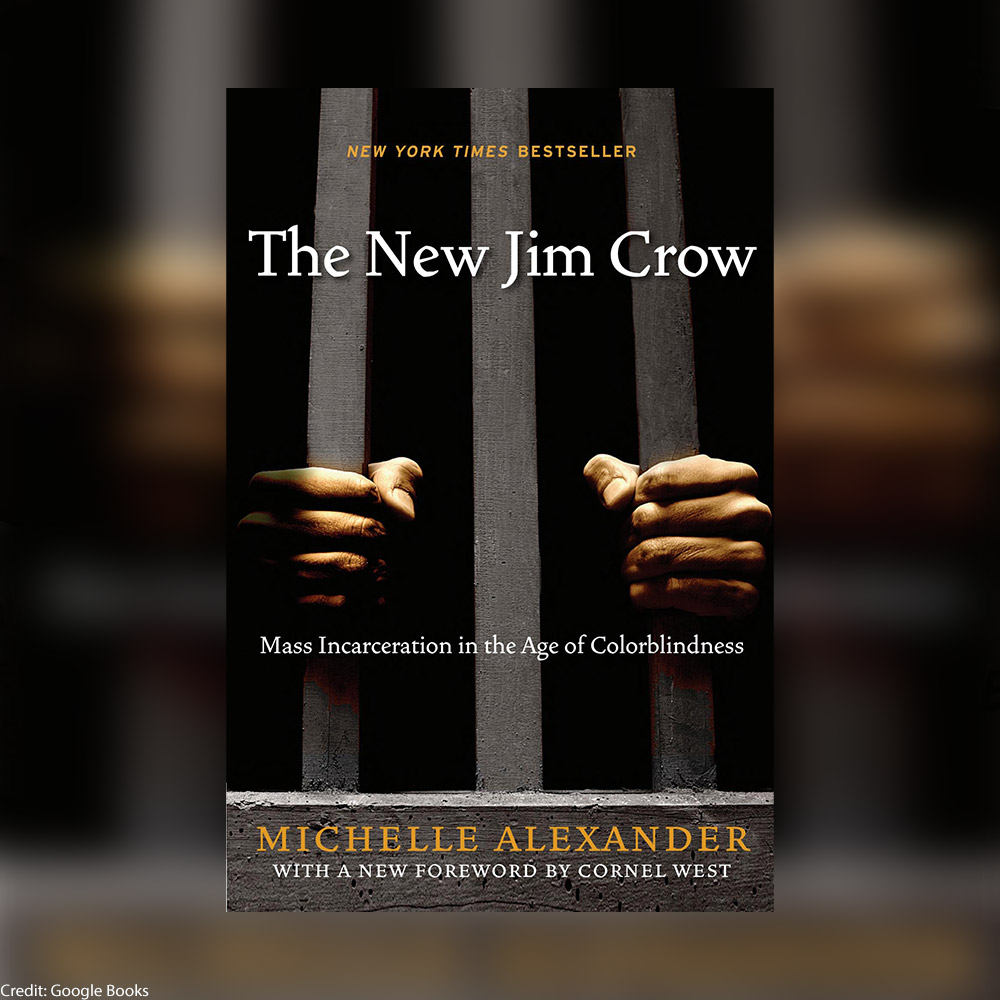
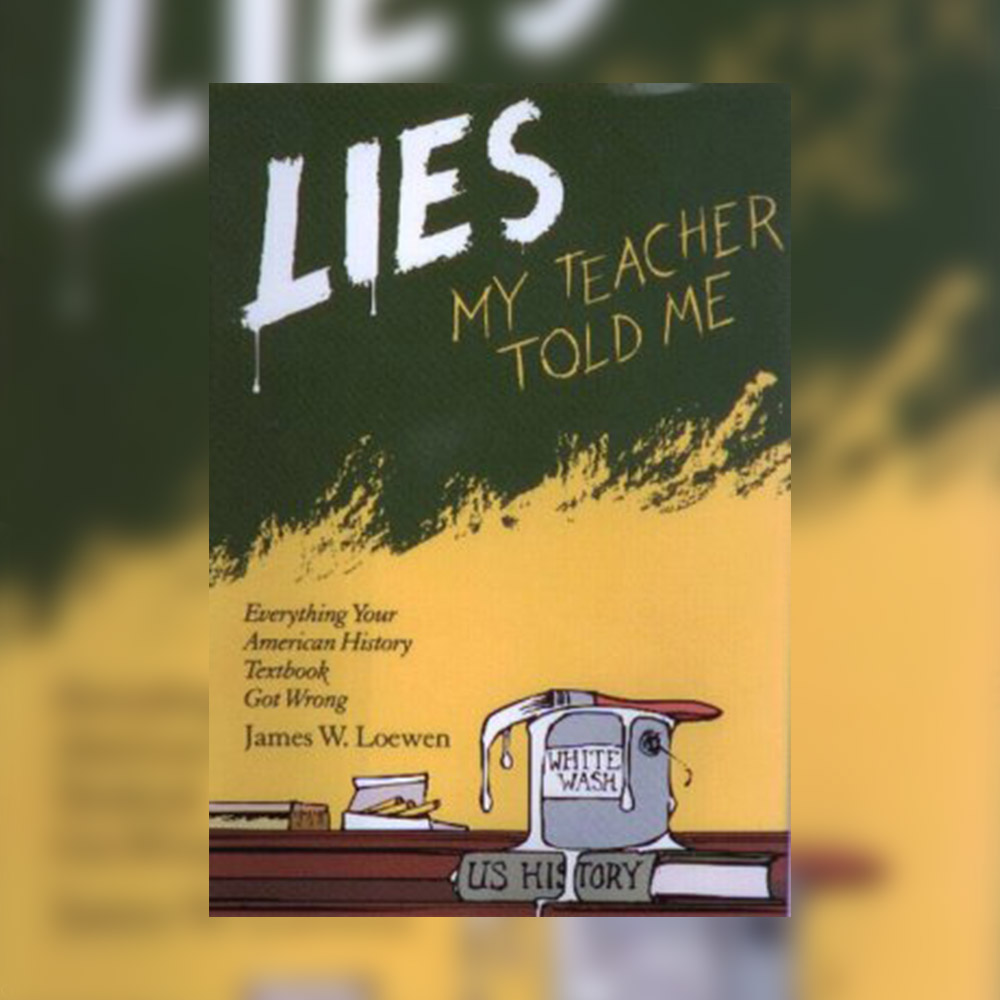
For nearly a century, the ACLU has defended the freedom to read—and to think—for every American. As the new school year begins, we’ve curated a list of books that do more than inform; they challenge us to build a more equitable future. Our selection spans social justice, history, contemporary analysis, and personal narratives, including frequently banned titles with newfound relevance.
Since 2021, thousands of book titles have been challenged or removed from school libraries, often targeting BIPOC authors, LGBTQ+ creators, and other marginalized voices. These efforts to ban books and restrict discussions—especially on race, gender, sexuality, and systemic injustice—are both unlawful and a serious threat to our right to learn.
The ACLU and our partners are fighting back. We’re challenging censorship in military schools, and in classrooms across the country. We’re also supporting legislative solutions like the Fight Book Bans Act, which would provide funding to school districts defending against censorship attempts and reaffirm that banning books is discriminatory and unconstitutional.
Our series, “ACLU Bookshelf,” lets you join our fight and pick up the texts, novels, nonfiction stories, essays and more that help us form a more perfect union — one page at a time.
So you want to read…


Related Issues
Related Content
-
CaliforniaOct 2026

Civil Liberties
+2 Issues
Salles, Et Al. V. National Institutes Of Health, Et Al.. Explore Case.Salles, et al. v. National Institutes of Health, et al.
Salles, et al. v. National Institutes of Health, et al. is a class action lawsuit challenging the censorship and termination of federally funded research by the National Institutes of Health (NIH). While ongoing litigation in APHA v. NIH successfully resulted in the reinstatement of hundreds of grants, NIH’s current policies continue to target viewpoints it opposes, threatening research because the government dislikes what it thinks the researchers believe or are likely to say, and continue to violate governing statutes and regulations. This is stymieing critical public health research, particularly related to climate change, the starkest health disparities including those faced by communities of color and LGBTQ+ populations, and other areas. -
Press ReleaseOct 2026

Free Speech
First Circuit Hears Arguments In Case Challenging Viewpoint-based Penalties In Federal Funding For The Arts. Explore Press Release.First Circuit Hears Arguments in Case Challenging Viewpoint-Based Penalties in Federal Funding for the Arts
BOSTON – The First Circuit Court of Appeals heard arguments today in Rhode Island Latino Arts v. National Endowment for the Arts, a First Amendment case challenging viewpoint-based penalties in federal arts funding. The policy at issue was blocked by a federal district court last year, and the circuit court will now decide whether to uphold that decision. “This case matters not only for artistic freedom, but also for First Amendment limits on government funding writ large,” said Vera Eidelman, senior staff attorney with the American Civil Liberties Union’s Speech, Privacy, and Technology Project. “The government has no affirmative obligation to fund private speech, including art—but once it does, it can’t pick and choose who receives financial support based on viewpoint. Otherwise, the government could leverage its enormous financial resources to impose ideological conformity across society. That would discourage free thinking, dampen creativity, and make for worse art—the opposite of everything Congress intended to do when it created the NEA.” The lawsuit was originally filed in early 2025 by a group of theater and arts organizations after the NEA forced applicants to attest that they would not use government funds to promote “gender ideology,” and made any project that the government perceived as “promoting gender ideology” ineligible for funding. That policy was in response to an executive order signed by President Trump prohibiting government funds from being used to promote “gender ideology.” After the ACLU filed suit, the NEA rescinded that policy and imposed a new one, which categorically disfavors funding for any project deemed to “promote gender ideology.” “When RILA agreed to become lead plaintiff in this case, we knew the issue was bigger than us as a Latino cultural organization and bigger than the arts. We stepped forward because artists should never have to choose between access to public funding and the freedom to tell their stories fully and honestly,” said Marta V. Martínez, executive director of Rhode Island Latino Arts. “RILA is not an organization centered on gender identity, but LGBTQ+ artists are part of our community, and protecting their freedom of expression is part of our responsibility to all the artists we serve. If public funding can be conditioned on whether an organization’s work aligns with a particular ideological viewpoint, that has implications far beyond the arts. Today, it’s about NEA funding, but tomorrow it could affect other sectors and communities. For RILA, this has always been about protecting the freedom to create and fully tell our stories.” The plaintiffs argue that the restrictions violate the First Amendment and the Administrative Procedure Act. Meanwhile, the government argues that its funding decisions are government speech, and that considering viewpoints is consistent with the law that established the NEA. The government is relying on similar arguments in its attempts to restrict and terminate grants by other agencies, including in the realms of biomedical research and the humanities. The court’s decision in this case could therefore have implications for federal funding restrictions far beyond the arts. “This case will have ramifications well beyond just artists, as it will lay out the standards of whether the government can require ideological uniformity as a condition of federal funding” said Steven Brown, executive director of the ACLU of Rhode Island. “We will continue to show up and challenge the federal government’s censorial and unconstitutional restriction on speech and artistic freedom.” The ACLU, the ACLU of Rhode Island, David Cole, and Lynette Labinger, cooperating counsel for the ACLU-RI, filed suit last year in the U.S. District Court of Rhode Island on behalf of Rhode Island Latino Arts, National Queer Theater, The Theater Offensive, and the Theater Communications Group. You can read more about the case here. -
Press ReleaseOct 2026
Free Speech
Government Recognizes Catsonacouch Creator’s Right To Attend Public Events. Explore Press Release.Government Recognizes CatsOnACouch Creator’s Right to Attend Public Events
PORTLAND, Maine — In a win for the First Amendment, government officials declared that Amanda McGonigle, creator of the social media accounts @CatsOnACouch, will be permitted to attend official vice-presidential events for which she registers, subject to the same rules applicable to all attendees. A senior official in the Office of the Vice President also committed in court documents to respect all registrants’ First Amendment rights, stating “[a]ttendees will not be prevented from attending official events based on protected expression or speech.” Ms. McGonigle therefore asked the court today to dismiss her lawsuit challenging her exclusion from an official government event based on her social media content criticizing the vice president. “No matter how many times I call Vice President Vance a soggy saltine on social media, I have the right to attend official vice-presidential events that I’ve registered for, just like any other member of the public,” said Amanda McGonigle. “Dissent is patriotic, and so is showing up to official vice-presidential events wearing a t-shirt stating, ‘jd vance cured my imposter syndrome.’ Our voice is our power, and I hope people will continue to use it knowing that when it comes to events like these and holding the administration accountable, the First Amendment is on our side.” In May of this year, McGonigle registered to attend an official vice-presidential event in Bangor, Maine, but was prevented from entering the event. While in line for that event, armed Secret Service agents and other government officials called her out by name and told her she wasn’t allowed in, stating “we know where you stand.” She was previously denied confirmation details to attend another official event in Des Moines, Iowa. McGonigle filed suit earlier this summer to challenge the government’s retaliation and viewpoint-based discrimination against her. McGonigle claimed that she was excluded from the events in Bangor and Des Moines because of commentary she posts on her social media accounts, which are dedicated to criticizing the Vice President. She launched her @CatsOnACouch accounts after Vice President Vance’s infamous “childless cat lady” comment in 2024, and she says the purpose of the account is “to have more followers than JD Vance by the time he leaves office and to troll him mercilessly every single day.” “The First Amendment has always required that Amanda be treated like anyone else at public, vice-presidential events, no matter how much the government dislikes her speech,” said Anahita Sotoohi, staff attorney at the ACLU of Maine. “The government has now affirmatively recognized that constitutional requirement, by stating in a court filing that it will not bar Amanda, or any other member of the public, from public events just because it doesn’t like what they have to say. We are glad that Amanda can now attend official vice-presidential events like any other member of the public. Her challenge has put the government on record committing to respect all people’s First Amendment rights at official events.” In August, government officials allowed Ms. McGonigle to attend an official speaking engagement hosted by Vice President Vance in Brewer, Maine, after the ACLU and ACLU of Maine requested a preliminary injunction to allow her to attend future official vice-presidential events. The government agreed she could attend the event in Brewer, just like any other member of the public who registered. Ms. McGonigle entered the event without interference, wearing a t-shirt stating, “jd vance cured my imposter syndrome.” “The First Amendment doesn’t allow the government to bar people from attending official vice-presidential events on the basis of their protected speech,” said Laura Moraff, staff attorney with the American Civil Liberties Union. “We’re glad the federal government recognized that Amanda has the right to attend public vice-presidential events that she registers for just like everyone else.” -
Press ReleaseOct 2026
Immigrants' Rights
+3 Issues
New Aclu Report Sounds The Alarm On How Trump Administration’s Mass Deportation Agenda Is Eroding Democracy. Explore Press Release.New ACLU Report Sounds the Alarm on How Trump Administration’s Mass Deportation Agenda is Eroding Democracy
WASHINGTON — The American Civil Liberties Union today released a new report, 76 Ways Mass Deportation is Breaking Our Democracy, detailing how the Trump administration is using mass deportation as the pretext and mechanism to attack civil liberties and structural democratic safeguards at an unparalleled scale and speed. The report comes as Immigration and Customs Enforcement (ICE) arrests have hit a record high, as the Trump administration has shifted its approach from mass raids to more discrete arrests following widespread outrage. From the deployment of federal agents and military troops for immigration enforcement in U.S. cities, to the mass revocation of visas and other forms of lawful status, and the targeting of immigrants’ rights protesters, the Trump administration has repeatedly used immigration policy as a trojan horse for attacks on core pillars of U.S. democracy. Notably, the report categorizes the dizzying array of abuses into three major categories, which often overlap: Attacks on civil rights and liberties, as the Trump administration has used mass deportations as both a pretext and distraction for its assault on myriad constitutional rights – including the rights to free speech and freedom of assembly and due process – impacting citizens and noncitizens alike. Attacks on democratic checks and balances, as the administration expands its federal deportation police and executive power, eviscerating due process for immigrants and normalizing ICE’s violence, while evading and even defying court orders. Attacks on multiracial, pluralistic democracy, as the administration continues to gut existing legal protections and introduce new policies targeting people who are immigrants – including through visa and entry bans and efforts to end birthright citizenship and Temporary Protected Status (TPS) – in what appears to be a calculated attempt to change the racial makeup of the U.S. now and into the future. “For the past year and a half, the ACLU and advocates have warned that the Trump administration’s mass deportation agenda pulls straight from an authoritarian playbook – and now, we’re seeing the devasting impacts of those policies, with citizens and noncitizens alike paying the price and the state of our democracy in crisis,” said Naureen Shah, director of immigration policy and government affairs at the ACLU. “This report is a clarion call to members of Congress to strengthen and repair our pluralistic, multiracial democracy by passing meaningful immigration reforms. That must include creating a broad path to citizenship for immigrants who contribute to our communities and our economy.” Within the report, the ACLU also calls on members of Congress to restore and defend democratic rights and norms through transformative immigration reform, including by creating a broad path to citizenship and modernization of border processing and policies. It also calls on lawmakers to build stronger accountability, transparency and oversight measures to effectively compel the executive branch to uphold civil rights and civil liberties. “From the cancellation of Congressionally mandated protections like TPS to the arrest of noncitizen students for exercising their First Amendment rights, the Trump administration has repeatedly violated bedrock democratic principles under the guise of immigration enforcement,” said Sarah Mehta, deputy director of immigration policy and government affairs at the ACLU. “As this administration has shown, no one is safe from its extreme mass deportation agenda. Our elected officials – and the state of our democracy – cannot afford to allow this lawlessness to continue. The time to act is now.” This report is the fourth in the ACLU’s affirmative immigration vision series, in which policy and legal experts explore how the Trump administration’s immigration agenda has harmed communities nationwide, undermined our democracy, and wreaked havoc on key industries and weakened the American workforce. The series will also outline steps that members of Congress, as well as state and local policymakers, can take to reform the U.S. immigration system and inoculate against future attacks on core rights and safety. You can read the full report here: https://www.aclu.org/publications/76-ways-mass-deportation-is-breaking-our-democracy