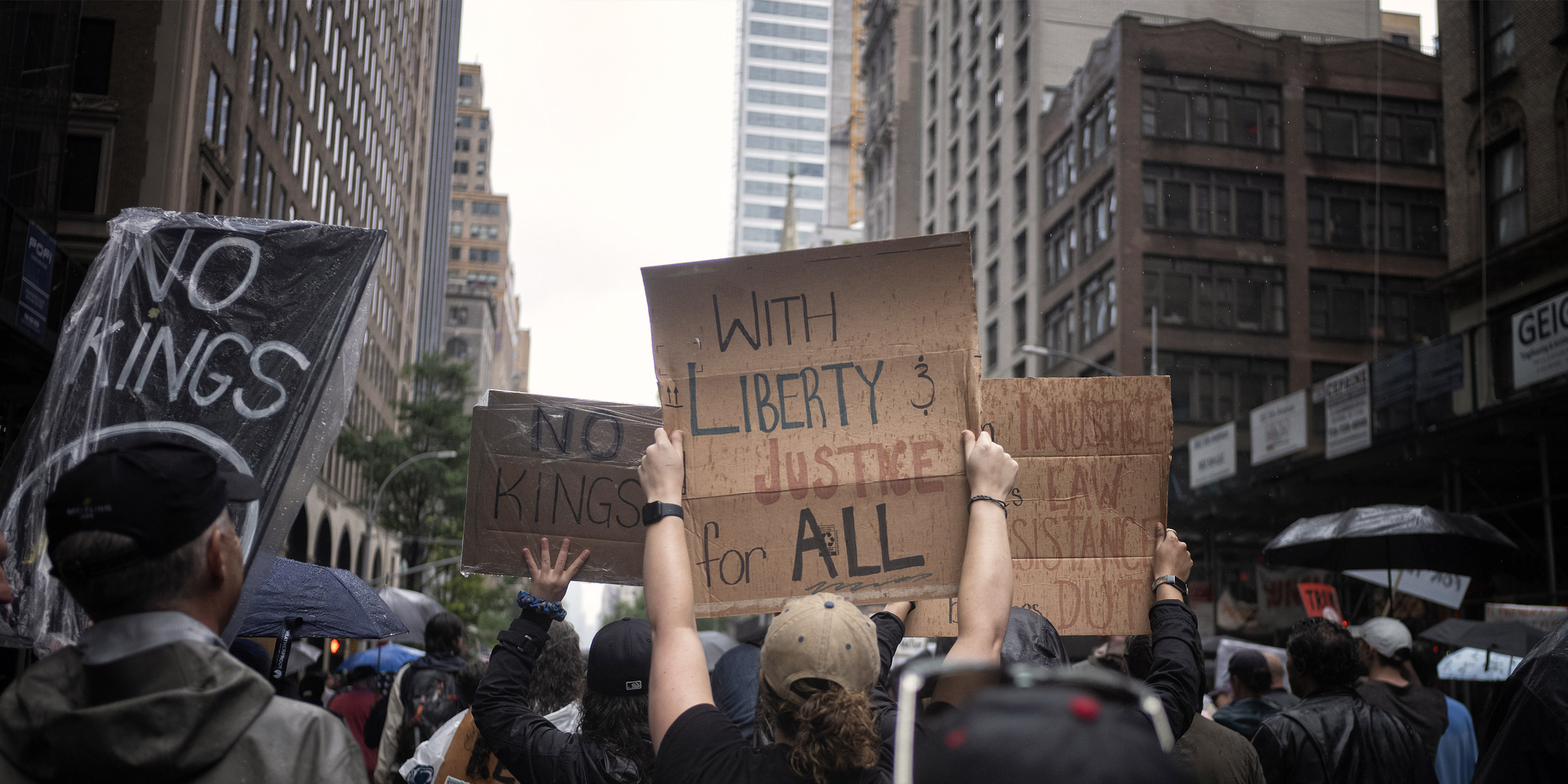
No Kings: Know Your Rights When Protesting
Once again, we are taking to the streets to protest against authoritarian attacks on our democracy — and the ACLU wants to make sure you feel as informed and empowered as possible. Brush up on your rights below and check out other ways that you can take action locally.
Concerned about police surveillance? Click here to read our recommendations for protecting your privacy while protesting.
Know your rights as you hit the streets
How else can I take action?
Take Action With ACLU People Power
People Power is the ACLU's platform for grassroots action, where volunteers like you mobilize communities across the country to defend and advance civil liberties and civil rights for all.
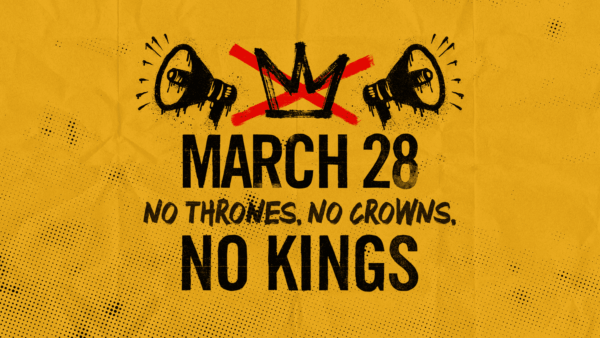
Learn More About No Kings
As the president escalates his authoritarian power grab, the NO KINGS non-violent movement continues to rise stronger. We are united once again to...
Watch this video to learn more about your right to record ICE and federal agents

This embed will serve content from {{ domain }}.
See our privacy statement
How to defend against police surveillance at protests
The following are basic tips to protect your privacy before, during, and after a protest. Protecting your privacy will help keep yourself, your information, and other protesters safe.
- Fully encrypt the data on your phone. If your device is confiscated by police, or if it is lost or stolen, full-disk encryption can help protect the information on your phone.
- Disable face and fingerprint recognition. Disabling both face and fingerprint recognition make it more difficult for officers to physically force you to unlock your device with your face or fingerprint and see information about yourself, your family, and the people that you care about.
- Put your phone on airplane mode. Enabling airplane mode when you are not communicating reduces the amount of radio signals your device transmits while you are protesting and limits your location from being tracked.
- Leave your car at home. Police use automated license plate readers to track protestors. If you can, ride a bicycle or walk to the protest to prevent your license plate being tracked.
- Be mindful of posting photos and videos of other protesters. If you post photos or videos online where protesters’ faces, tattoos, or unique clothing are identifiable, police may track down, arrest, or harass those protesters. Blur faces and these identifiers before posting online. If live-streaming, avoid capturing people's faces.
- Scrub metadata from your photos. Metadata allow police to figure out the exact time and location a photo was taken, the model of the device the photo was taken on, and even your name. Transfer the photo to your computer and take a screenshot. Post the screenshot, not the original photo.
- Back up your data. If the police take away your phone, you may not get it back easily. Back up your data regularly and store that backup in a safe place.