Racial Justice
The Racial Justice Program (RJP) fights to eradicate racial injustice in the U.S. and works to foster a society in which people of color and communities of color have full access to the rights and benefits of American society. Working with affected communities, RJP litigates, advocates, and educates to strike at the roots of racial injustice.
What you need to know

The Latest

Explore More
What We're Focused On
-

Accountability in Artificial Intelligence
The Racial Justice Program engages in litigation and advocacy to challenge artificial intelligence’s (AI) power to preserve and exacerbate systemic racism and other inequities, and to work toward building more equitable systems, particularly in the areas of employment, housing, and credit.
-

Anti-colonialism
The Racial Justice Program challenges laws, policies and legal precedent that discriminate against residents of the United States territories: American Samoa, Guam, the Commonwealth of the Northern Mariana Islands, Puerto Rico, and the U.S. Virgin Islands.
-
Diversity and Inclusion in Higher Education
The ACLU Racial Justice Program supports and advocates for admissions policies that increase access to underrepresented groups who face systemic barriers to higher education and acknowledge students’ relevant experiences with race, and recognizes colleges and universities responsibility to open campuses to students of color, even after the Supreme Court’s ruling against affirmative action.
-
Indigenous Justice
The ACLU is committed to defending tribal sovereignty and the rights of Indigenous peoples to be free from discrimination and governmental abuse of power.
-
Race and Criminal Justice
The ACLU works to reduce the number of people incarcerated, surveilled and criminalized by law enforcement and in the courts, and aims to address the root causes of crime, such as poverty and lack of opportunity.
-
Race and Economic Justice
Through litigation and advocacy, the ACLU works to remedy deeply entrenched sources of inequality and ensure that access to opportunity and the ability to build wealth is available to all.
-
Race and Inequality in Education
The ACLU works in courts, legislatures, and communities to defend and preserve the individual rights and liberties that the Constitution and the laws of the United States guarantee everyone in this country.
-
School-to-Prison Pipeline
The ACLU is committed to challenging the “school-to-prison pipeline,” a disturbing national trend wherein children, particularly Black and Brown students and students with disabilities, are funneled out of public schools and into the juvenile and criminal legal systems.
What's at Stake
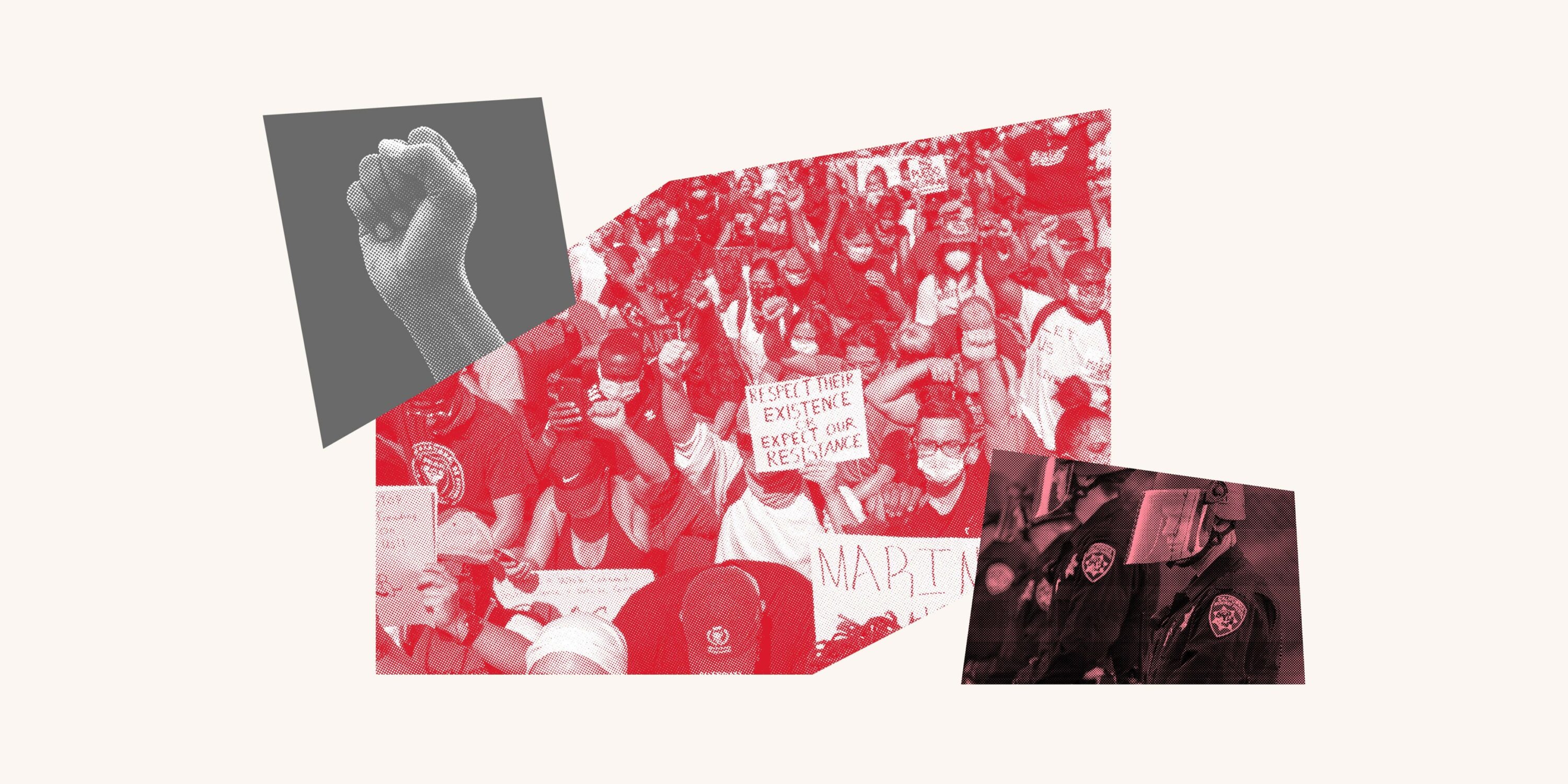
Though generations of civil rights activism have led to important gains in legal, political, social, educational, and other spheres, the forced removal of Indigenous peoples and the institution of slavery marked the beginnings of a system of racial injustice from which our country has yet to break free.
Deep-seated systemic racism and inequities that disadvantaged communities of color are still woven into the fabric of our institutions today — from education and housing to our criminal legal system. Systemic racism permeates the starkly segregated world of housing. In our public schools, students of color are too often confined to racially isolated, underfunded, and inferior programs. Our criminal legal system disproportionately targets and subjects people of color to police brutality, incarcerates them and imposes numerous collateral consequences, and criminalizes poverty. The dream of equal justice remains an elusive one.
The Racial Justice Program strives to create a world where “we the people” truly means all us — this means dismantling systemic racism and working to repair centuries of harm inflicted on communities of color. The Racial Justice Program brings impact lawsuits in state and federal courts throughout the country, taking on cases designed to have a significant and wide-reaching effect on communities of color. In coalition with ACLU affiliates in each state, other civil rights groups, and local advocates, we lobby in local and state legislatures and support grassroots movements. Through these efforts, we strive to educate and empower the public on a variety of issues, including race as it relates to the criminal legal system, economic justice, and inequality in education; affirmative action; and Indigenous justice.
Though generations of civil rights activism have led to important gains in legal, political, social, educational, and other spheres, the forced removal of Indigenous peoples and the institution of slavery marked the beginnings of a system of racial injustice from which our country has yet to break free.
Deep-seated systemic racism and inequities that disadvantaged communities of color are still woven into the fabric of our institutions today — from education and housing to our criminal legal system. Systemic racism permeates the starkly segregated world of housing. In our public schools, students of color are too often confined to racially isolated, underfunded, and inferior programs. Our criminal legal system disproportionately targets and subjects people of color to police brutality, incarcerates them and imposes numerous collateral consequences, and criminalizes poverty. The dream of equal justice remains an elusive one.
The Racial Justice Program strives to create a world where “we the people” truly means all us — this means dismantling systemic racism and working to repair centuries of harm inflicted on communities of color. The Racial Justice Program brings impact lawsuits in state and federal courts throughout the country, taking on cases designed to have a significant and wide-reaching effect on communities of color. In coalition with ACLU affiliates in each state, other civil rights groups, and local advocates, we lobby in local and state legislatures and support grassroots movements. Through these efforts, we strive to educate and empower the public on a variety of issues, including race as it relates to the criminal legal system, economic justice, and inequality in education; affirmative action; and Indigenous justice.