Location Tracking
The ACLU works in courts, legislatures, and communities to defend and preserve the individual rights and liberties that the Constitution and the laws of the United States guarantee everyone in this country.

The Latest
-
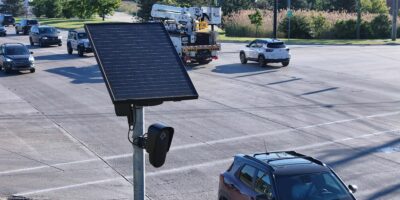
Flock Safety Credibility Lost as it Repeatedly Lies to City Councils, Police Departments, and Public Across the Country
-


ACLU Applauds Important Supreme Court Decision Making Clear Location Data is Protected by the Constitution
-
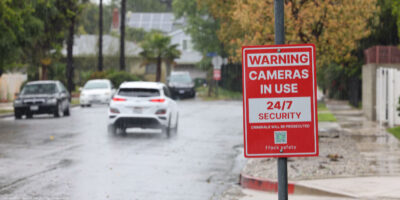
How to Fight Deployment of Flock and Other Mass Surveillance License Plate Readers in Your Community
-

Surveillance is Driving a Corporatization of Police Departments
Explore More
What We're Focused On
-

Automatic License Plate Readers
The ACLU works in courts, legislatures, and communities to defend and preserve the individual rights and liberties that the Constitution and the laws of the United States guarantee everyone in this country.
-
Cell Phone Privacy
The ACLU works in courts, legislatures, and communities to defend and preserve the individual rights and liberties that the Constitution and the laws of the United States guarantee everyone in this country.
What's at Stake
Law enforcement is taking advantage of outdated privacy laws to track Americans like never before. New technologies can record your every movement, revealing detailed information about how you choose to live your life. Without the right protections in place, the government can gain access to this information—and your private life—with disturbing ease.
As long as it is turned on, your mobile phone registers its position with cell towers every few minutes, whether or not the phone is in use. Since mobile carriers are retaining location data on their customers, government officials—often without a warrant from a judge—can obtain detailed personal information about you by accessing your location history from your cell phone company. In tandem with information from other location-tracking technologies (like automatic license plate readers), this information can tell the government an enormous deal about you, ranging from which friends you’re seeing to where you go to the doctor to how often you go to church.
Freedom from unreasonable government snooping has always been a foundation of liberty in America. Through coordinated open-government laws like the Freedom of Information Act, the ACLU has uncovered the location-tracking policies and practices of hundreds of state and local police departments. We have also litigated in courts across the country to advocate for a warrant requirement for historical and real-time location information and lobbied in the U.S. Congress for the passage of the Geolocation Privacy and Surveillance (GPS) Act.
Law enforcement is taking advantage of outdated privacy laws to track Americans like never before. New technologies can record your every movement, revealing detailed information about how you choose to live your life. Without the right protections in place, the government can gain access to this information—and your private life—with disturbing ease.
As long as it is turned on, your mobile phone registers its position with cell towers every few minutes, whether or not the phone is in use. Since mobile carriers are retaining location data on their customers, government officials—often without a warrant from a judge—can obtain detailed personal information about you by accessing your location history from your cell phone company. In tandem with information from other location-tracking technologies (like automatic license plate readers), this information can tell the government an enormous deal about you, ranging from which friends you’re seeing to where you go to the doctor to how often you go to church.
Freedom from unreasonable government snooping has always been a foundation of liberty in America. Through coordinated open-government laws like the Freedom of Information Act, the ACLU has uncovered the location-tracking policies and practices of hundreds of state and local police departments. We have also litigated in courts across the country to advocate for a warrant requirement for historical and real-time location information and lobbied in the U.S. Congress for the passage of the Geolocation Privacy and Surveillance (GPS) Act.