Fighting Voter Suppression
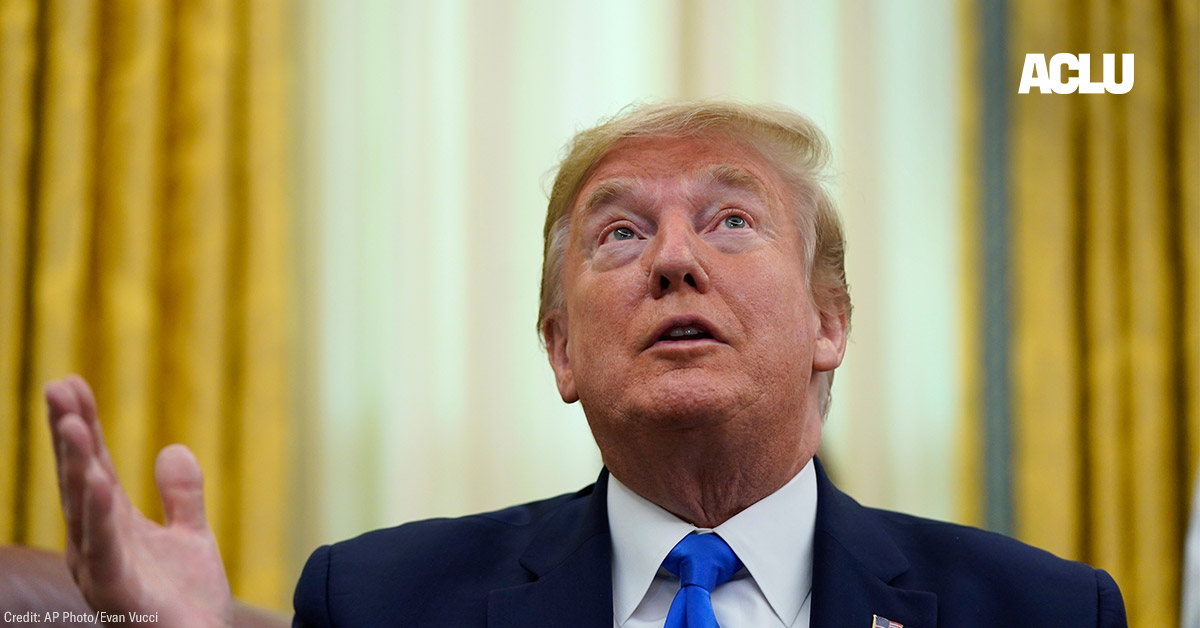
League of Women Voters of Massachusetts v. Trump
On March 31, 2026, President Trump issued a sweeping Executive Order titled "Ensuring Citizen Verification and Integrity in Federal Elections," seeking once again to seize control of election administration from Congress and the states. The Order directs federal agencies to compile lists of U.S. citizens and transmit them to states before every election, directs the U.S. Postal Service -- an independent agency established by Congress -- to create a list of "approved" mail voters, and instructs USPS to refuse to deliver ballots from voters not on that federally created list. If implemented, the Order would threaten the ability of millions of eligible citizens to cast their ballots, particularly military members, overseas citizens, the elderly, recently naturalized citizens, and voters with disabilities who rely on mail voting.
Status: Ongoing
View Case
Learn About Fighting Voter Suppression
Featured
New Hampshire
Jul 2026
Fighting Voter Suppression
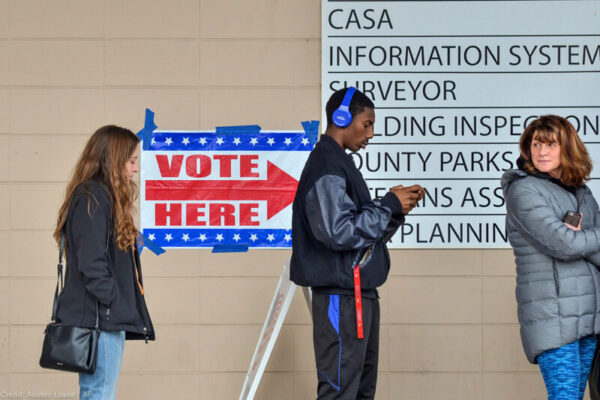
Coalition for Open Democracy v. Scanlan
This lawsuit challenges HB 1569, a new law that will make New Hampshire the only state to require every person to produce documentary proof of citizenship when they register to vote for both state and federal elections. It also challenges HB 1569’s elimination a preexisting protection for voters—namely, an affidavit option that allowed voters who faced surprise challenges to their eligibility at the polls to swear to their qualifications and cast a ballot. Accordingly, HB 1569 violates the First and Fourteenth Amendments of the U.S. Constitution by placing substantial burdens on New Hampshirites at all stages of the voting process, and will arbitrarily disenfranchise hundreds, if not thousands of qualified voters.
Washington, D.C.
Oct 2025

Fighting Voter Suppression
League of Women Voters Education Fund v. Trump
On March 25, 2025, in a sweeping and unprecedented Executive Order, President Trump attempted to usurp the power to regulate federal elections from Congress and the States. Among other things, the Executive Order directs the Election Assistance Commission—an agency that Congress specifically established to be bipartisan and independent—to require voters to show a passport or other citizenship documentation in order to register to vote in federal elections. If implemented, the Executive Order would threaten the ability of millions of eligible Americans to register and vote and upend the administration of federal elections.
On behalf of leading voter registration organizations and advocacy organizations, the ACLU and co-counsel filed a lawsuit to block the Executive Order as an unconstitutional power grab.
All Cases
102 Fighting Voter Suppression Cases
Georgia
Dec 2024
Fighting Voter Suppression
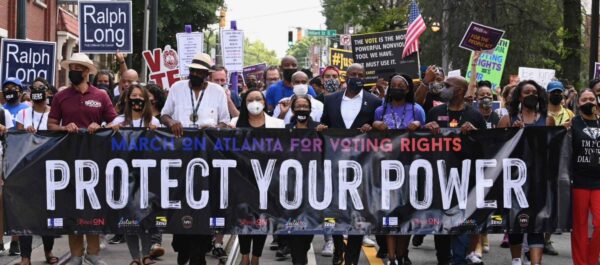
Sixth District of the African Methodist Episcopal Church v. Kemp
Civil rights groups filed a federal lawsuit on March 29, 2021, against Georgia’s sweeping law that makes it much harder for all Georgians to vote, particularly voters of color and voters with disabilities. This law spans all aspects of Georgia’s voting process, including imposing a criminal ban on providing food and water to voters waiting in line, limiting dropbox access and ballot return assistance, rejecting absentee ballots for forgetting to add a birthdate to an envelope or for failing to provide more restrictive identifying information or photo ID copies along with absentee ballots. Premised on low voter confidence and born out of the Big Lie about the 2020 election, this law targets methods of voting disproportionately used more and more by Black voters and others voters of color just as they began to exercise greater political power.
Explore case
Georgia
Dec 2024
Fighting Voter Suppression
Sixth District of the African Methodist Episcopal Church v. Kemp
Civil rights groups filed a federal lawsuit on March 29, 2021, against Georgia’s sweeping law that makes it much harder for all Georgians to vote, particularly voters of color and voters with disabilities. This law spans all aspects of Georgia’s voting process, including imposing a criminal ban on providing food and water to voters waiting in line, limiting dropbox access and ballot return assistance, rejecting absentee ballots for forgetting to add a birthdate to an envelope or for failing to provide more restrictive identifying information or photo ID copies along with absentee ballots. Premised on low voter confidence and born out of the Big Lie about the 2020 election, this law targets methods of voting disproportionately used more and more by Black voters and others voters of color just as they began to exercise greater political power.
Arizona
Nov 2024
Fighting Voter Suppression
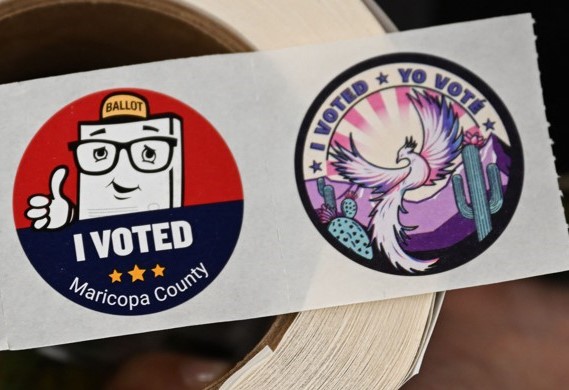
American Civil Liberties Union of Arizona v. Richer
We sued elections officials in Arizona to extend the mail ballot “cure” deadline after ballot processing delays threatened to disenfranchise thousands of voters without notice.
Explore case
Arizona
Nov 2024
Fighting Voter Suppression
American Civil Liberties Union of Arizona v. Richer
We sued elections officials in Arizona to extend the mail ballot “cure” deadline after ballot processing delays threatened to disenfranchise thousands of voters without notice.
Georgia
Nov 2024
Fighting Voter Suppression
Ayota v. Fall
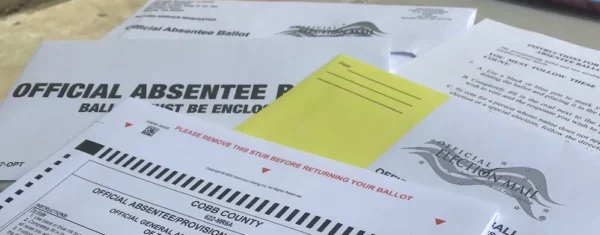
On October 31, 2024, just five days before the November 5 General Election, Cobb County announced that it had failed to send more than 3,000 absentee ballots to Cobb County voters who had timely requested them. Many of these voters are at school hundreds of miles away or have disabilities that make it all but impossible to vote in person. The ACLU and co-counsel sued on behalf of affected voters to ensure that they would not be disenfranchised because of the County's administrative error.
Explore case
Georgia
Nov 2024
Fighting Voter Suppression
Ayota v. Fall
On October 31, 2024, just five days before the November 5 General Election, Cobb County announced that it had failed to send more than 3,000 absentee ballots to Cobb County voters who had timely requested them. Many of these voters are at school hundreds of miles away or have disabilities that make it all but impossible to vote in person. The ACLU and co-counsel sued on behalf of affected voters to ensure that they would not be disenfranchised because of the County's administrative error.
South Carolina
Oct 2024
Fighting Voter Suppression
American Civil Liberties Union of South Carolina v. State Election Commission
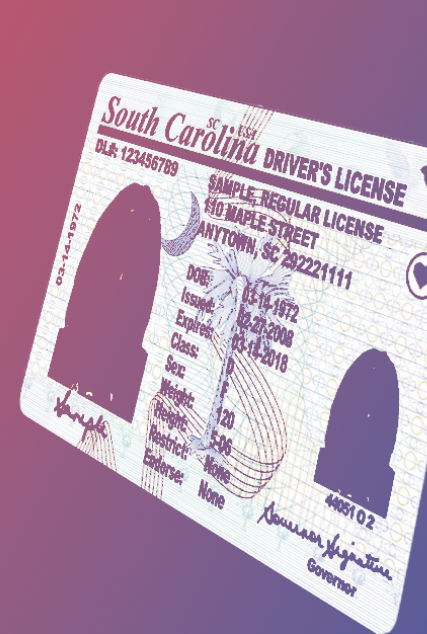
The South Carolina Department of Motor Vehicles (SCDMV) has unlawfully denied young, eligible South Carolinians the opportunity to register to vote. Under South Carolina law, individuals who are 17 years old may register to vote and vote in primary elections so long as they (1) will turn 18 on or before the next general election, and (2) otherwise meet the qualifications for voting. An administrative error in the SCDMV's processes, however has stopped the Department from transmitting the proper paperwork to complete all registration information to the South Carolina Elections Commission. As a result, thousands of young voters who did everything right and should have been registered to vote have not been added to the state's voter rolls in the runup to the 2024 general election. ACLU and ACLU of South Carolina sued, asking the court to ensure that these new voters are registered and properly notified in time for them to vote in the November 2024 election.
Explore case
South Carolina
Oct 2024
Fighting Voter Suppression
American Civil Liberties Union of South Carolina v. State Election Commission
The South Carolina Department of Motor Vehicles (SCDMV) has unlawfully denied young, eligible South Carolinians the opportunity to register to vote. Under South Carolina law, individuals who are 17 years old may register to vote and vote in primary elections so long as they (1) will turn 18 on or before the next general election, and (2) otherwise meet the qualifications for voting. An administrative error in the SCDMV's processes, however has stopped the Department from transmitting the proper paperwork to complete all registration information to the South Carolina Elections Commission. As a result, thousands of young voters who did everything right and should have been registered to vote have not been added to the state's voter rolls in the runup to the 2024 general election. ACLU and ACLU of South Carolina sued, asking the court to ensure that these new voters are registered and properly notified in time for them to vote in the November 2024 election.
Wisconsin
Oct 2024
Fighting Voter Suppression
Eucke v. Wisconsin Elections Commission
Just weeks before Election Day, three individuals filed a lawsuit asking a court to initiate an improper purge of Milwaukee voters from the voter rolls. We moved to intervene to protect voters from being purged based on unreliable information.
Explore case
Wisconsin
Oct 2024
Fighting Voter Suppression
Eucke v. Wisconsin Elections Commission
Just weeks before Election Day, three individuals filed a lawsuit asking a court to initiate an improper purge of Milwaukee voters from the voter rolls. We moved to intervene to protect voters from being purged based on unreliable information.