Privacy and Surveillance
The ACLU works in courts, legislatures, and communities to defend and preserve the individual rights and liberties that the Constitution and the laws of the United States guarantee everyone in this country.
The Latest



Explore More
What We're Focused On
-

Ideological Exclusion
The ACLU works in courts, legislatures, and communities to defend and preserve the individual rights and liberties that the Constitution and the laws of the United States guarantee everyone in this country.
-
NSA Surveillance
The ACLU works in courts, legislatures, and communities to defend and preserve the individual rights and liberties that the Constitution and the laws of the United States guarantee everyone in this country.
-
Surveillance by Other Agencies
The ACLU works in courts, legislatures, and communities to defend and preserve the individual rights and liberties that the Constitution and the laws of the United States guarantee everyone in this country.
-
Watchlists
The ACLU works in courts, legislatures, and communities to defend and preserve the individual rights and liberties that the Constitution and the laws of the United States guarantee everyone in this country.
What's at Stake
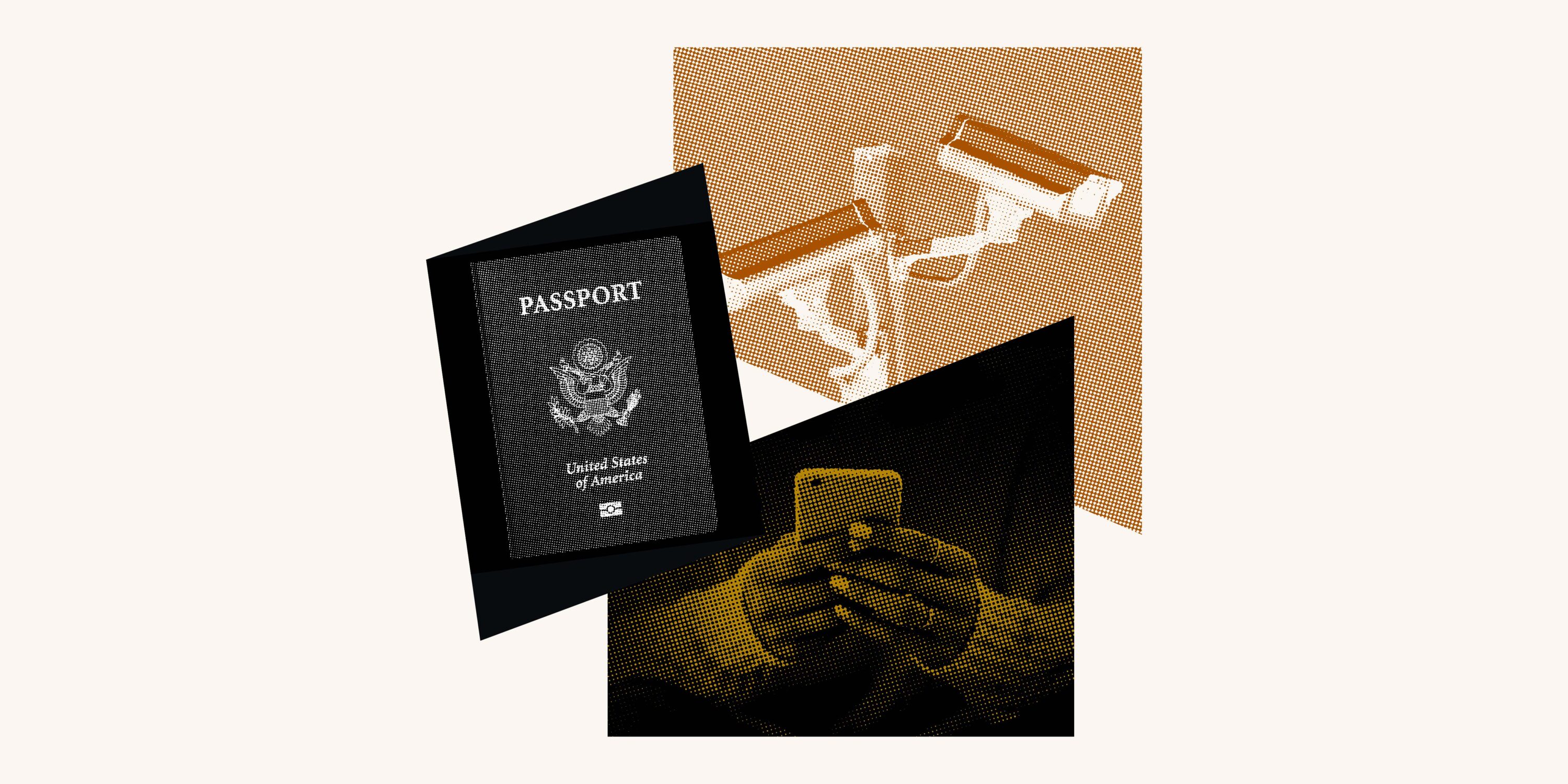
Privacy today faces growing threats from a growing surveillance apparatus that is often justified in the name of national security. Numerous government agencies—including the National Security Agency, the Federal Bureau of Investigation, the Department of Homeland Security, and state and local law enforcement agencies—intrude upon the private communications of innocent citizens, amass vast databases of who we call and when, and catalog “suspicious activities” based on the vaguest standards.
The government’s collection of this sensitive information is itself an invasion of privacy. But its use of this data is also rife with abuse. Innocuous data is fed into bloated watchlists, with severe consequences—innocent individuals have found themselves unable to board planes, barred from certain types of jobs, shut out of their bank accounts, and repeatedly questioned by authorities. Once information is in the government’s hands, it can be shared widely and retained for years, and the rules about access and use can be changed entirely in secret without the public ever knowing.
Our Constitution and democratic system demand that the government be transparent and accountable to the people, not the other way around. History has shown that powerful, secret surveillance tools will almost certainly be abused for political ends and turned disproportionately on disfavored minorities.
The ACLU has been at the forefront of the struggle to prevent the entrenchment of a surveillance state by challenging the secrecy of the government’s surveillance and watchlisting practices; its violations of our rights to privacy, free speech, due process, and association; and its stigmatization of minority communities and activists disproportionately targeted by surveillance.
Privacy today faces growing threats from a growing surveillance apparatus that is often justified in the name of national security. Numerous government agencies—including the National Security Agency, the Federal Bureau of Investigation, the Department of Homeland Security, and state and local law enforcement agencies—intrude upon the private communications of innocent citizens, amass vast databases of who we call and when, and catalog “suspicious activities” based on the vaguest standards.
The government’s collection of this sensitive information is itself an invasion of privacy. But its use of this data is also rife with abuse. Innocuous data is fed into bloated watchlists, with severe consequences—innocent individuals have found themselves unable to board planes, barred from certain types of jobs, shut out of their bank accounts, and repeatedly questioned by authorities. Once information is in the government’s hands, it can be shared widely and retained for years, and the rules about access and use can be changed entirely in secret without the public ever knowing.
Our Constitution and democratic system demand that the government be transparent and accountable to the people, not the other way around. History has shown that powerful, secret surveillance tools will almost certainly be abused for political ends and turned disproportionately on disfavored minorities.
The ACLU has been at the forefront of the struggle to prevent the entrenchment of a surveillance state by challenging the secrecy of the government’s surveillance and watchlisting practices; its violations of our rights to privacy, free speech, due process, and association; and its stigmatization of minority communities and activists disproportionately targeted by surveillance.