Amnesty v. Clapper - Challenge to FISA Amendments Act
What's at Stake
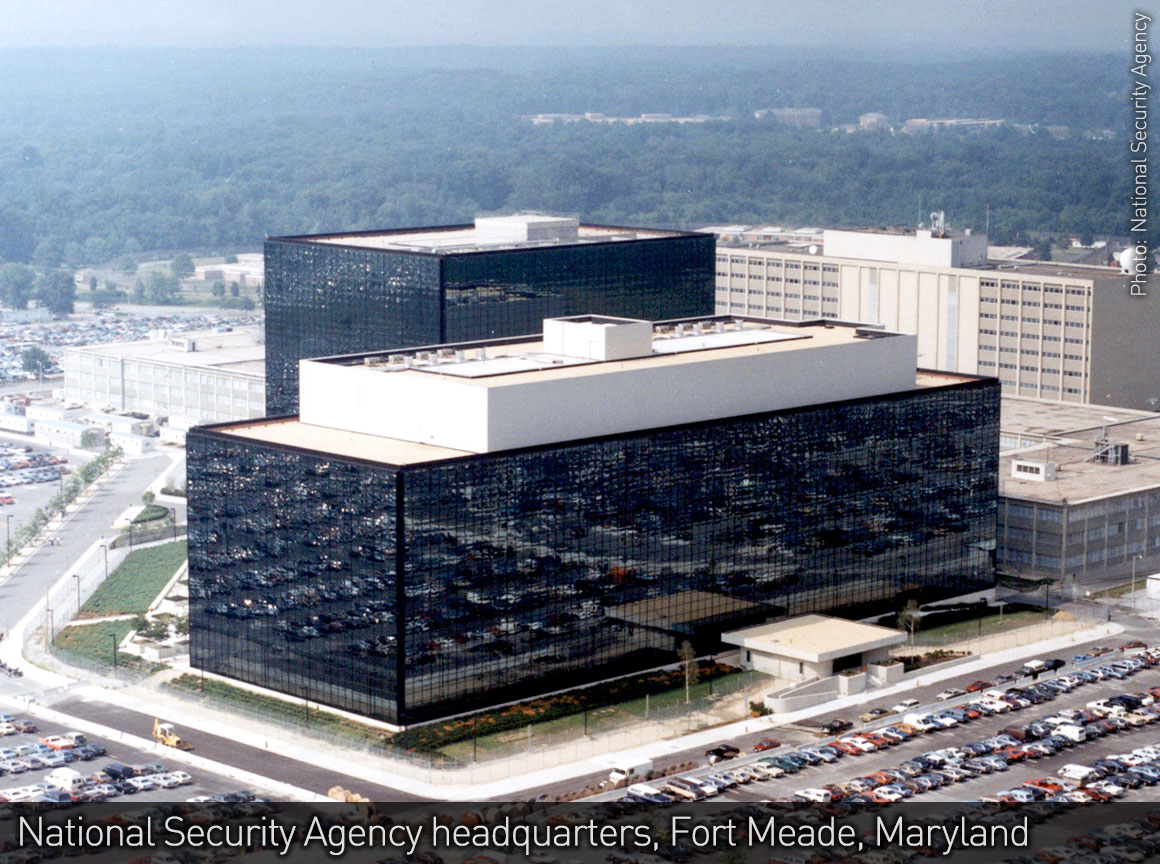
The Foreign Intelligence Surveillance Act (FISA), enacted by Congress after the abuses of the 1960s and 70s, regulates the government’s conduct of intelligence surveillance inside the United States. It generally requires the government to seek warrants before monitoring Americans’ communications. In 2001, however, President Bush authorized the National Security Agency to launch a warrantless wiretapping program, and in 2008 Congress ratified and expanded that program, giving the NSA almost unchecked power to monitor Americans’ international phone calls and emails. In February 2013, the Supreme Court dismissed the ACLU’s lawsuit challenging the law.
Summary

Less than an hour after President Bush signed the 2008 amendments, the ACLU filed its lawsuit challenging the law’s constitutionality. The case, Amnesty v. Clapper, was filed on behalf of a broad coalition of attorneys and human rights, labor, legal and media organizations whose work requires them to engage in sensitive and sometimes privileged telephone and e-mail communications with individuals located outside the United States.
In 2009, a judge in New York dismissed the suit on the grounds that the ACLU’s clients couldn’t prove that their communications would be monitored under the new law. A federal appeals court reversed that ruling in 2011 and the Obama administration appealed the issue to the Supreme Court, which heard oral argument in October 2012. In a 5-4 ruling handed down on February 26, 2013, the Supreme Court held that the ACLU plaintiffs don’t have standing to challenge the constitutionality of the warrantless wiretapping program.
You can view the court filings here.
ACLU attorney Jameel Jaffer, Human Rights Watch General Counsel Dinah PoKempner, and journalist Chris Hedges talk about the ACLU’s lawsuit against the FISA Amendments Act.
ACLU Sues Over Unconstitutional Wiretapping Law
This link will serve content from youtube.com.
Legal Documents
-
03/26/2013
Amnesty et al. v. Clapper – Reply Brief for the Petitioners
Date Filed: 03/26/2013
Download Document-
02/26/2013
Amnesty v. Clapper – Supreme Court – Opinion
-
09/24/2012
Amnesty v. Clapper – Supreme Court – Amicus Brief of National Association of Criminal Defense Lawyers
Date Filed: 09/24/2012
Download Document-
09/24/2012
Amnesty v. Clapper – Supreme Court – Amicus Brief of New York State Bar Association
Date Filed: 09/24/2012
Download Document-
09/24/2012
Amnesty v. Clapper – Supreme Court – Amicus Brief of the Reporters’ Committee for Freedom of the Press
Date Filed: 09/24/2012
Download Document-
09/24/2012
Amnesty v. Clapper – Supreme Court – Amicus Brief of The Center for Constitutional Rights
Date Filed: 09/24/2012
Download Document-
09/24/2012
Amnesty v. Clapper – Supreme Court – Amicus Brief of the Constitutional Accountability Center
Date Filed: 09/24/2012
Download Document-
09/24/2012
Amnesty v. Clapper – Supreme Court – Amicus Brief of the Gun Owners Foundation
Date Filed: 09/24/2012
Download Document-
09/24/2012
Amnesty v. Clapper – Supreme Court – Amicus Brief of Former Church Committee Members and Staff
Date Filed: 09/24/2012
Download Document-
09/24/2012
Amnesty v. Clapper – Supreme Court – Amicus Brief of the New York City Bar Association
Date Filed: 09/24/2012
Download Document-
09/24/2012
Amnesty v. Clapper – Supreme Court – Amicus Brief of the Canadian Civil Liberties Association
Date Filed: 09/24/2012
Download Document-
09/24/2012
Amnesty v. Clapper – Supreme Court – Amicus Brief of the Electronic Privacy Information Center
Date Filed: 09/24/2012
Download Document-
09/17/2012
Amnesty et al v. Clapper – Supreme Court – Brief for Respondents
Date Filed: 09/17/2012
Download Document-
05/22/2012
Amnesty et al. v. Clapper – Legal Documents
-
04/17/2012
Amnesty et al. v. Clapper – Brief in Opposition to Petition for Certiorari
Date Filed: 04/17/2012
Download Document-
02/17/2012
Amnesty et al. v. Clapper – Government Petition for Certiorari
Date Filed: 02/17/2012
Download Document-
09/21/2011
Amnesty et al. v. Clapper – 2nd Circuit Denial of Rehearing En Banc
Date Filed: 09/21/2011
Download Document-
03/21/2011
Amnesty et al. v. Clapper – Decision
-
12/23/2009
Amnesty et al. v. McConnell – Brief Amicus Curiae of Brennan Center for Justice, et al., in Support of Plaintiffs-Appellants
Date Filed: 12/23/2009
Download Document-
12/23/2009
Amnesty et al. v. McConnell – Brief Amicus Curiae of the New York City Bar Association in Support of Plaintiffs-Appellants
Date Filed: 12/23/2009
Download Document-
12/23/2009
Amnesty et al. v. Blair – Brief of Law Professors as Amici Curiae in Support of Plaintiffs-Appellants
Date Filed: 12/23/2009
Download Document-
12/23/2009
Amnesty et al. v. Blair – Brief Amicus Curiae of the Reporters’ Committee for Freedom of the Press in Support of Plaintiffs-Appellants
Date Filed: 12/23/2009
Download Document-
12/17/2009
Amnesty, et al. v. Blair – Brief for the Plaintiffs-Appellants
Date Filed: 12/17/2009
Download Document-
10/01/2009
Amnesty, et al. v. Blair – Notice of Appeal
-
08/20/2009
Amnesty, et al. v. Blair – Opinion and Order
-
04/28/2009
Amnesty v. Blair – Government’s Letter Re Reported Abuse Of FAA
Date Filed: 04/28/2009
Download Document-
04/22/2009
Amnesty v. Blair – Plaintiffs’ Letter Re Reported Abuse Of FAA
Date Filed: 04/22/2009
Download Document-
03/09/2009
Amnesty v. Blair – Government’s Letter In Further Response To Plaintiffs’ Motion For Disclosure
Date Filed: 03/09/2009
Download Document-
02/23/2009
Amnesty v. Blair – Government’s Letter In Response To Plaintiffs’ Motion For Disclosure
Date Filed: 02/23/2009
Download Document-
02/04/2009
Amnesty v. Blair – Plaintiffs’ Memo Of Law In Support Of Motion For Disclosure
Date Filed: 02/04/2009
Download Document-
01/27/2009
Amnesty v. McConnell – Government’s Letter Re In Re Directives
Date Filed: 01/27/2009
Download Document-
01/16/2009
Amnesty et al. v. McConnell – Defendants’ Reply Memorandum in Support of Defendants’ Cross-Motion for Summary Judgment
Date Filed: 01/16/2009
Download Document-
12/19/2008
Amnesty et al. v. McConnell – Brief Amicus Curiae of the Rutherford Institute and the Brennan Center for Justice in Support of Plaintiffs’ Motion for Summary Judgment
Date Filed: 12/19/2008
Download Document-
12/19/2008
Amnesty et al. v. McConnell – Brief Amicus Curiae of the Reporters Committee for Freedom of the Press in Support of Plaintiffs’ Motion for Summary Judgment
Date Filed: 12/19/2008
Download Document-
12/19/2008
Amnesty et al. v. McConnell – Brief Amicus Curiae of the New York City Bar Association in Support of Plaintiffs’ Motion for Summary Judgment
Date Filed: 12/19/2008
Download Document-
12/12/2008
Amnesty v. McConnell – Reply in Support of Plaintiffs’ Motion for Summary Judgment
Date Filed: 12/12/2008
Download Document-
12/12/2008
Amnesty v. McConnell – Plaintiffs’ Supplemental Statement of Undisputed Facts
Date Filed: 12/12/2008
Download Document-
12/11/2008
Amnesty v. McConnell – Declaration of Professor Christopher L. Hedges
Date Filed: 12/11/2008
Download Document-
12/08/2008
Amnesty v. McConnell – Declaration of Professor Stephen Gillers
Date Filed: 12/08/2008
Download Document-
10/28/2008
Amnesty et al. v. McConnell – Defendants’ Response to Plaintiffs’ Statement of Undisputed Facts in Support of Plaintiffs’ Motion for Summary Judgment
Date Filed: 10/28/2008
Download Document-
10/28/2008
Amnesty et al. v. McConnell – Defendants’ Memo in Opposition to Summary Judgment
Date Filed: 10/28/2008
Download Document-
09/12/2008
Amnesty v. McConnell – Statement of Undisputed Facts in Support of Plaintiffs’ Motion for Summary Judgment
Date Filed: 09/12/2008
Download Document-
09/12/2008
Amnesty v. McConnell – Plaintiffs’ Motion for Summary Judgment
Date Filed: 09/12/2008
Download Document-
09/12/2008
Amnesty v. McConnell – Memo in Support of Motion for Summary Judgment
Date Filed: 09/12/2008
Download Document-
07/10/2008
Amnesty et al v McConnell – Complaint
Press Releases
Supreme Court Dismisses ACLU’s Challenge to NSA Warrantless Wiretapping Law
ACLU Tells Supreme Court FISA Surveillance Law is Unconstitutional
ACLU in Supreme Court Monday for Challenge to NSA Warrantless Wiretapping Law
Supreme Court to Hear ACLU Case Challenging Warrantless Wiretapping Law
Obama Administration Asks Supreme Court to Dismiss ACLU Challenge to Warrantless Wiretapping Law
Federal Appeals Court Allows ACLU Challenge to Warrantless Wiretapping Law to Proceed