The 1930s
Share
1931
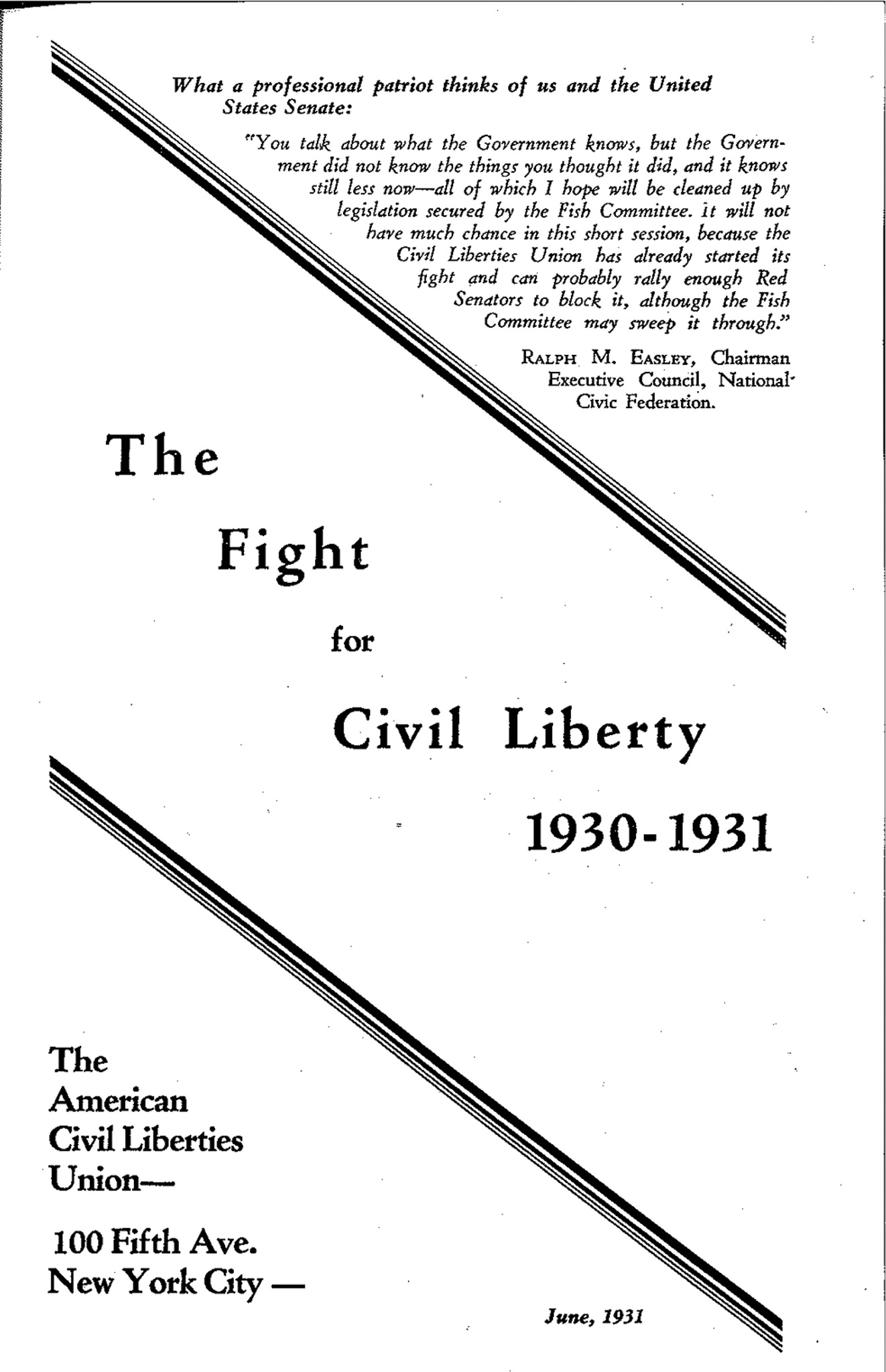
ACLU Annual Report 1930-1931
The ACLU’s 1931 annual report opened with, “Against all this repression the Civil Liberties Union, aided by a score of agencies, puts up a fight on a wider front [...] expansion of the Union’s membership is being undertaken, despite the depression, in the belief that the variety of issues we now handle will obtain a response sufficient to build a more powerful fighting movement against the violence of repression and for orderly progress.”
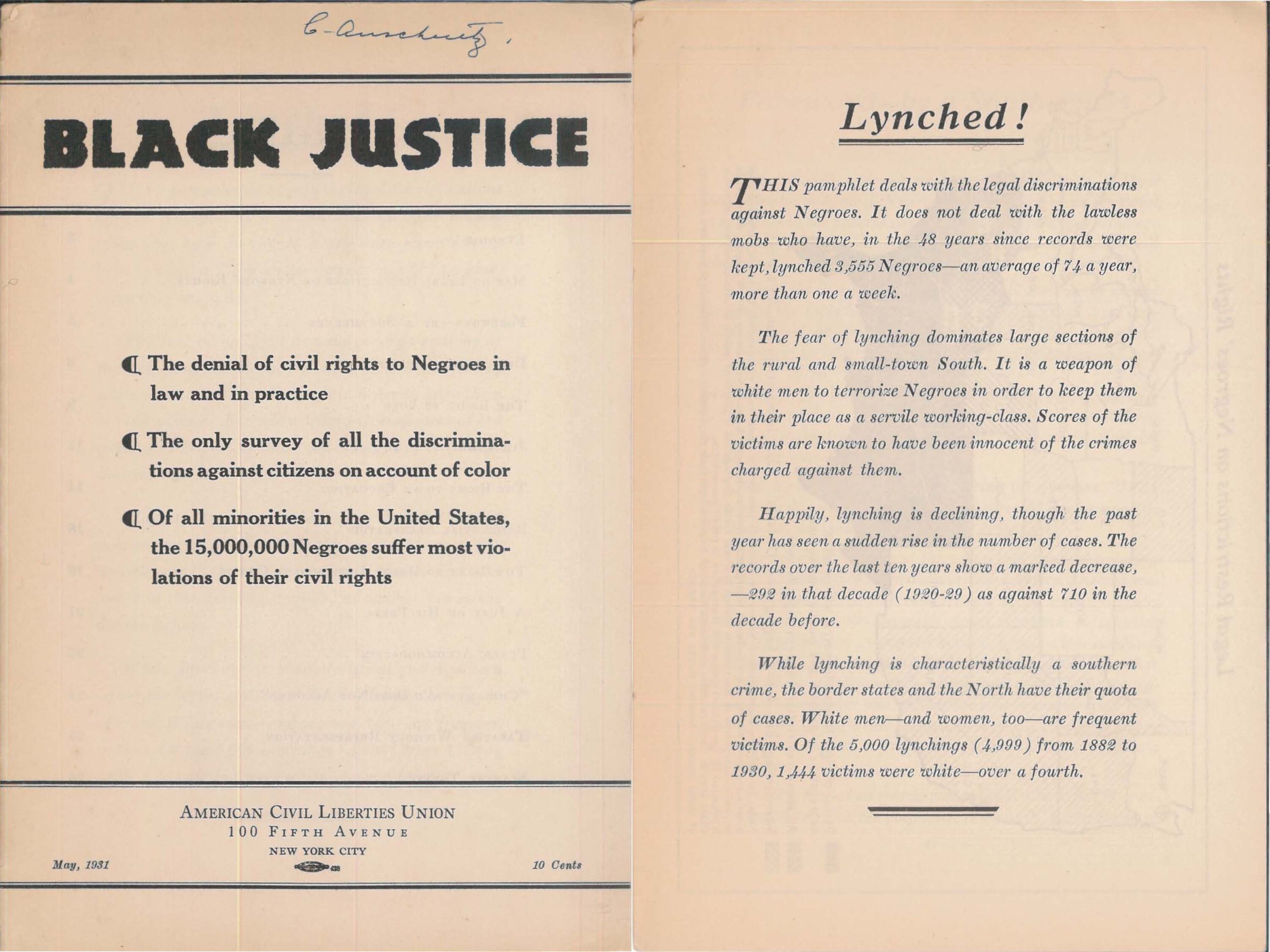
ACLU Brochure, "Black Justice"
This 1931 pamphlet boldly and bluntly documents the legal discrimination Black people faced in the United States at the time, including restrictions on the right to vote, the pervasiveness of Jim Crow laws, and the horrifying prevalence of lynching throughout the country.
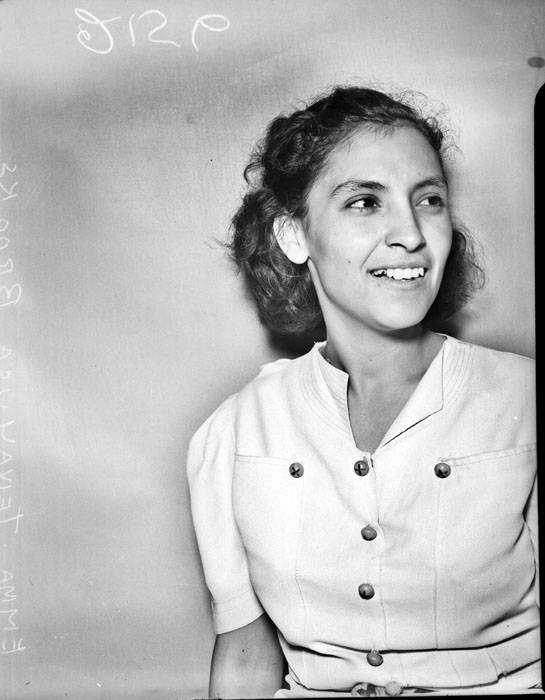
Workers' Rights Activist Emma Tenayuca
In the 1930s, San Antonio, Texas, was home to half of the nation’s pecan industry. Most of the people who worked as pecan shellers were Latinas, who were facing dangerous working conditions and drastically low pay. When several pecan companies decided to lower their pay even more, the workers fought back. On January 31, 1938, workers’ rights activist Emma Tenayuca, pictured here, organized a strike. For three months, thousands of brave Texans advocated for better pay and safer working conditions. The ACLU of Texas began its work by supporting Tenayuca and the pecan shellers.
ACLU of Texas Origins & Activist Emma Tenayuca
In this video, ACLU of Texas Executive Director Oni Blair speaks to the affiliate's founding and ties to the workers' rights movement of the 1930's. She reminds us that: "The work that we do is so important. But what should always be centered are the humans who are fighting for their lives, fighting for their livelihood, fighting for their place in history...we are there to support their movement."
1932
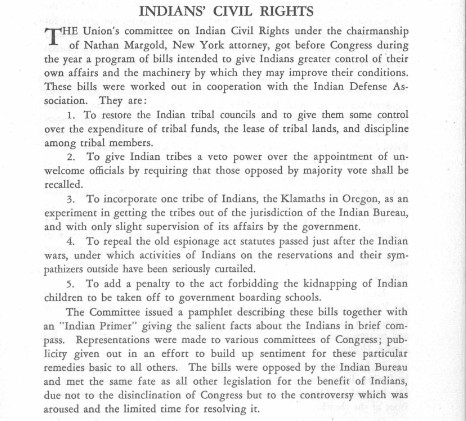
Excerpt "Indian's Civil Rights" from ACLU's 1932 Year End Report
When ACLU founder Roger Baldwin recognized that the federal government had been increasingly attempting to dissolve tribal autonomy and force Indigenous people to assimilate, he thought the ACLU should take a greater role in opposing those efforts. This excerpt from the ACLU's 1932 End of Year Report details a number ofbills the organization supported that "intended to give Indians greater control of their own affairs and the machinery by which they may improve their conditions." The ACLU would go on to host an all-day lobby day in favor of the Indian Reorganization Act, the bill that ended allotment and attempted to put Native lands back in Native lands. Most Native nations who have a written constitution have one because of the IRA.
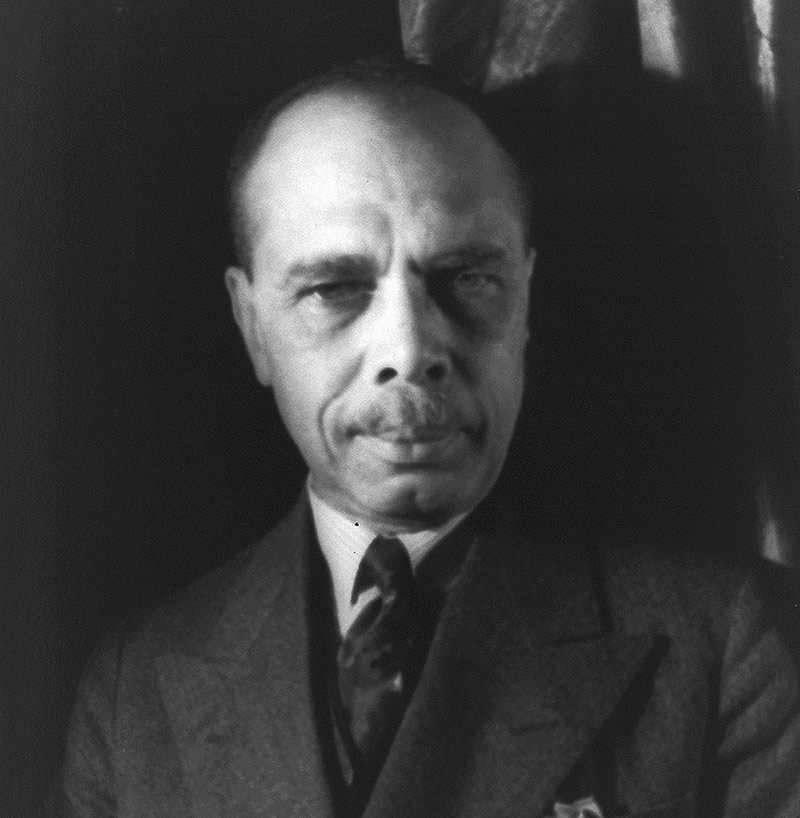
ACLU Board member James Weldon Johnson
Recognizing the interconnectedness between the ACLU's mission for civil liberties and the African-American struggle for civil rights, ACLU founder Roger Baldwin reserved a seat on the ACLU Executive Committee to be filled by a high-ranking NAACP official from the organization's founding. James Weldon Johnson, pictured here, was the first NAACP official to hold this position on the ACLU board. Thurgood Marshall, who would later become the first African-American to serve on the United States Supreme Court, held this position on the ACLU board during his time at director-counsel of the NAACP Legal Defense Fund.
1933
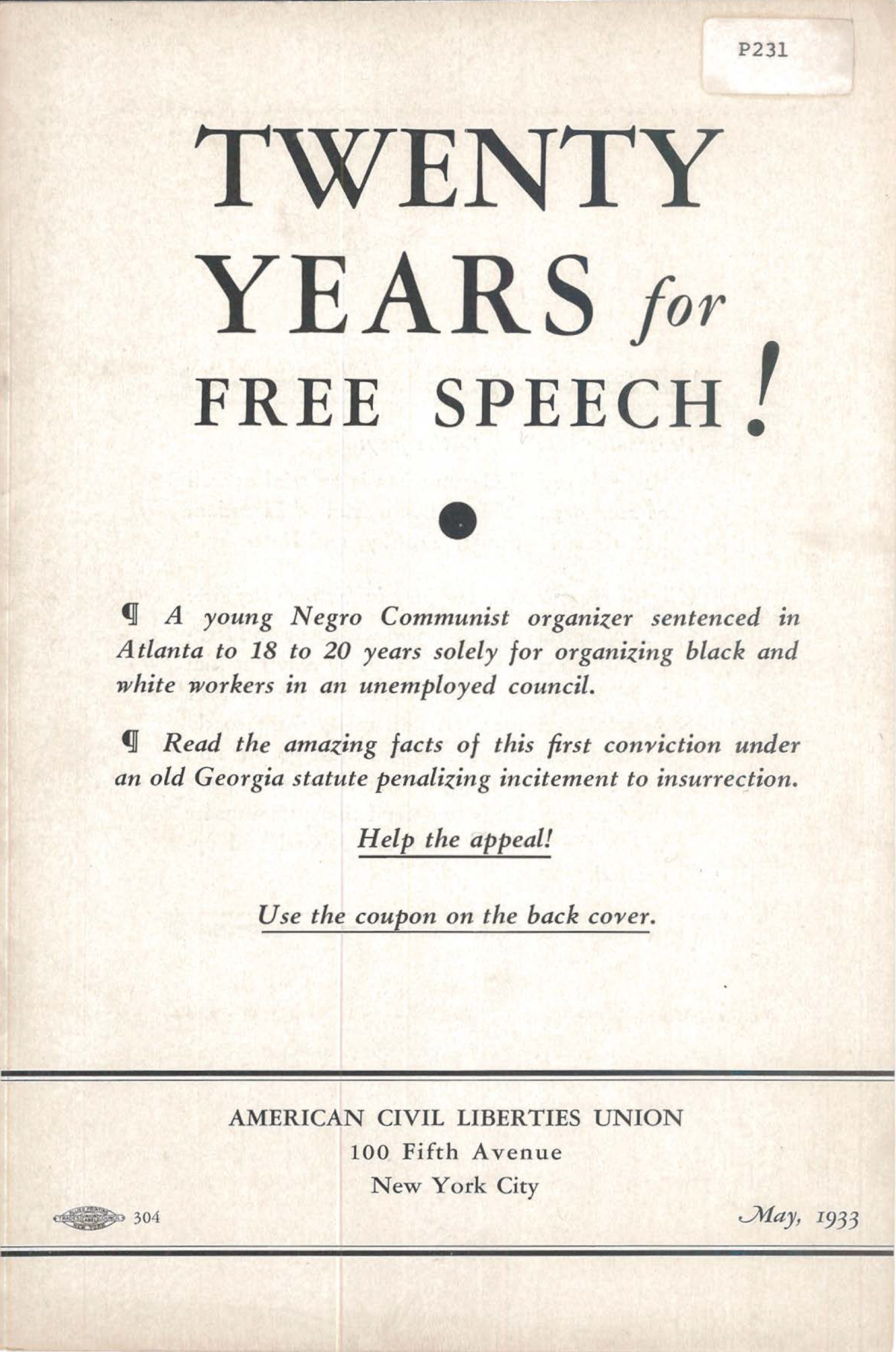
ACLU's "Twenty Years for Free Speech!" Pamphlet
Angelo Herndon was a young Black man from Ohio and a communist organizer who was imprisoned for leading a demonstration in Atlanta under a statute penalizing incitement to insurrection. This 1933 bound pamphlet, published by the ACLU, lays out the details of Herndon's trial and asks for help to appeal his sentence.
1934
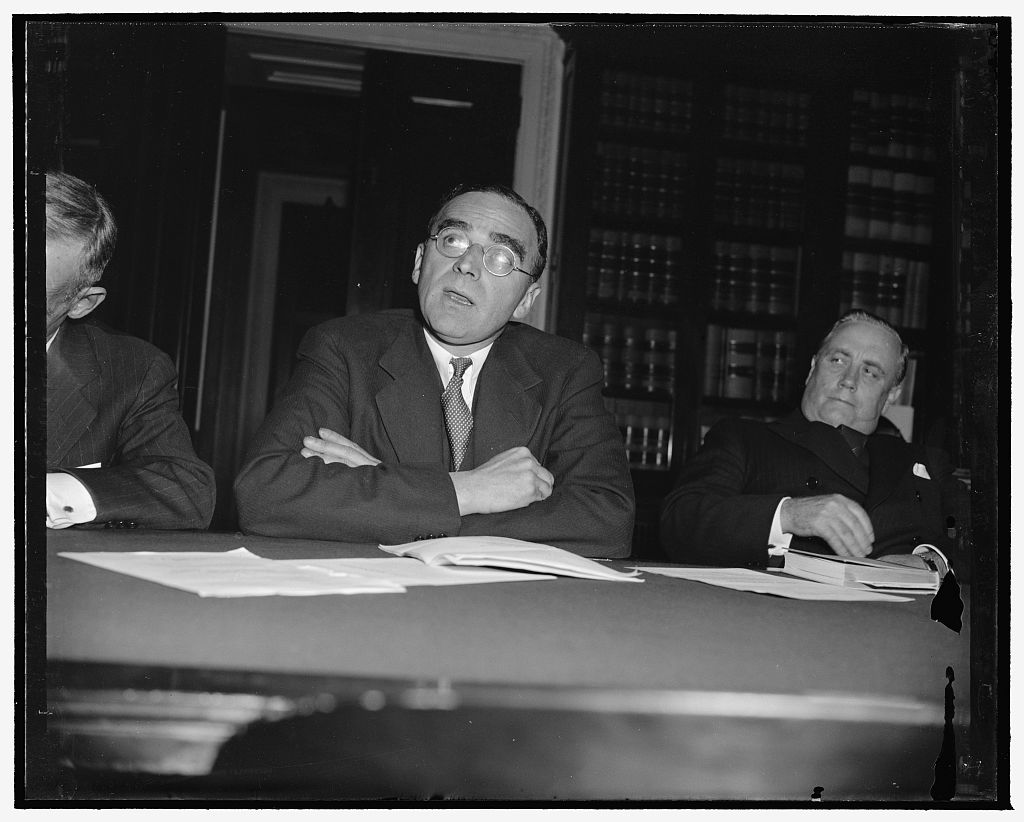
ACLU Co-Founder Morris Ernst Defending Literary Freedom
Morris Ernst, co-founder of the ACLU and legal counsel for Random House, played a pivotal role in defending James Joyce's “Ulysses,” helping to establish the novel as a "modern classic.” Ernst’s efforts not only revolutionized literary freedom but also cemented his reputation as a champion of civil liberties and free expression.
1935
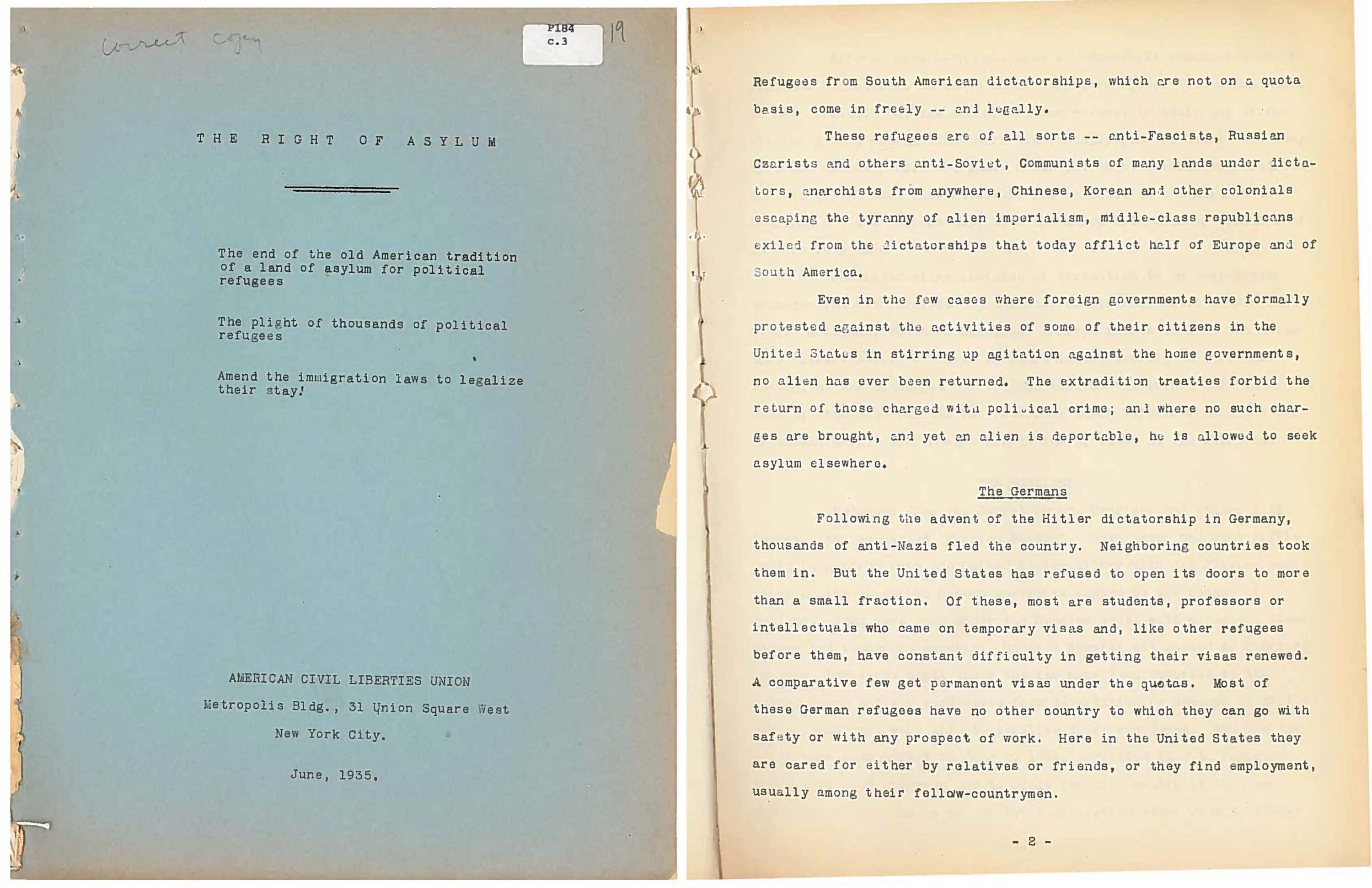
ACLU Report on "The Right to Asylum"
This 1935 pamphlet documents the increasing restrictions on political asylum in the United States in the 1930s, and how certain groups of refugees were targeted for deportation based on their suspected political beliefs.
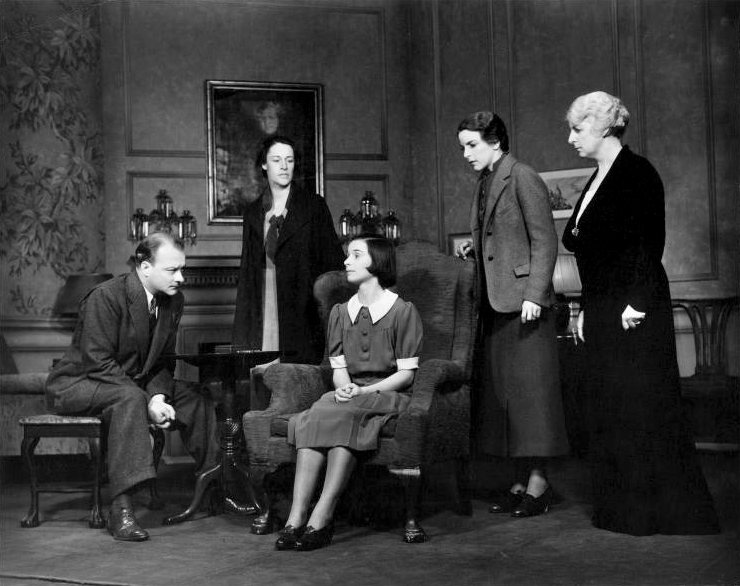
The ACLU Defends LGBTQ Stories on Stage
In 1936, Lillian Hellman's stage play "The Children's Hour" — a critical and financial success on Broadway — was headed to Boston but was banned by the city's public censor because of "lesbian content." The ACLU helped the play's producer challenge the ban in federal court. While they did not prevail, the celebrated case and the public outcry that followed the court ruling led to the first serious limitations on the public censor. Pictured here is a promotional photo for the 1934 Broadway run of the play, featuring from left: Robert Keith, Anne Revere, Florence McGee, Katherine Emery, and Katherine Emmet.
1936
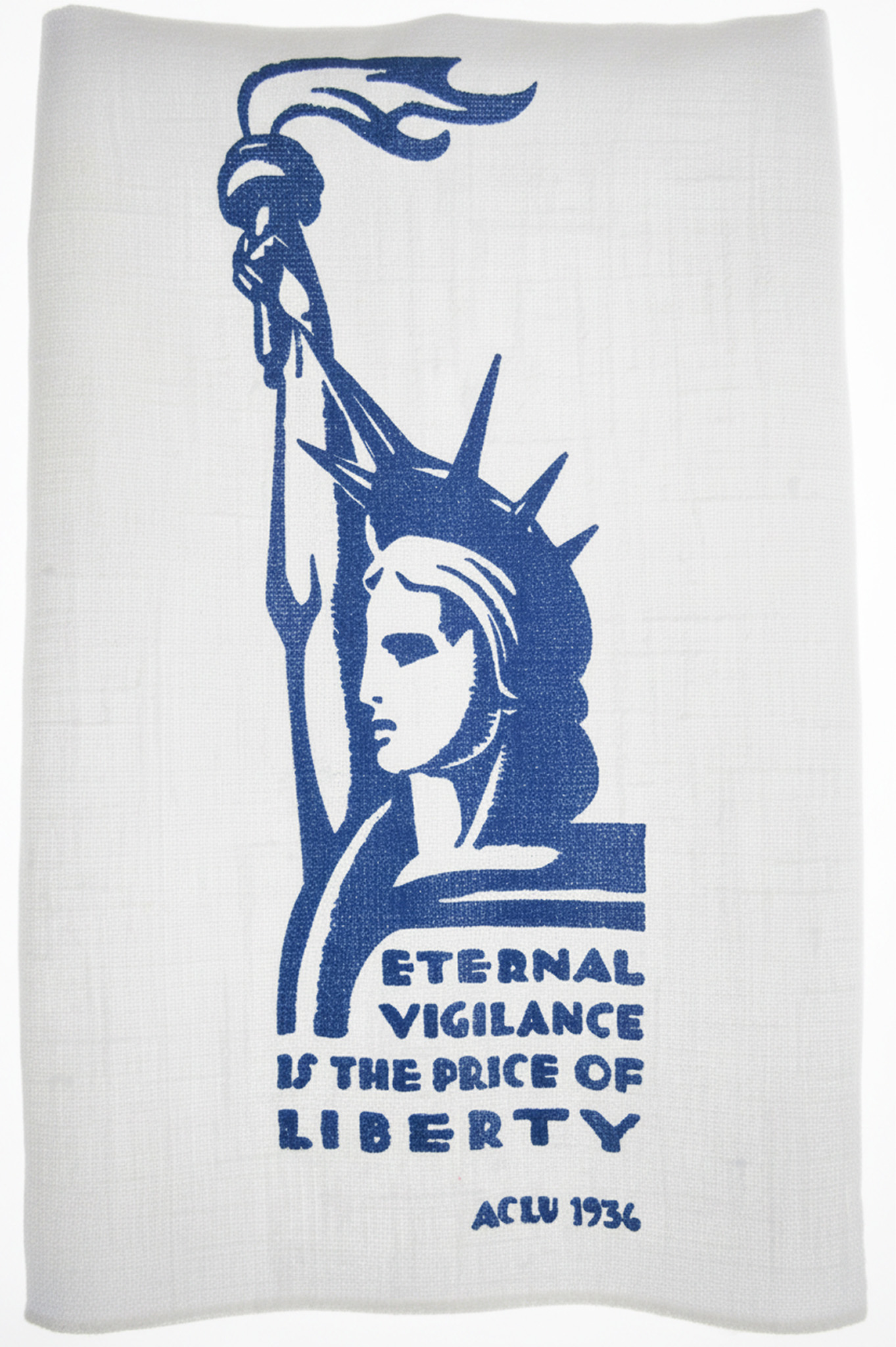
ACLU Tea Towel Reads "Eternal Vigilance is the Price of Liberty"
An ACLU tea towel from 1936 creates an everyday reminder that the work to protect our civil liberties is never ending, and that the ACLU's vigilance will always be necessary to preserve our freedom.
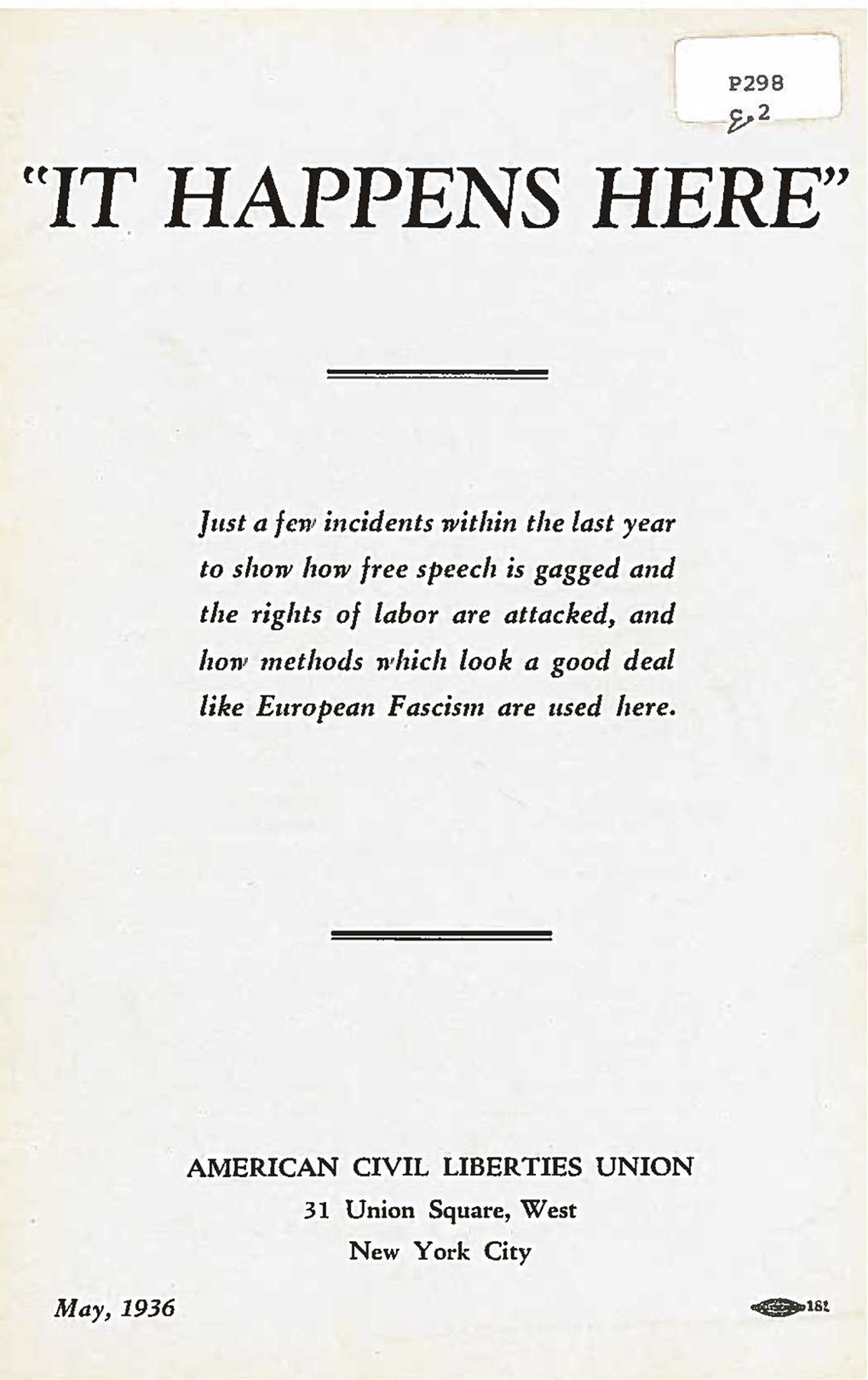
ACLU Brochure, "It Happens Here" on 1935-1936 Trends of Fascism
As fascism was rising in Europe, the ACLU published this 1936 pamphlet documenting how many fascist attacks against free speech, civil liberties, and the rights of labor organizers were also happening here in the United States.
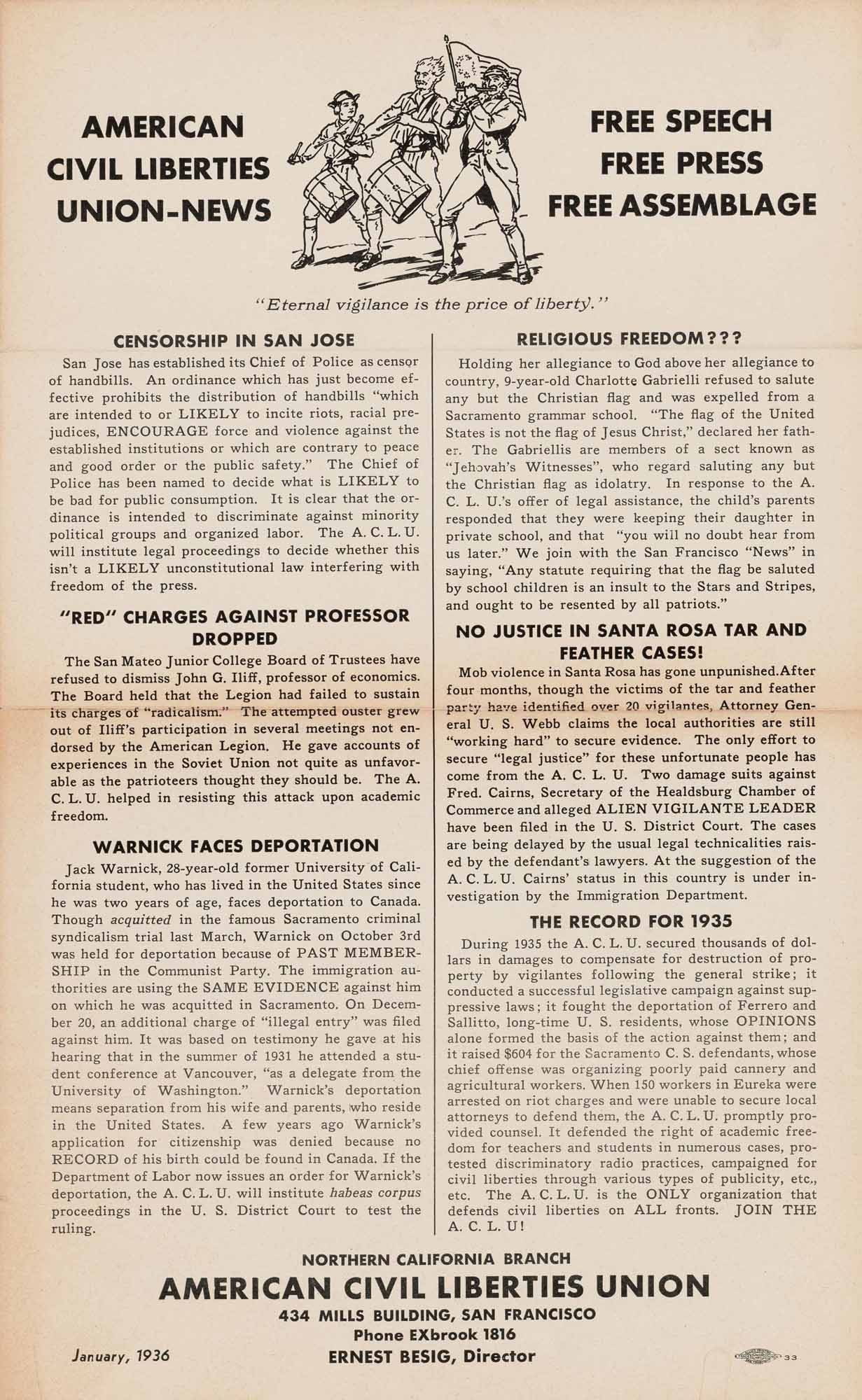
The First Issue of the ACLU of Northern California's Newsletter
Pictured here is the first issue of the ACLU of Northern California’s "ACLU News" from 1936. The civil liberties topics covered in this initial single-page publication include the unconstitutionality of a local ordinance allowing censorship and fighting the deportation of someone who’d lived in the United States since he was two years old. The ACLU News continues as a print publication to this day, mailed to members of the ACLU of Northern California three times a year. 2026 marks the 90th anniversary of the publication.
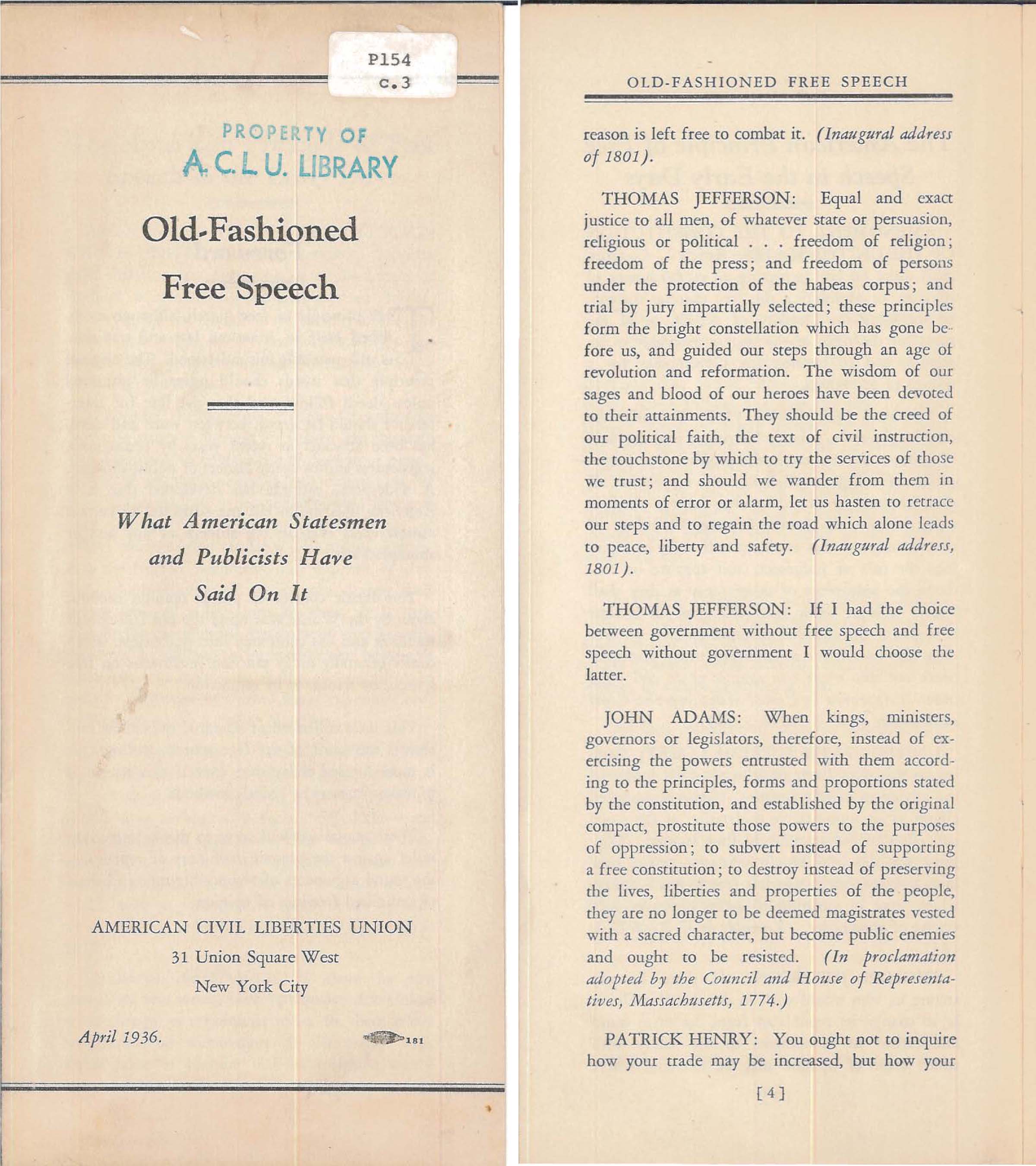
ACLU Brochure, "Old-Fashioned Free Speech: What American Statesmen and Publicists Have Said on It"
This 1936 ACLU pamphlet collects statements on the freedom of speech by prominent American statesmen, including Thomas Jefferson, Benjamin Franklin, and Abraham Lincoln.
1937
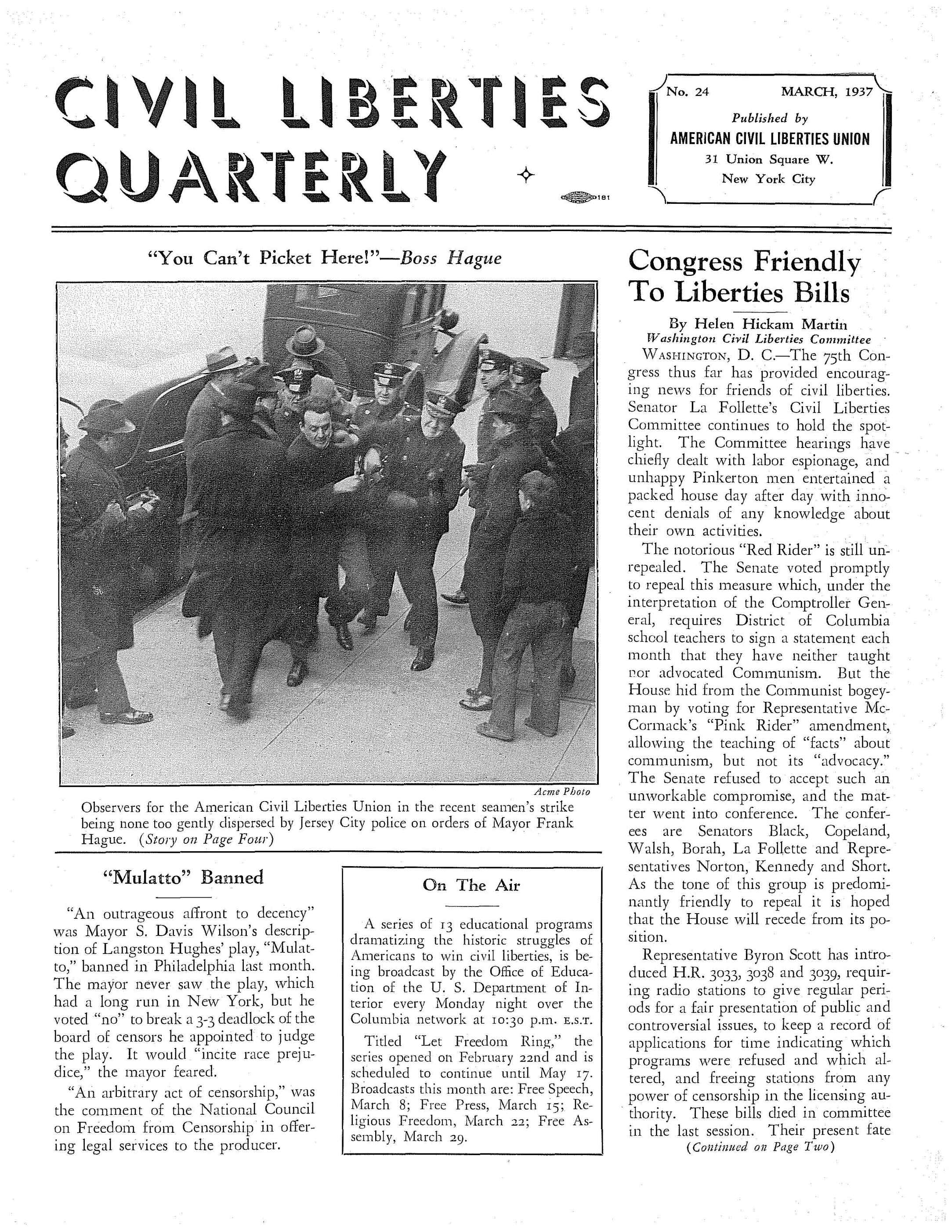
ACLU's 1937 Civil Liberties Quarterly Newsletter
The cover of this 1937 issue of the ACLU newsletter features a quote from Jersey City Mayor Frank Hague above a photo of Jersey City police officers removing ACLU observers, on Hague’s order, from a picket of striking seamen. It also covers the progress Congress was making on expanding civil liberties.
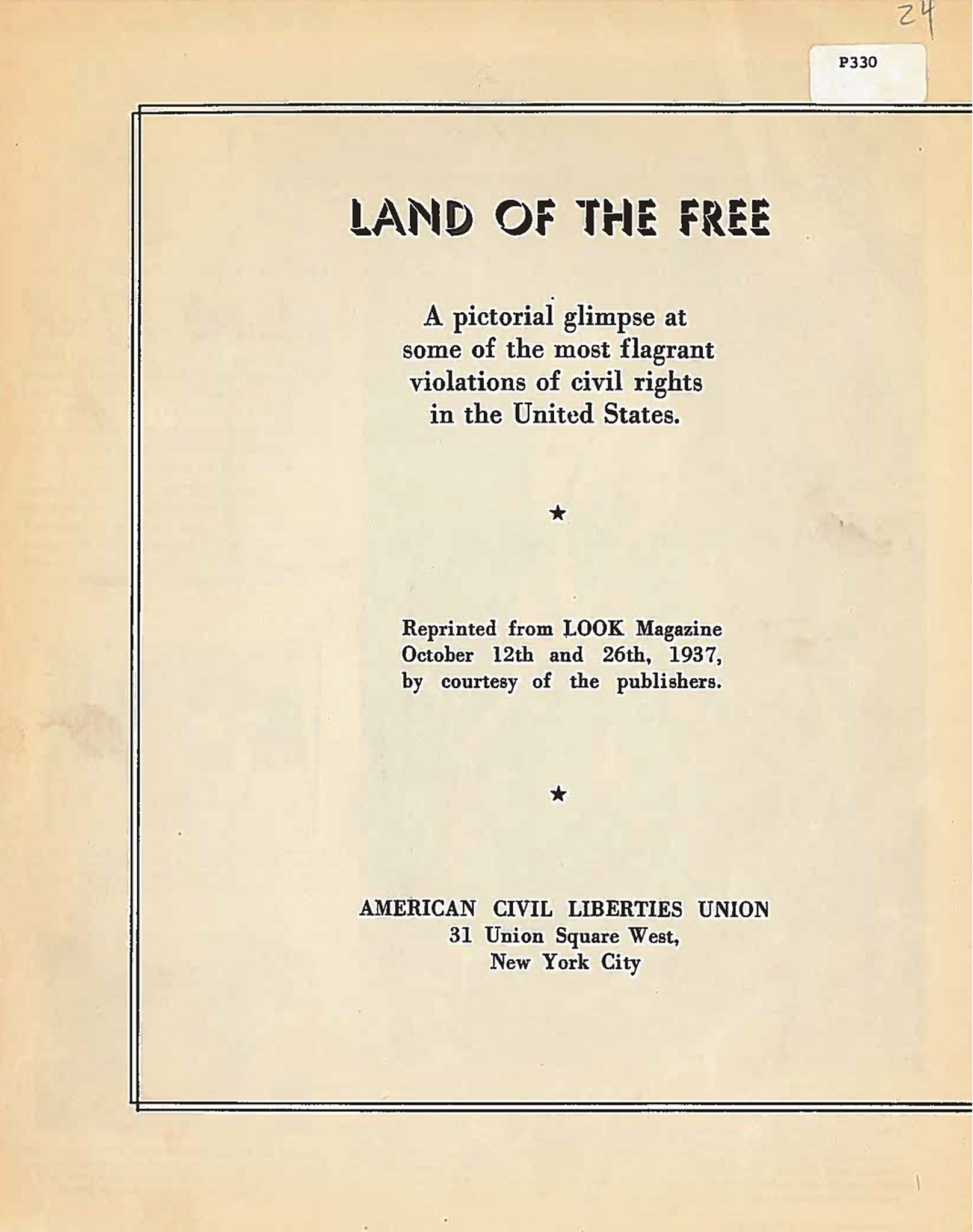
ACLU Brochure, "Land of the Free" on 1937 Civil Rights Abuses
The photographs in this 1937 pamphlet published by the ACLU and LOOK magazine document appalling violations of human and civil rights, including ghastly depictions of lynchings and other violent attacks. Pictures of a man after being tarred and feathered and the dead body of a Works Progress Administration worker show just how dangerous it could be to exercise the right to free speech and labor rights during this time.
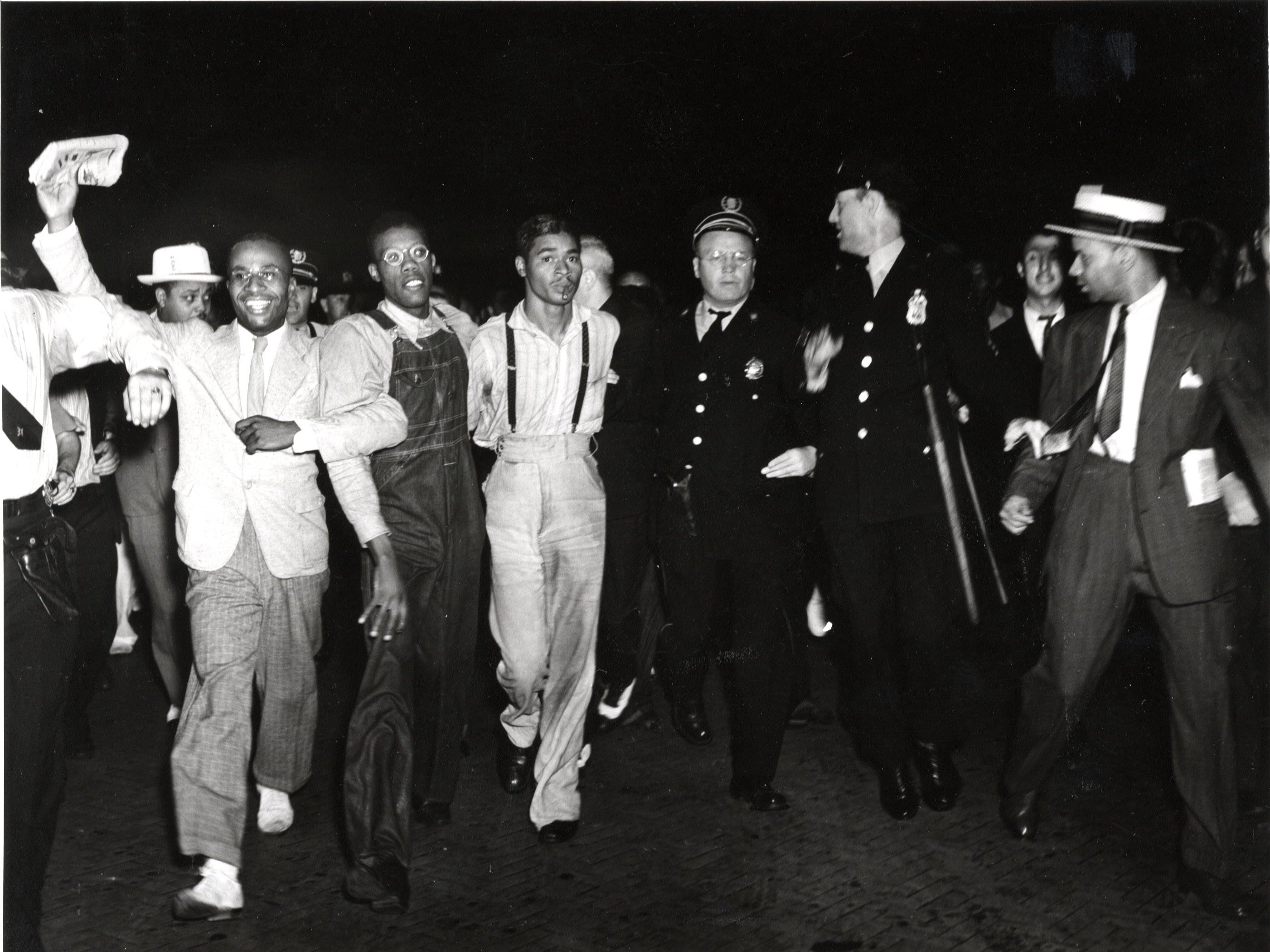
Olen Montgomery and Eugene Williams, Two of the Freed “Scottsboro Boys”
On March 25, 1931, nine young Black men, known as the "Scottsboro Boys," were arrested on fabricated allegations of raping two white women. They were quickly convicted in a series of rushed and deeply flawed trials, in which they were given inadequate counsel, faced all-white juries, and were constantly under threat of lynching. Although the alleged victims ultimately recanted their stories, all but one of the men were sentenced to death. Renowned ACLU attorney Walter Pollak appealed the case to the Supreme Court in Powell v. Alabama, where the court ruled that the men's right to a fair trial had been violated. This photo from 1937 shows two of the recently freed Scottsboro Boys — Olen Montgomery and Eugene Williams — being greeted by a crowd when they arrived at Penn Station in New York.
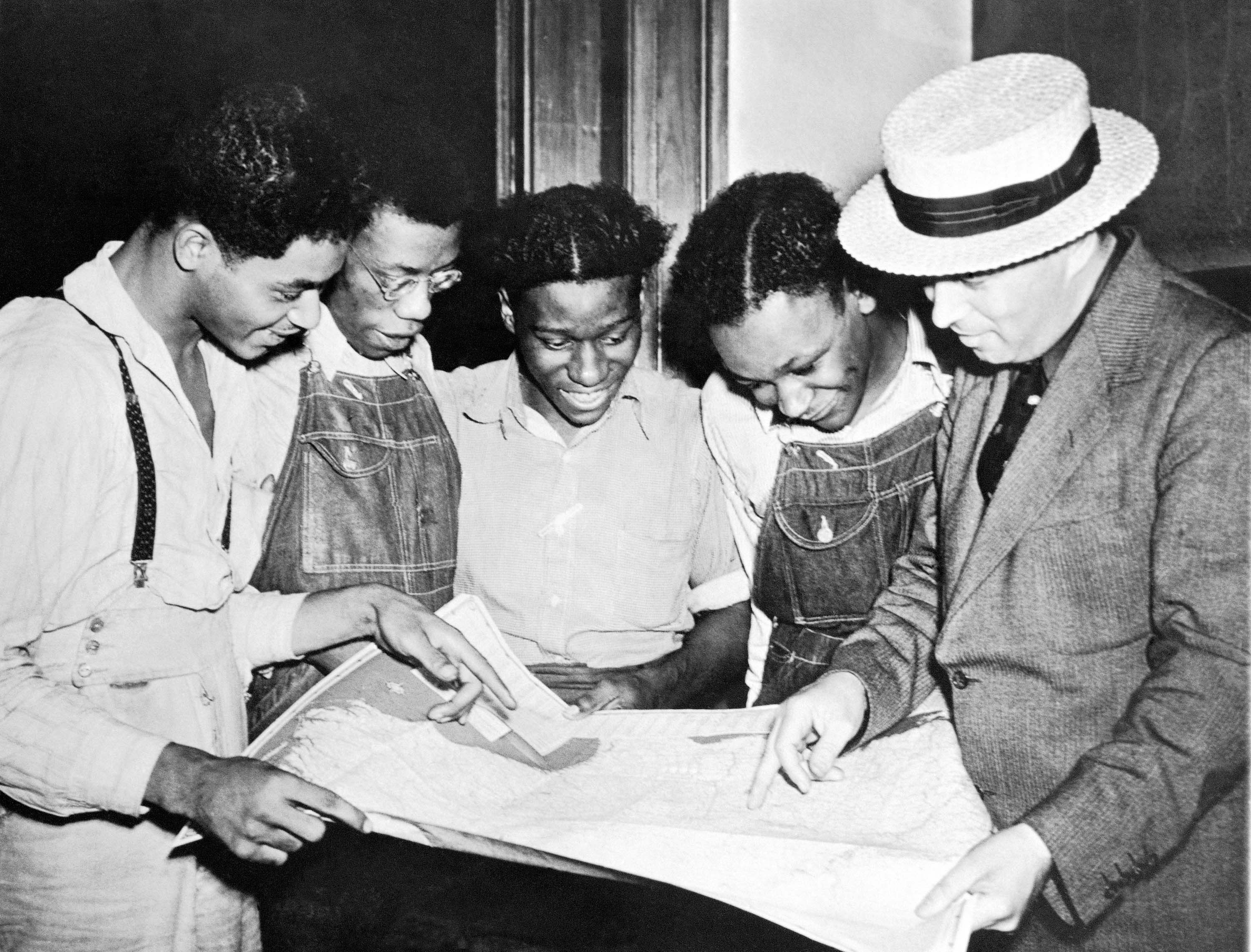
The Defense of the "Scottsboro Boys"
Samuel Leibowitz, attorney for the Scottsboro Boys, consults with four of his clients who were freed during a stop in Nashville en route to New York. From Left: Eugene Williams, Olin Montgomery, Willie Roberson, and Roy Wright.
1938
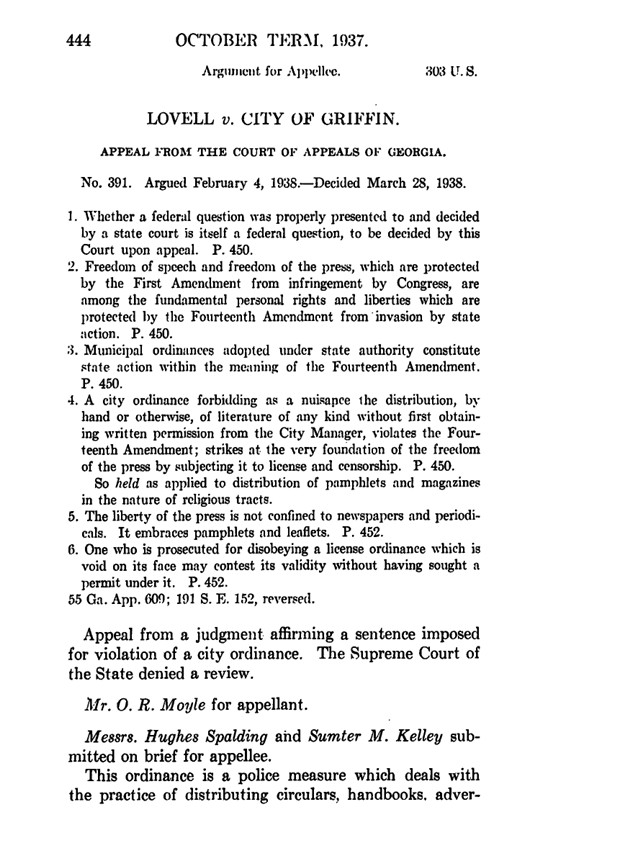
Win For Free Speech and Religious Liberty: Lovell v Griffin Ruling
Lovell v. Griffin established that cities could not require individuals to obtain permits or licenses to distribute pamphlets, circulars, or other printed materials. The Supreme Court's decision was a major victory for the ACLU in protecting religious liberty and freedom of the press from municipal censorship and licensing requirements.
1939
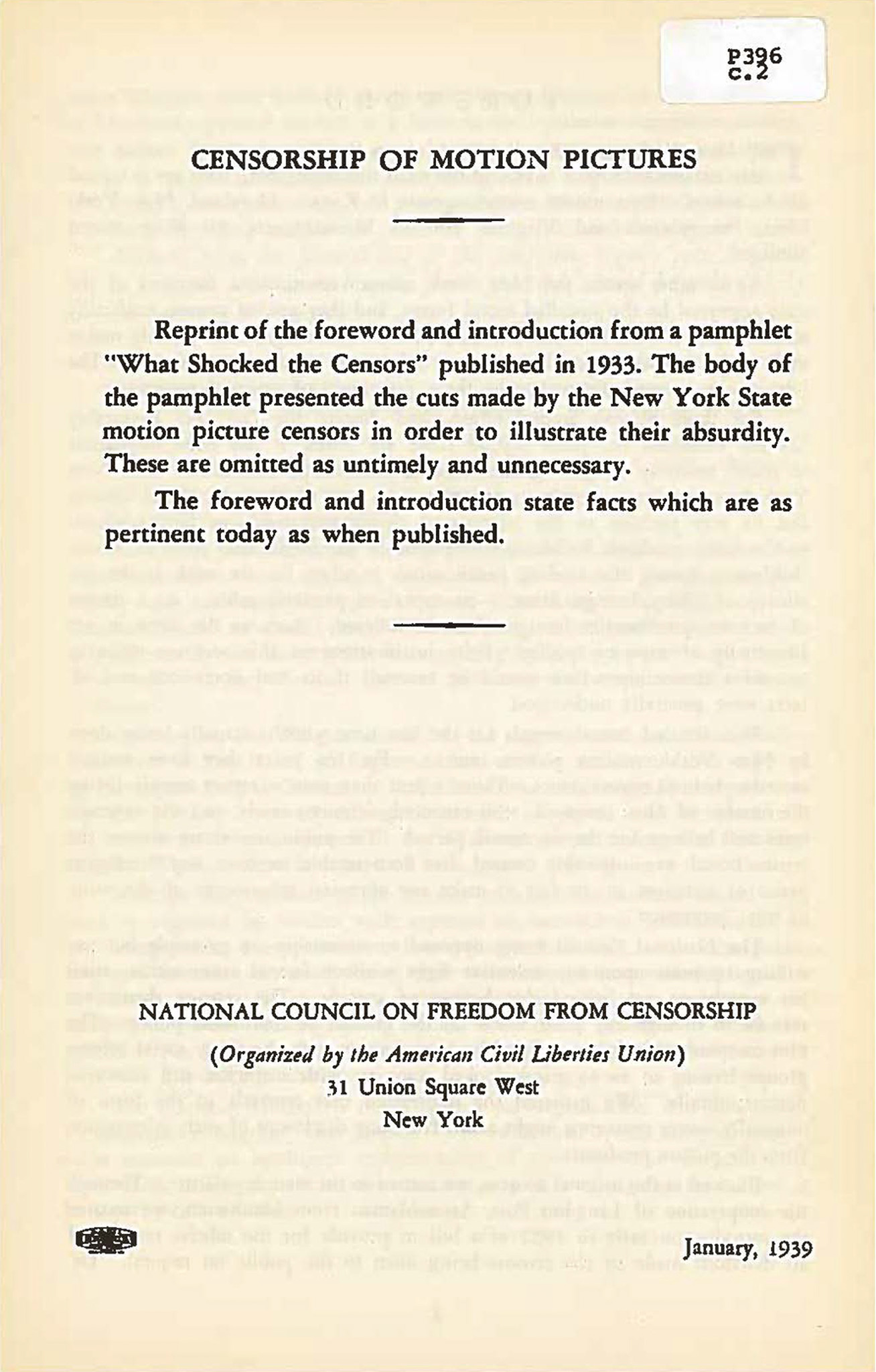
ACLU-Organized National Council on Freedom from Censorship Brochure, "Censorship of Motion Pictures"
This 1933 pamphlet, "What Shocked the Censors," documents the cuts New York State motion picture censors made to films before they were released, shining a light on how film censorship functioned at the time.
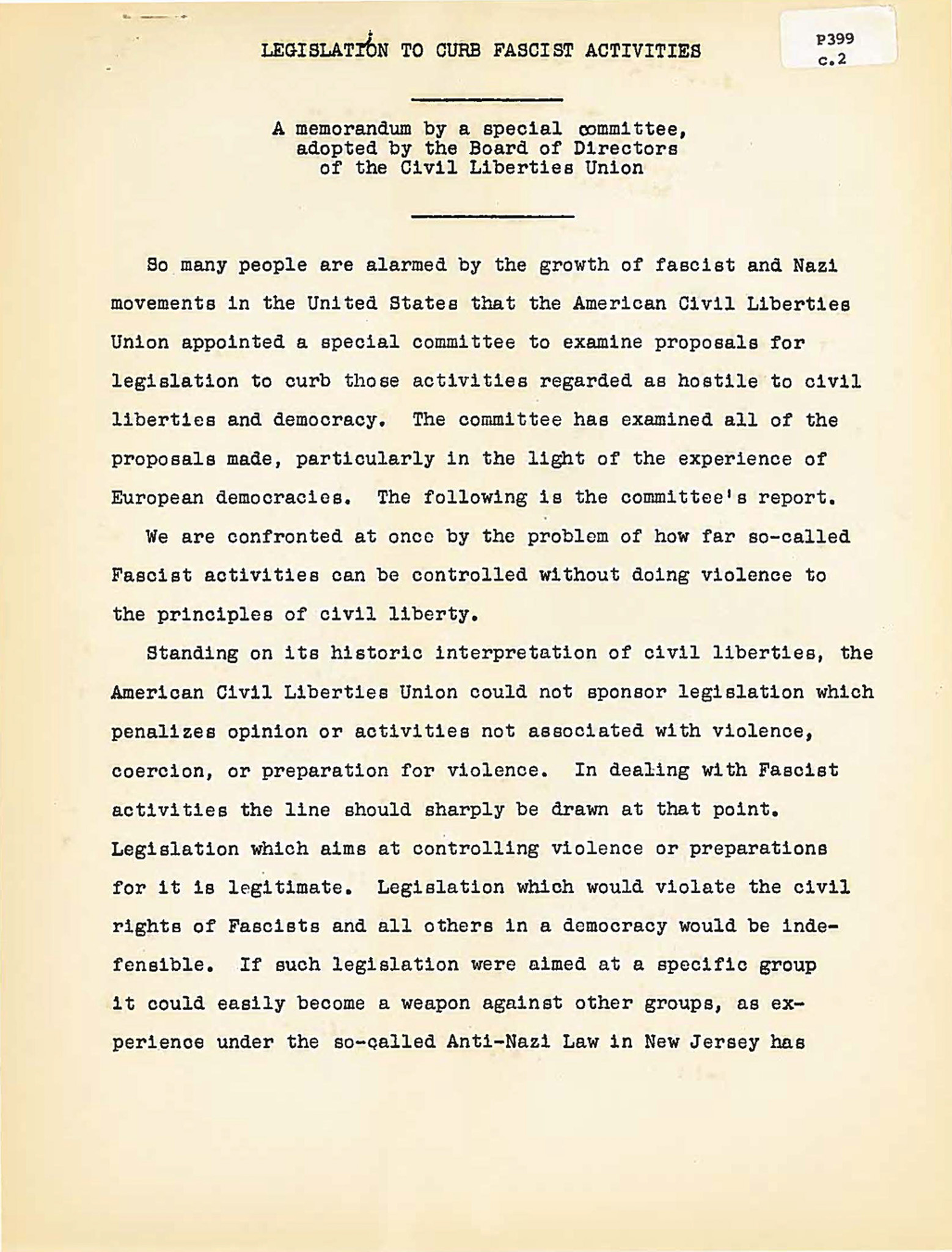
ACLU Memorandum, "Legislation to Curb Fascist Activities"
In this 1939 report, adopted by the ACLU Board of Directors, the organization examines legislative proposals to curb the rise of fascism in the United States, seeking to determine which proposals wouldn’t themselves threaten free speech and other civil liberties.