Nevada
Citizen Outreach Foundation v. Portillo
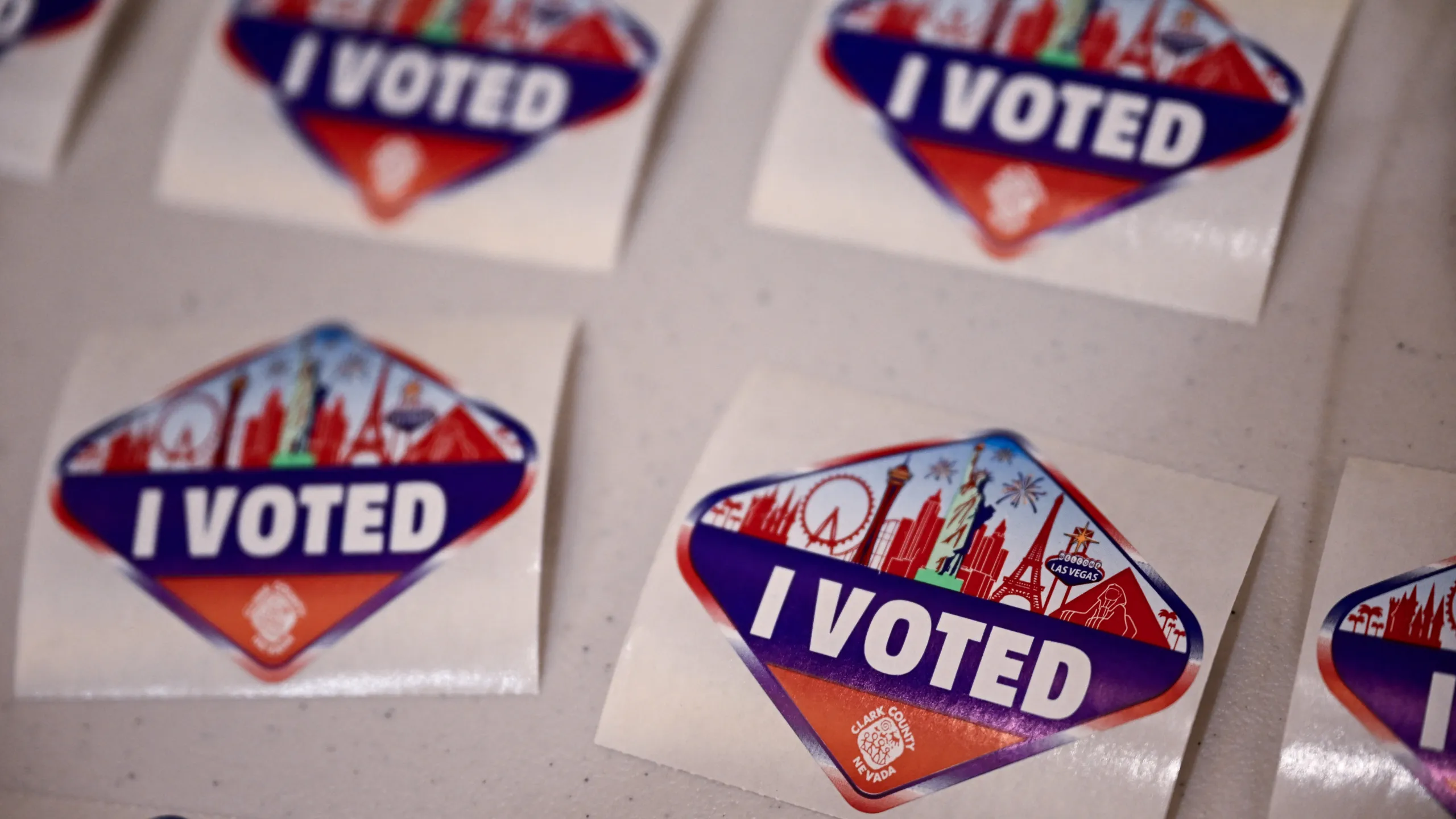
On the eve of the November 2024 presidential election, a third-party organization has challenged about 20,000 voters in Clark County, Nevada on the basis of purportedly improper residency. When Clark County rightly declined to process these challenges as improper under Nevada law, the third-party organization sued to compel the county to act on the challenges. The ACLU Voting Rights Project and the ACLU of Nevada have moved to intervene in the case to prevent mass disenfranchisement of Clark County voters mere weeks out from the 2024 general election.
Status: Closed (Voluntarily Dismissed)
View Case
Visit ACLU of Nevada
All Cases
12 Nevada Cases

Nevada
Oct 2024
Voting Rights
Citizen Outreach Foundation v. Burgess
On the eve of the November 2024 presidential election, a third-party organization has challenged about 11,000 voters in Washoe County, Nevada on the basis of purportedly improper residency. When Washoe County rightly declined to process these challenges as improper under Nevada law, the third-party organization sued to compel the county to act on the challenges. The ACLU Voting Rights Project and the ACLU of Nevada have moved to intervene in the case to prevent mass disenfranchisement of Washoe County voters mere weeks out from the 2024 general election.
Explore case
Nevada
Oct 2024
Voting Rights
Citizen Outreach Foundation v. Burgess
On the eve of the November 2024 presidential election, a third-party organization has challenged about 11,000 voters in Washoe County, Nevada on the basis of purportedly improper residency. When Washoe County rightly declined to process these challenges as improper under Nevada law, the third-party organization sued to compel the county to act on the challenges. The ACLU Voting Rights Project and the ACLU of Nevada have moved to intervene in the case to prevent mass disenfranchisement of Washoe County voters mere weeks out from the 2024 general election.

Nevada
Sep 2024
Reproductive Freedom
Silver State Hope Fund v. Nevada Department of Health and Human Services
Silver State Hope Fund, the American Civil Liberties Union, and the ACLU of Nevada prevailed in their challenge to Nevada’s ban on Medicaid coverage for abortion as sex-based discrimination in violation of the state constitution’s Equal Rights Amendment (ERA). Filed in September 2024, the court’s written order — which is not subject to additional challenge — concludes the case and requires the state’s Medicaid program to cover abortion care. Following this ruling, the state will begin to take steps to extend coverage to abortion. The case was the first legal challenge under the ERA, which Nevada voters overwhelmingly approved in 2022. Nevada joins 18 other states that cover abortion under their state Medicaid program.
Explore case
Nevada
Sep 2024
Reproductive Freedom
Silver State Hope Fund v. Nevada Department of Health and Human Services
Silver State Hope Fund, the American Civil Liberties Union, and the ACLU of Nevada prevailed in their challenge to Nevada’s ban on Medicaid coverage for abortion as sex-based discrimination in violation of the state constitution’s Equal Rights Amendment (ERA). Filed in September 2024, the court’s written order — which is not subject to additional challenge — concludes the case and requires the state’s Medicaid program to cover abortion care. Following this ruling, the state will begin to take steps to extend coverage to abortion. The case was the first legal challenge under the ERA, which Nevada voters overwhelmingly approved in 2022. Nevada joins 18 other states that cover abortion under their state Medicaid program.

Nevada
Apr 2024
Privacy & Technology
United States v. Motley — Amicus Brief
This case concerns whether police may access private and sensitive medical records without a warrant as part of a criminal investigation of an individual, when those records are contained within state prescription drug monitoring databases.
Explore case
Nevada
Apr 2024
Privacy & Technology
United States v. Motley — Amicus Brief
This case concerns whether police may access private and sensitive medical records without a warrant as part of a criminal investigation of an individual, when those records are contained within state prescription drug monitoring databases.
Nevada Supreme Court
Nov 2023
Criminal Law Reform
Smart Justice
Cannabis Equity & Inclusion Cmty. v. Nevada Bd. of Pharmacy
Nevadans, like voters in many states, have chosen to legalize marijuana for medicinal and recreational use. In Nevada, these changes—adopted through citizen ballot initiatives and, in the case of medical marijuana, enshrined in the Nevada Constitution—were intended to ensure that marijuana is regulated much like alcohol and that law enforcement resources are focused on violent crime, not the prosecution of non-violent drug offenses. Despite these legal changes, Nevada’s Board of Pharmacy continues to regulate marijuana as a Schedule I controlled substance for purposes of state law, akin to the Board’s treatment of cocaine and fentanyl. The Board’s scheduling designation for marijuana has enormous implications for criminal defendants in Nevada since state law makes it a felony to possess or engage in certain other activity with respect to a Schedule I controlled substance, as designated by the Board.
This case, brought by an individual and organization harmed by the Board’s scheduling designation for marijuana, involves the question whether the designation violates the Nevada Constitution and state statutes. The ACLU of Nevada is counsel in the case, and the ACLU’s State Supreme Court Initiative is co-counsel on appeal.
Explore case
Nevada Supreme Court
Nov 2023
Criminal Law Reform
Smart Justice
Cannabis Equity & Inclusion Cmty. v. Nevada Bd. of Pharmacy
Nevadans, like voters in many states, have chosen to legalize marijuana for medicinal and recreational use. In Nevada, these changes—adopted through citizen ballot initiatives and, in the case of medical marijuana, enshrined in the Nevada Constitution—were intended to ensure that marijuana is regulated much like alcohol and that law enforcement resources are focused on violent crime, not the prosecution of non-violent drug offenses. Despite these legal changes, Nevada’s Board of Pharmacy continues to regulate marijuana as a Schedule I controlled substance for purposes of state law, akin to the Board’s treatment of cocaine and fentanyl. The Board’s scheduling designation for marijuana has enormous implications for criminal defendants in Nevada since state law makes it a felony to possess or engage in certain other activity with respect to a Schedule I controlled substance, as designated by the Board.
This case, brought by an individual and organization harmed by the Board’s scheduling designation for marijuana, involves the question whether the designation violates the Nevada Constitution and state statutes. The ACLU of Nevada is counsel in the case, and the ACLU’s State Supreme Court Initiative is co-counsel on appeal.