Criminal Law Reform
The Criminal Law Reform Project advocates for the constitutional and civil rights of those impacted by the criminal legal system.

What you need to know
FAQ
The Latest
-
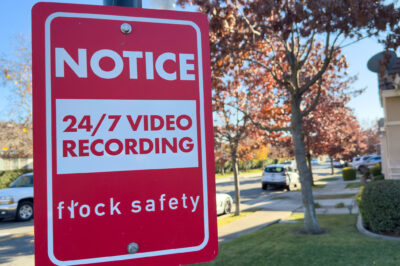
Despite ‘New’ Updates, Flock’s Creepy Cameras Remain Major Civil Liberties Threat
-

Police Are Increasingly Pulling People Over Because AI Deems Their Driving Patterns “Suspicious”
-


New ACLU Film Exposes Human Toll of Immigration Raid in Wilder, Idaho as Families’ Lawsuit Moves Forward
-
New ACLU Report Sounds the Alarm on How Trump Administration’s Mass Deportation Agenda is Eroding Democracy
Explore More
What We're Focused On
-

Drug Law Reform
The ACLU works in courts, legislatures, and communities to defend and preserve the individual rights and liberties that the Constitution and the laws of the United States guarantee everyone in this country.
-
Ending Abusive and Biased Police Encounters
Police in the United States are empowered to detain, search, and interrogate people walking the streets or driving in cars as a tool for criminal investigations, without suspicion of criminal wrongdoing. And police engage in invasive, widespread, and often violent pedestrian and traffic stops against primarily Black, Latine, and Indigenous people, causing harm to the people and communities most targeted.
-
Public Defense Reform
Through litigation and advocacy, the ACLU’s Criminal Law Reform Project works to ensure that public defense systems throughout the country reliably live up to the promise of the Sixth Amendment so that all criminal defendants — regardless of their wealth or poverty — receive fair treatment in the criminal legal system. Failing public defense systems violate the constitutional rights of the accused, lead to unjust outcomes, and contribute to our overburdened, inhumane, and wasteful jail and prison systems.
-
Public Safety and Freedom from Police Overreach
We want a world in which people have an equal right to go about their lives without invasive, humiliating, or violent encounters with the police regardless of race, gender, ethnicity, or disability. To achieve this world, the ACLU works to increase individual rights against police violence and oppression, while shifting power to people impacted by police overreach to build better models for public safety.
-
Reforming Police
The ACLU works in courts, legislatures, and communities to defend and preserve the individual rights and liberties that the Constitution and the laws of the United States guarantee everyone in this country.
What’s at Stake
The Criminal Law Reform Project (CLRP) seeks to end criminal justice policies that fuel mass incarceration, over-criminalization, and racial injustice.
By fighting for transformational change to policing, pretrial detention, public defense, and probation and parole, CLRP is working to reverse the tide of mass incarceration, advance constitutional rights, shift power to under resourced communities, and to elevate approaches to justice and safety that advance fundamental rights for all
The Criminal Law Reform Project (CLRP) seeks to end criminal justice policies that fuel mass incarceration, over-criminalization, and racial injustice.
By fighting for transformational change to policing, pretrial detention, public defense, and probation and parole, CLRP is working to reverse the tide of mass incarceration, advance constitutional rights, shift power to under resourced communities, and to elevate approaches to justice and safety that advance fundamental rights for all