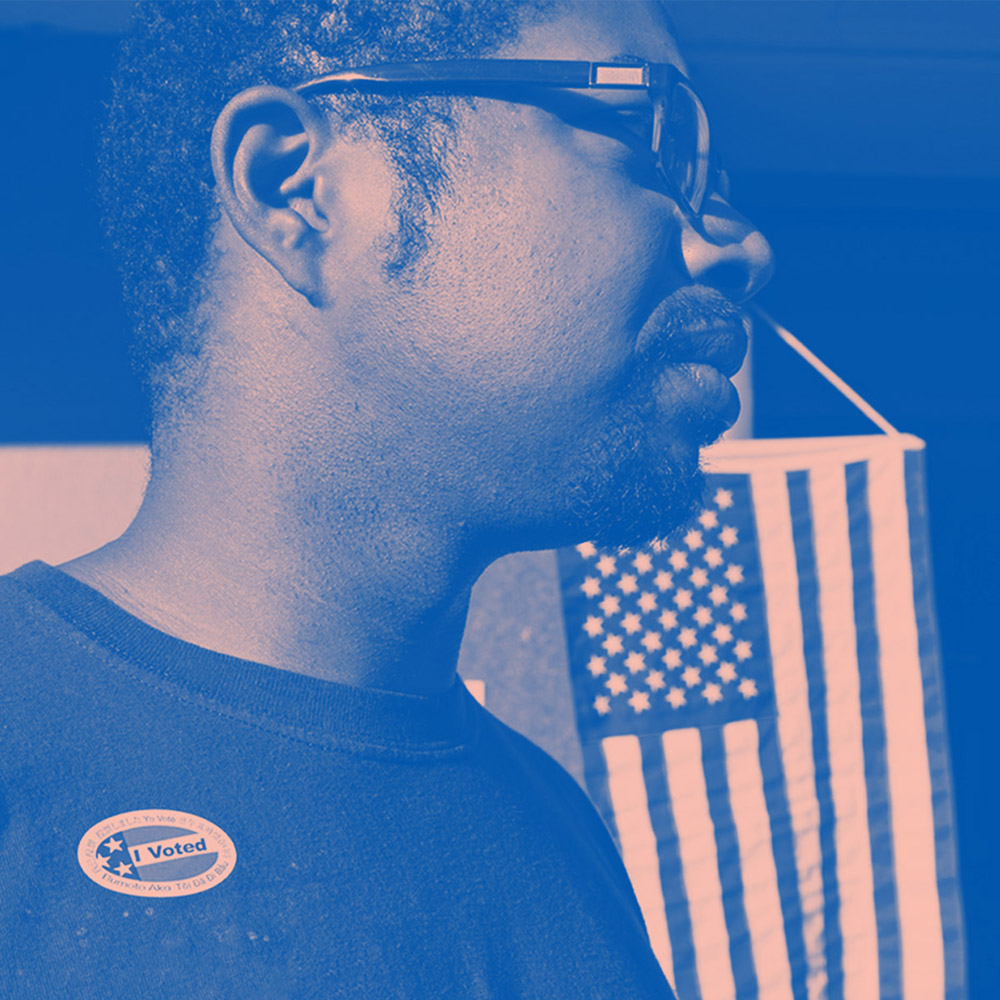
Voting Rights
Voting is the cornerstone of our democracy and the fundamental right upon which all our civil liberties rest. The ACLU works to protect and expand Americansʼ freedom to vote.
What you need to know
The Latest



Explore More
What We're Focused On
-

Fighting Voter Suppression
The ACLU works in courts, legislatures, and communities to defend and preserve the individual rights and liberties that the Constitution and the laws of the United States guarantee everyone in this country.
-
Gerrymandering
The ACLU works in courts, legislatures, and communities to defend and preserve the individual rights and liberties that the Constitution and the laws of the United States guarantee everyone in this country.
-
Promoting Access to the Ballot
The ACLU works in courts, legislatures, and communities to defend and preserve the individual rights and liberties that the Constitution and the laws of the United States guarantee everyone in this country.
-
The Voting Rights Act
The ACLU works in courts, legislatures, and communities to defend and preserve the individual rights and liberties that the Constitution and the laws of the United States guarantee everyone in this country.
-
Voter Restoration
The ACLU works in courts, legislatures, and communities to defend and preserve the individual rights and liberties that the Constitution and the laws of the United States guarantee everyone in this country.
What's at Stake
The fight for voting rights remains as critical as ever. Politicians across the country continue to engage in voter suppression, efforts that include additional obstacles to registration, and large-scale dilution of minority voters’ rights. Through litigation and advocacy, the ACLU is fighting back against attempts to curtail the vital right that is preservative of all others, the right to vote.
More about the Voting Rights Project
The fight for voting rights remains as critical as ever. Politicians across the country continue to engage in voter suppression, efforts that include additional obstacles to registration, and large-scale dilution of minority voters’ rights. Through litigation and advocacy, the ACLU is fighting back against attempts to curtail the vital right that is preservative of all others, the right to vote.
More about the Voting Rights Project