Transgender Rights
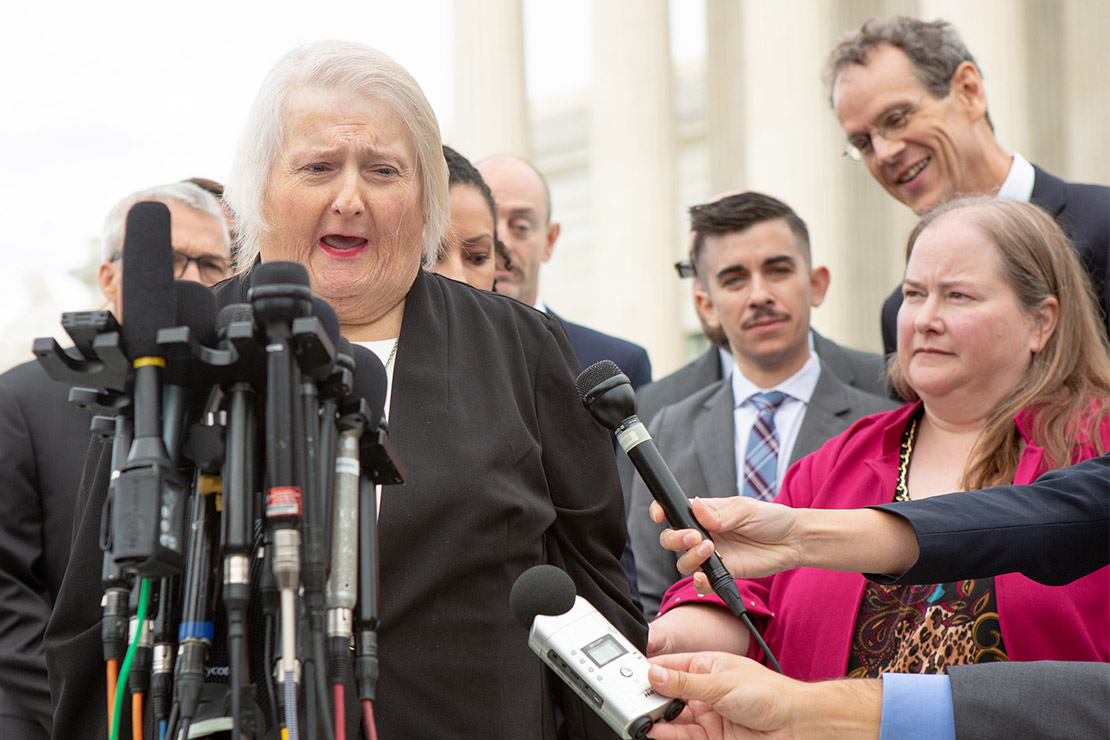
R.G. & G.R. Harris Funeral Homes v EEOC & Aimee Stephens
Aimee Stephens had worked for nearly six years as a funeral director at R.G. and G.R. Harris Funeral Homes when she informed the funeral home’s owner that she is a transgender woman. She was fired, the EEOC sued on her behalf, and the Sixth Circuit Court of Appeals ruled that Aimee’s employer engaged in unlawful sex discrimination when it fired her because she’s transgender. We represented Aimee Stephens in front of the U.S. Supreme Court — and won.
Status: Closed (Judgment)
View Case
Learn About Transgender Rights
All Cases
66 Transgender Rights Cases
New York
Sep 2026
Transgender Rights
Coe v. Blanche
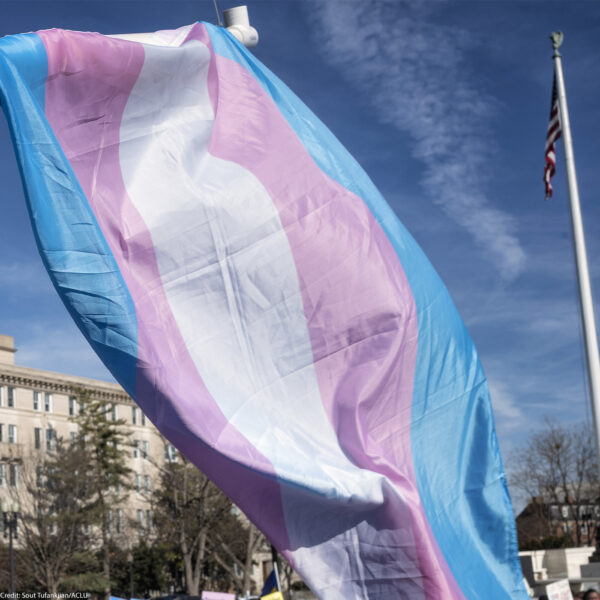
Three New York families with adolescent transgender children and two transgender New Yorkers filed a class action lawsuit to protect patient identifying and sensitive health information from being turned over to the Department of Justice in response to federal grand jury subpoenas issued as part of a widespread effort to "end” necessary health care for transgender adolescents.
Explore case
New York
Sep 2026
Transgender Rights
Coe v. Blanche
Three New York families with adolescent transgender children and two transgender New Yorkers filed a class action lawsuit to protect patient identifying and sensitive health information from being turned over to the Department of Justice in response to federal grand jury subpoenas issued as part of a widespread effort to "end” necessary health care for transgender adolescents.
Court Case
Sep 2026
Transgender Rights
Jackson-Edney v. Labrador
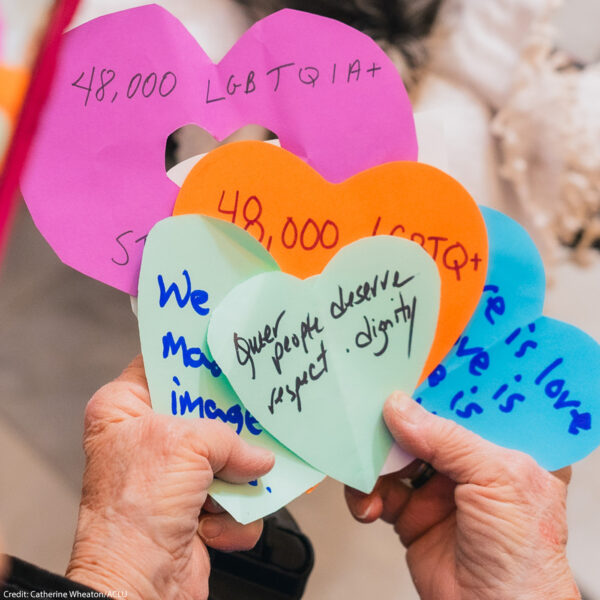
Six transgender residents of Idaho filed a lawsuit in federal court challenging HB 752, a 2026 state law that criminalizes their use of sex-designated public restrooms consistent with their gender identity.
Explore case
Court Case
Sep 2026
Transgender Rights
Jackson-Edney v. Labrador
Six transgender residents of Idaho filed a lawsuit in federal court challenging HB 752, a 2026 state law that criminalizes their use of sex-designated public restrooms consistent with their gender identity.

Oklahoma
Aug 2026
Transgender Rights
Bridge v. Oklahoma State Department of Education
Thousands of school districts across the country operate with nondiscrimination policies inclusive of their transgender students, including the legal right for these students to access facilities (bathrooms, locker rooms, etc.) consistent with their gender identity. These policies help protect transgender students from harassment, being isolated from their peers, and thrive in a learning environment that believes in their fundamental rights.
Explore case
Oklahoma
Aug 2026
Transgender Rights
Bridge v. Oklahoma State Department of Education
Thousands of school districts across the country operate with nondiscrimination policies inclusive of their transgender students, including the legal right for these students to access facilities (bathrooms, locker rooms, etc.) consistent with their gender identity. These policies help protect transgender students from harassment, being isolated from their peers, and thrive in a learning environment that believes in their fundamental rights.

U.S. Supreme Court
Aug 2026
Transgender Rights
West Virginia v. B.P.J.
Becky is a student in West Virginia who is starting high school. Three years ago, as Becky was preparing to begin middle school, West Virginia passed a law categorically banning transgender girls from participating in all school sports. Becky loves being part of a team and wanted to be able to participate in cross-country and track and field with her friends. She sued, arguing that West Virginia's law violated the Constitution and Title IX as applied to her, especially because she has received medication from the onset of puberty and has never experienced any physiological changes associated with puberty for boys. As a result of an injunction issued by the lower courts, she has been able to participate in middle school cross-country and track and field for the past three years. Becky and her mother are represented by the ACLU, the ACLU of West Virginia, Lambda Legal and Cooley LLP.
Explore case
U.S. Supreme Court
Aug 2026
Transgender Rights
West Virginia v. B.P.J.
Becky is a student in West Virginia who is starting high school. Three years ago, as Becky was preparing to begin middle school, West Virginia passed a law categorically banning transgender girls from participating in all school sports. Becky loves being part of a team and wanted to be able to participate in cross-country and track and field with her friends. She sued, arguing that West Virginia's law violated the Constitution and Title IX as applied to her, especially because she has received medication from the onset of puberty and has never experienced any physiological changes associated with puberty for boys. As a result of an injunction issued by the lower courts, she has been able to participate in middle school cross-country and track and field for the past three years. Becky and her mother are represented by the ACLU, the ACLU of West Virginia, Lambda Legal and Cooley LLP.
Court Case
Aug 2026
Transgender Rights
Hammons v. UMMS
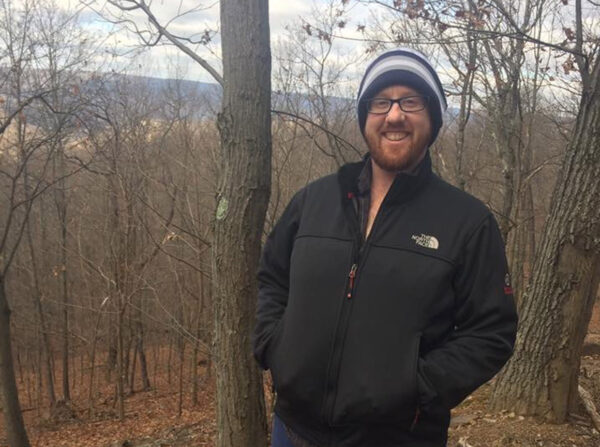
Jesse Hammons was denied a commonly performed medical procedure at the University of Maryland St. Joseph Medical Center because he is transgender. The taxpayer-owned hospital claims that providing Hammons with medical care would be a violation of their religious beliefs.
Explore case
Court Case
Aug 2026
Transgender Rights
Hammons v. UMMS
Jesse Hammons was denied a commonly performed medical procedure at the University of Maryland St. Joseph Medical Center because he is transgender. The taxpayer-owned hospital claims that providing Hammons with medical care would be a violation of their religious beliefs.