North Carolina
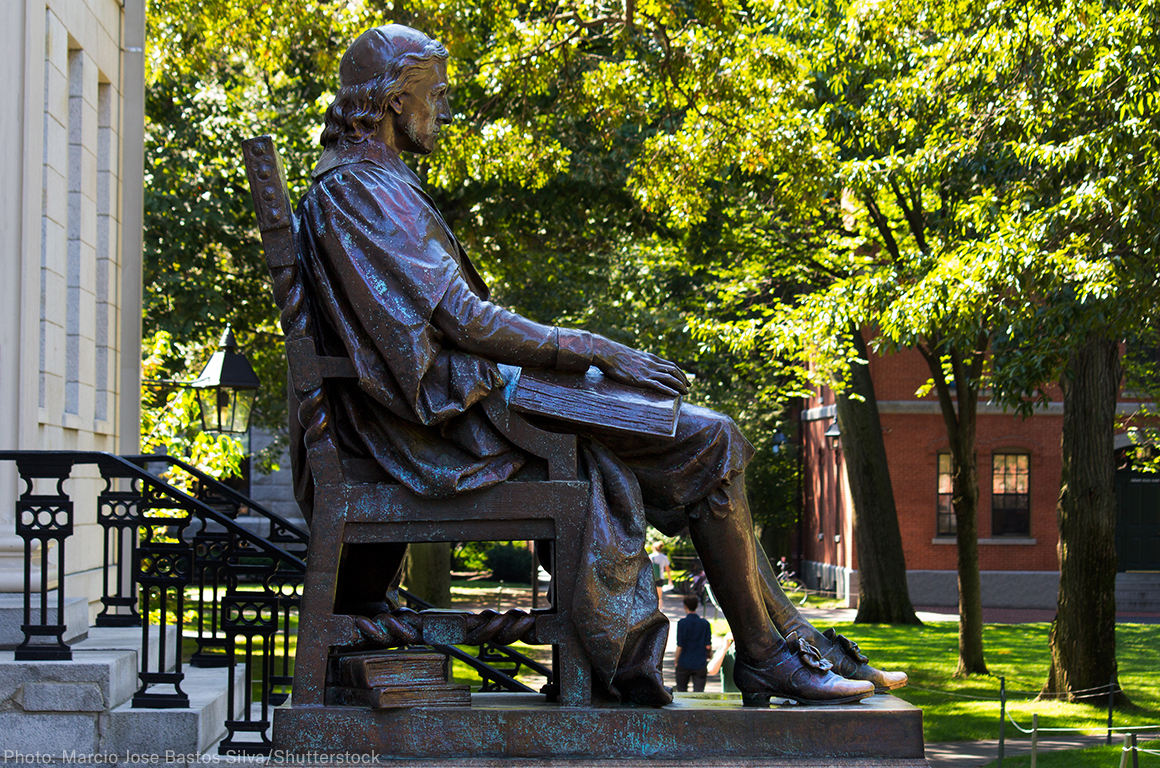
Students for Fair Admissions v. Harvard; Students for Fair Admissions v. UNC
This lawsuit contends that the consideration of race as an affirmative action measure in admissions at Harvard and at UNC constitutes racial discrimination in violation of the Equal Protection Clause.
Status: Closed (Judgment)
View Case
Visit ACLU of North Carolina
All Cases
24 North Carolina Cases
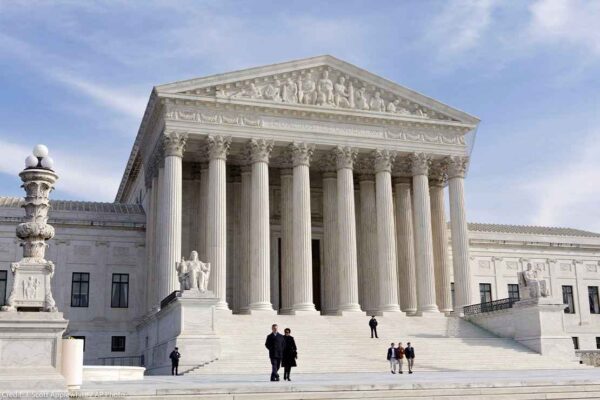
U.S. Supreme Court
Nov 2022
Voting Rights
Moore v. Harper (Amicus)
Can state legislatures draw gerrymandered districts and make other rules for federal elections without any check from state courts applying the rules of their own state constitutions?
Explore case
U.S. Supreme Court
Nov 2022
Voting Rights
Moore v. Harper (Amicus)
Can state legislatures draw gerrymandered districts and make other rules for federal elections without any check from state courts applying the rules of their own state constitutions?
North Carolina
Mar 2022
Criminal Law Reform
Racial Justice
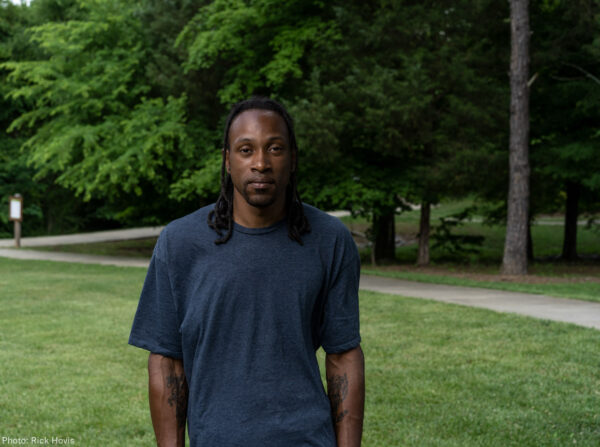
Johnson v. Jessup
The American Civil Liberties Union (ACLU), ACLU of North Carolina, Southern Poverty Law Center (SPLC), and Southern Coalition for Social Justice are suing the North Carolina Division of Motor Vehicles (DMV) for indefinitely revoking driver’s licenses of people who cannot afford to pay traffic tickets. North Carolina’s wealth-based license revocation system impacts hundreds of thousands of people each year, preventing them from driving legally to support themselves and their families. This system funnels people unable to pay traffic tickets, particularly people of color, into cycles of debt, traffic violations, and poverty in violation of the Fourteenth Amendment’s promises of due process and equal protection under the law.
Explore case
North Carolina
Mar 2022
Criminal Law Reform
Racial Justice
Johnson v. Jessup
The American Civil Liberties Union (ACLU), ACLU of North Carolina, Southern Poverty Law Center (SPLC), and Southern Coalition for Social Justice are suing the North Carolina Division of Motor Vehicles (DMV) for indefinitely revoking driver’s licenses of people who cannot afford to pay traffic tickets. North Carolina’s wealth-based license revocation system impacts hundreds of thousands of people each year, preventing them from driving legally to support themselves and their families. This system funnels people unable to pay traffic tickets, particularly people of color, into cycles of debt, traffic violations, and poverty in violation of the Fourteenth Amendment’s promises of due process and equal protection under the law.

U.S. Supreme Court
Aug 2021
Women's Rights
Peltier v. Charter Day School
This case involves a public charter school in North Carolina that requires girls to wear skirts to receive their state-guaranteed and state-provided education, based on the belief that every girl is “a fragile vessel” and that girls wearing skirts would promote “chivalry.”
Explore case
U.S. Supreme Court
Aug 2021
Women's Rights
Peltier v. Charter Day School
This case involves a public charter school in North Carolina that requires girls to wear skirts to receive their state-guaranteed and state-provided education, based on the belief that every girl is “a fragile vessel” and that girls wearing skirts would promote “chivalry.”

North Carolina
May 2021
LGBTQ Rights
Carcaño, et al. v. Cooper, et al
Filed by the ACLU and the ACLU of North Carolina along with Lambda Legal, this lawsuit challenges a sweeping North Carolina law, House Bill 2 , which bans transgender people from accessing restrooms and other facilities consistent with their gender identity and blocks local governments from protecting lesbian, gay, bisexual, and transgender (“LGBT”) people against discrimination in a wide variety of settings., and its replacement law, HB 142, which left many of the harms caused by HB 2 in place.
Explore case
North Carolina
May 2021
LGBTQ Rights
Carcaño, et al. v. Cooper, et al
Filed by the ACLU and the ACLU of North Carolina along with Lambda Legal, this lawsuit challenges a sweeping North Carolina law, House Bill 2 , which bans transgender people from accessing restrooms and other facilities consistent with their gender identity and blocks local governments from protecting lesbian, gay, bisexual, and transgender (“LGBT”) people against discrimination in a wide variety of settings., and its replacement law, HB 142, which left many of the harms caused by HB 2 in place.