Immigrants' Rights
The fundamental constitutional protections of due process and equal protection embodied in our Constitution and Bill of Rights apply to every person, regardless of immigration status.

What you need to know
FAQ

The Latest
-
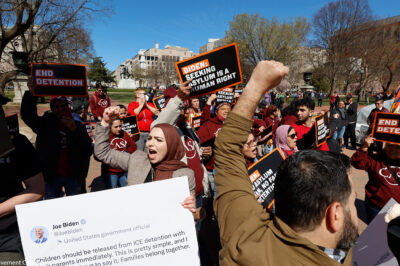
Showing Up to Protect the Right to Seek Asylum
-


ACLU, Florence Project File Lawsuit Challenging Unconstitutional State Deportation Scheme in Arizona’s Proposition 314
-


Florence Immigrant & Refugee Rights Project v. Mayes
-
Federal Appeals Court Rejects ICE’s Policy of Mandatory Detention Without Bond, Orders Release of Longtime U.S. Resident
Explore More
What We're Focused On
-

Border Humanity Project
People fleeing persecution and violence have the legal and human right to seek asylum in the United States. Our nation is made stronger when we welcome people with compassion and dignity. Together, we can end the horrors of immigration detention and rebuild a better asylum system.
-
Border Humanity Project - Español
Las personas que huyen de la persecución y la violencia tienen el derecho legal y humano de buscar asilo en los Estados Unidos. Deben ser tratadas con compasión y dignidad. Juntos, podemos poner fin a los horrores de la detención de inmigrantes y reconstruir un mejor sistema de asilo.
-

Deportation and Due Process
The ACLU works in courts, legislatures, and communities to defend and preserve the individual rights and liberties that the Constitution and the laws of the United States guarantee everyone in this country.
-
ICE and Border Patrol Abuses
The ACLU works in courts, legislatures, and communities to defend and preserve the individual rights and liberties that the Constitution and the laws of the United States guarantee everyone in this country.
-
Immigrants' Rights and Detention
The ACLU works in courts, legislatures, and communities to defend and preserve the individual rights and liberties that the Constitution and the laws of the United States guarantee everyone in this country.
-
Road to Citizenship
The ACLU works in courts, legislatures, and communities to defend and preserve the individual rights and liberties that the Constitution and the laws of the United States guarantee everyone in this country.
-
State and Local Immigration Laws
The ACLU works in courts, legislatures, and communities to defend and preserve the individual rights and liberties that the Constitution and the laws of the United States guarantee everyone in this country.
What's at Stake
When the government has the power to deny legal rights and due process to one vulnerable group, everyone’s rights are at risk. The ACLU Immigrants’ Rights Project is dedicated to expanding and enforcing the civil liberties and civil rights of immigrants and to combating public and private discrimination against them.
Using targeted impact litigation, advocacy, and public outreach, the ACLU protects the rights and liberties of immigrants. For more than 25 years, the ACLU has been at the forefront of almost every major legal struggle on behalf of immigrants’ rights, focusing on challenging laws that deny immigrants access to the courts, impose indefinite and mandatory detention, and discriminate on the basis of nationality. In addition, we have challenged constitutional abuses that arise from immigration enforcement at the federal, state, and local levels, including anti-immigrant “show me your papers” laws at the state level and unconstitutional enforcement tactics by the federal government and local agencies.
When the government has the power to deny legal rights and due process to one vulnerable group, everyone’s rights are at risk. The ACLU Immigrants’ Rights Project is dedicated to expanding and enforcing the civil liberties and civil rights of immigrants and to combating public and private discrimination against them.
Using targeted impact litigation, advocacy, and public outreach, the ACLU protects the rights and liberties of immigrants. For more than 25 years, the ACLU has been at the forefront of almost every major legal struggle on behalf of immigrants’ rights, focusing on challenging laws that deny immigrants access to the courts, impose indefinite and mandatory detention, and discriminate on the basis of nationality. In addition, we have challenged constitutional abuses that arise from immigration enforcement at the federal, state, and local levels, including anti-immigrant “show me your papers” laws at the state level and unconstitutional enforcement tactics by the federal government and local agencies.