Reproductive Freedom
The ACLU works to ensure that every person can make the best decision for themselves and their family about whether and when to have a child without undue political interference.
What you need to know
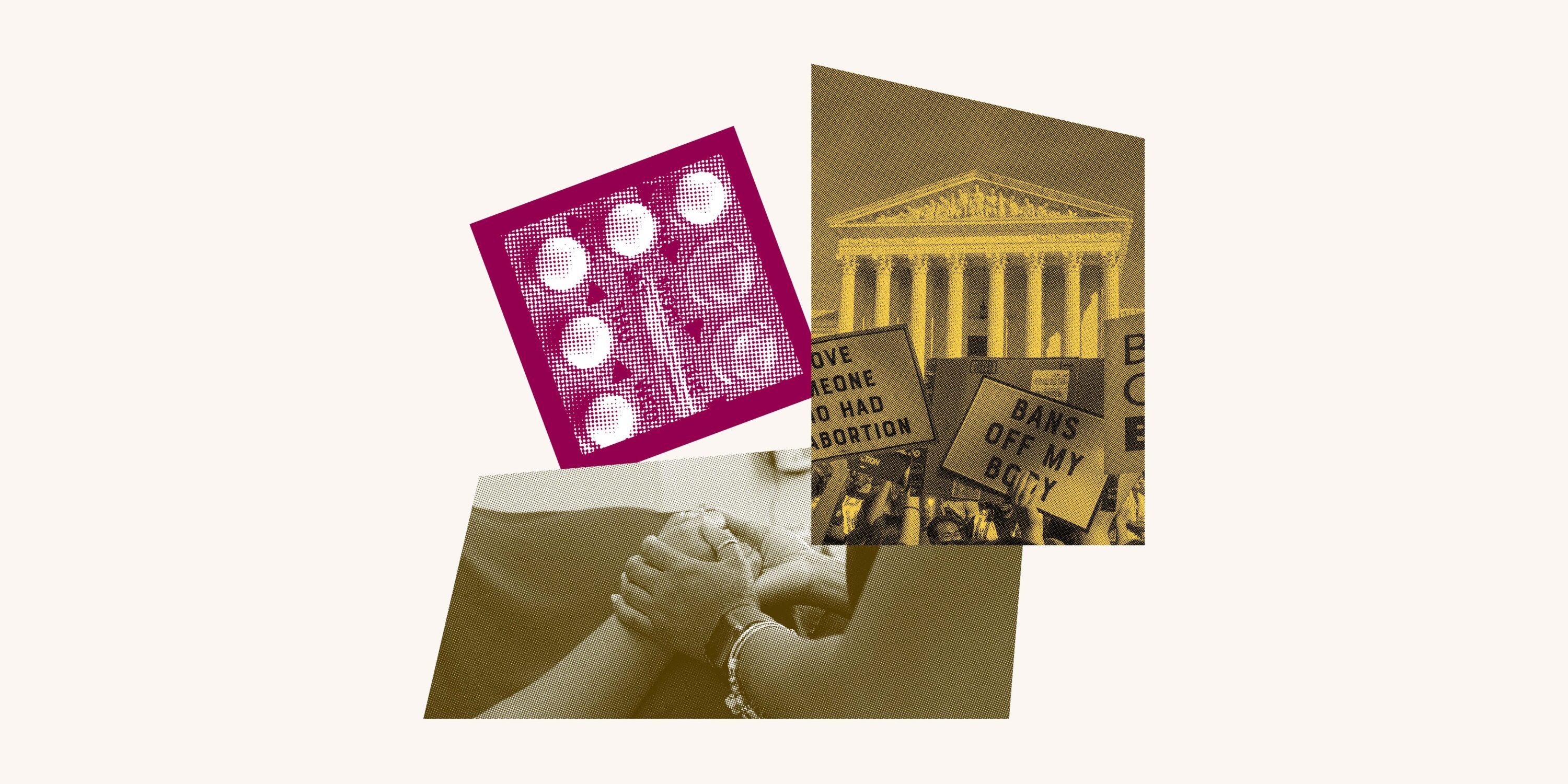
Sign our pledge to commit to being a defender of abortion rights, and to take further action.
The Latest
-

ACLU Statement on the 50th Anniversary of the Hyde Amendment, which Bans Abortion Coverage in Federal Programs
-
Federal Court Dismisses NFPRHA and FHCCP Lawsuit Challenging Trump Administration’s Attempt to Undermine Title X Family Planning Program
-
Federal Appeals Court Hears Baseless Challenge to the Abortion Pill Mifepristone — Again
-
In wide-ranging amicus briefs, experts again urge the Fifth Circuit to reject restrictions on telehealth access to mifepristone
Explore More
What We're Focused On
-

Abortion
The ACLU works in courts, legislatures, and communities to defend and preserve the individual rights and liberties that the Constitution and the laws of the United States guarantee everyone in this country.
-
Birth Control
The ACLU works in courts, legislatures, and communities to defend and preserve the individual rights and liberties that the Constitution and the laws of the United States guarantee everyone in this country.
-
Religion and Reproductive Rights
The ACLU works in courts, legislatures, and communities to defend and preserve the individual rights and liberties that the Constitution and the laws of the United States guarantee everyone in this country.
What's at Stake
A decision about having a baby or having an abortion is a deeply personal, private decision best left to a person, their family, and their doctor. Yet some politicians remain obsessed with interfering.
Abortion is one of the most common medical procedures performed today, and it’s incredibly safe. But laws that make it difficult if not impossible for a person to get an abortion if they need one, particularly if they are poor, are increasing at an alarming pace. Since 2011, states have enacted more restrictions to abortion than they did in the previous 10 years combined. Extremist politicians continue to work to shut down people’s health centers, cut off access to affordable birth control, and shame people who have abortions.
Through litigation, advocacy, and public education, we strive to ensure that every person has the opportunity to make a real decision and the ability to get the care they need. With your help, the ACLU stands ready to block efforts to take this decision away from people and their families.
Our work focuses on a range of issues, including protecting access to affordable contraception, protecting a person’s ability to make personal, private decisions about pregnancy and abortion, and fighting pregnancy discrimination.
A decision about having a baby or having an abortion is a deeply personal, private decision best left to a person, their family, and their doctor. Yet some politicians remain obsessed with interfering.
Abortion is one of the most common medical procedures performed today, and it’s incredibly safe. But laws that make it difficult if not impossible for a person to get an abortion if they need one, particularly if they are poor, are increasing at an alarming pace. Since 2011, states have enacted more restrictions to abortion than they did in the previous 10 years combined. Extremist politicians continue to work to shut down people’s health centers, cut off access to affordable birth control, and shame people who have abortions.
Through litigation, advocacy, and public education, we strive to ensure that every person has the opportunity to make a real decision and the ability to get the care they need. With your help, the ACLU stands ready to block efforts to take this decision away from people and their families.
Our work focuses on a range of issues, including protecting access to affordable contraception, protecting a person’s ability to make personal, private decisions about pregnancy and abortion, and fighting pregnancy discrimination.